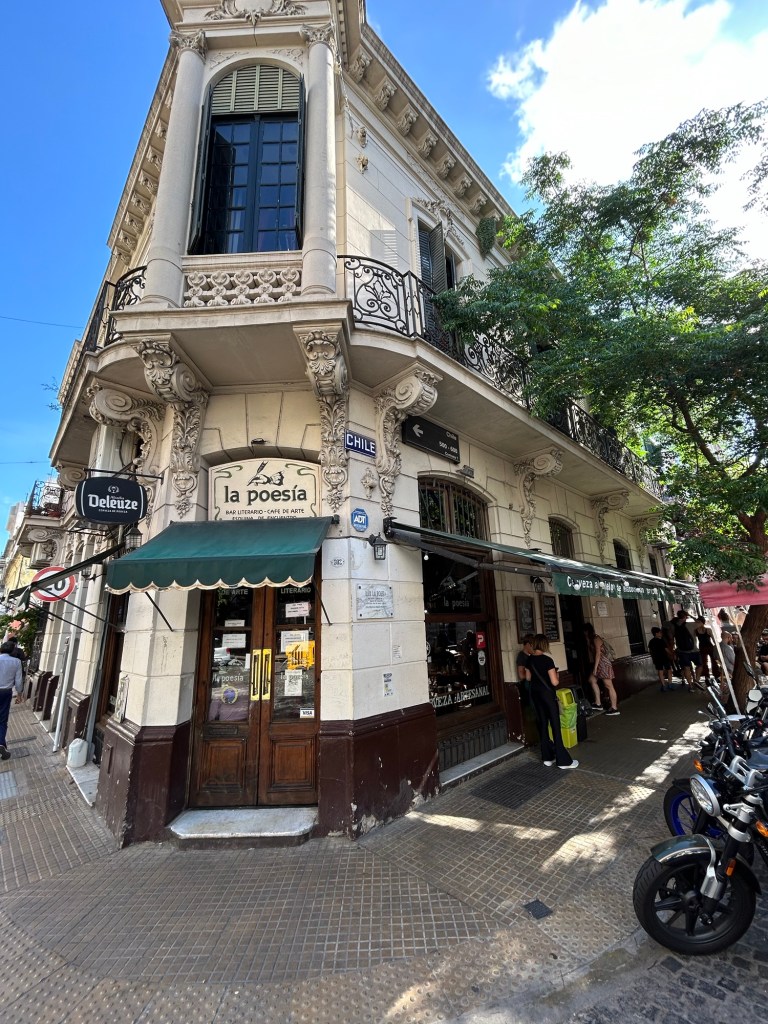
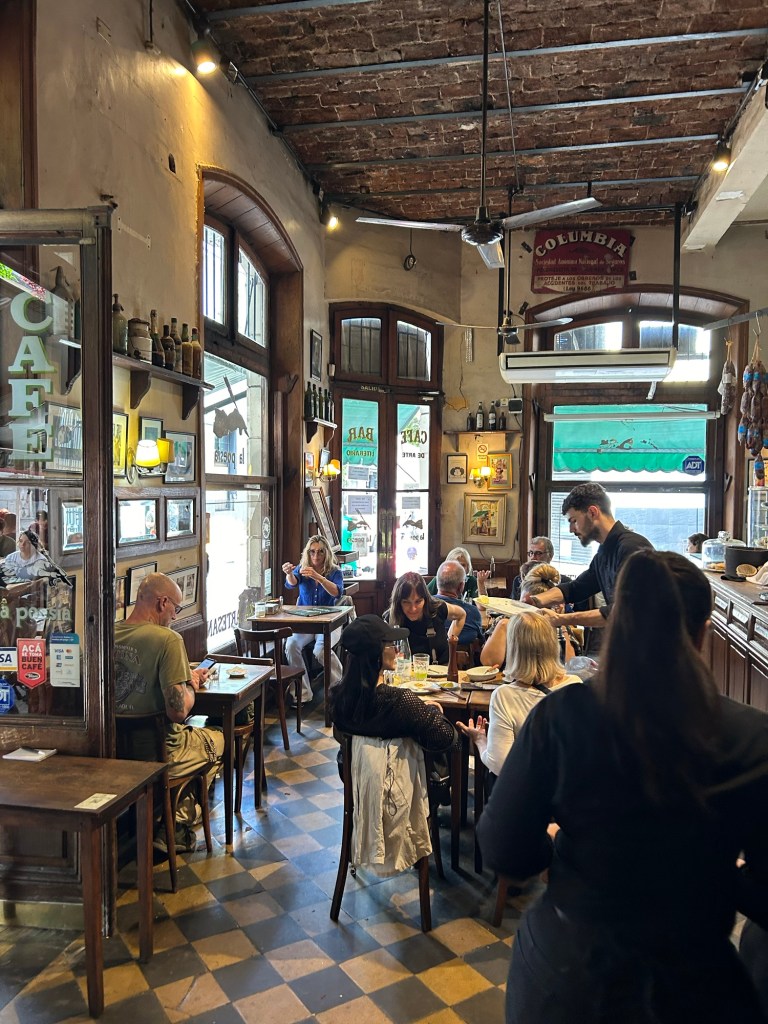
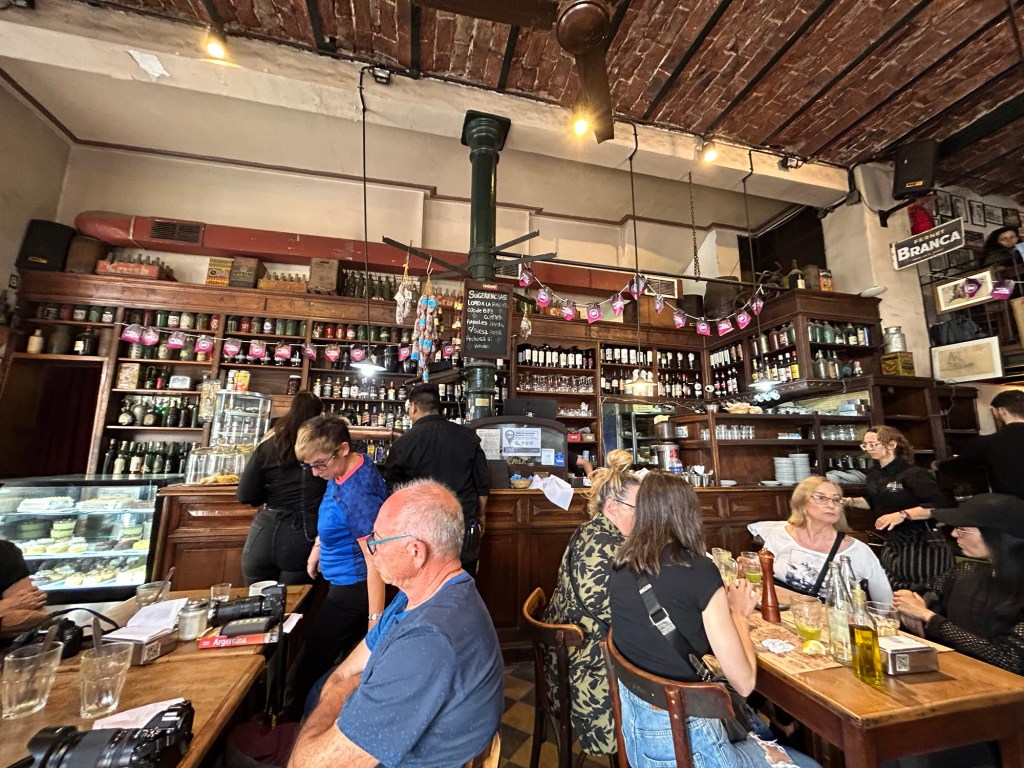
A una cuadra de la Feria de San Telmo, en la esquina de Bolivar y Chile se encuentra LA POESÍA, un bar y cafetería de los de antes, con todos los platos que caracterizan la ecléctica cocina argentina.
Cafetería además de distintos tipos de picadas, tablas, milanesas, guisos, pastas, ensaladas y omelettes, entre otros, son la oferta de este simpático punto de San Telmo.
Otro punto para no perderse en su visita a Buenos Aires.
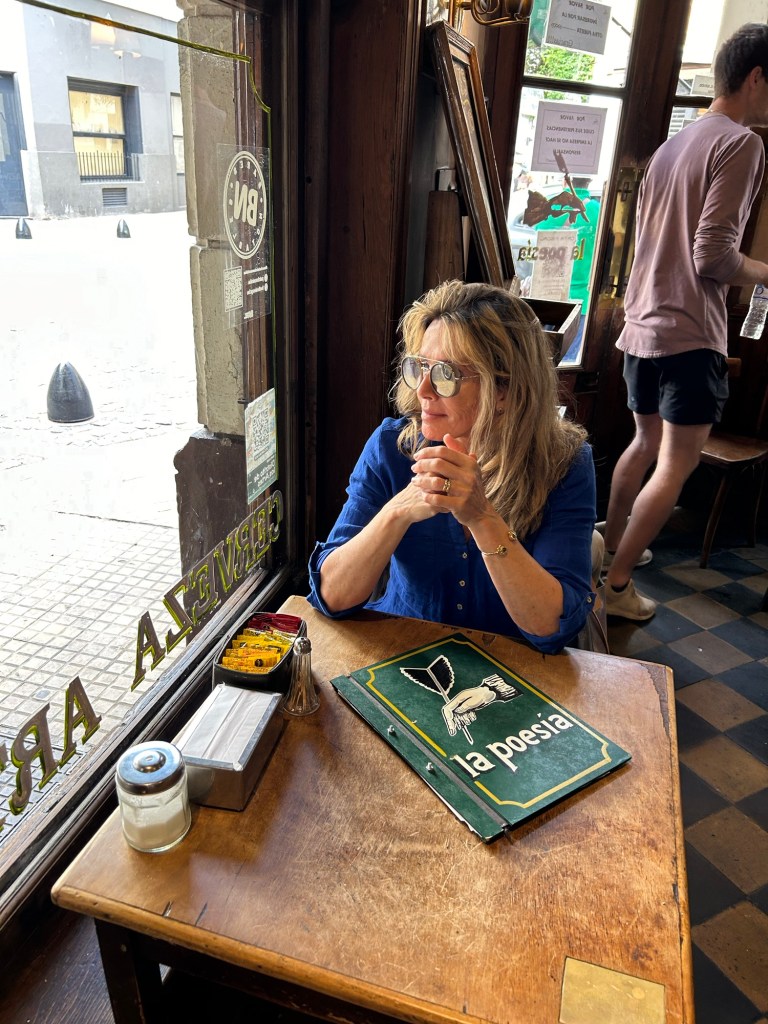
Bar LA POESÍA en San TelmoBar LA POESÍA en San TelmoMaria Gracia Inzaurraga en LA POESÍA en San Telmo
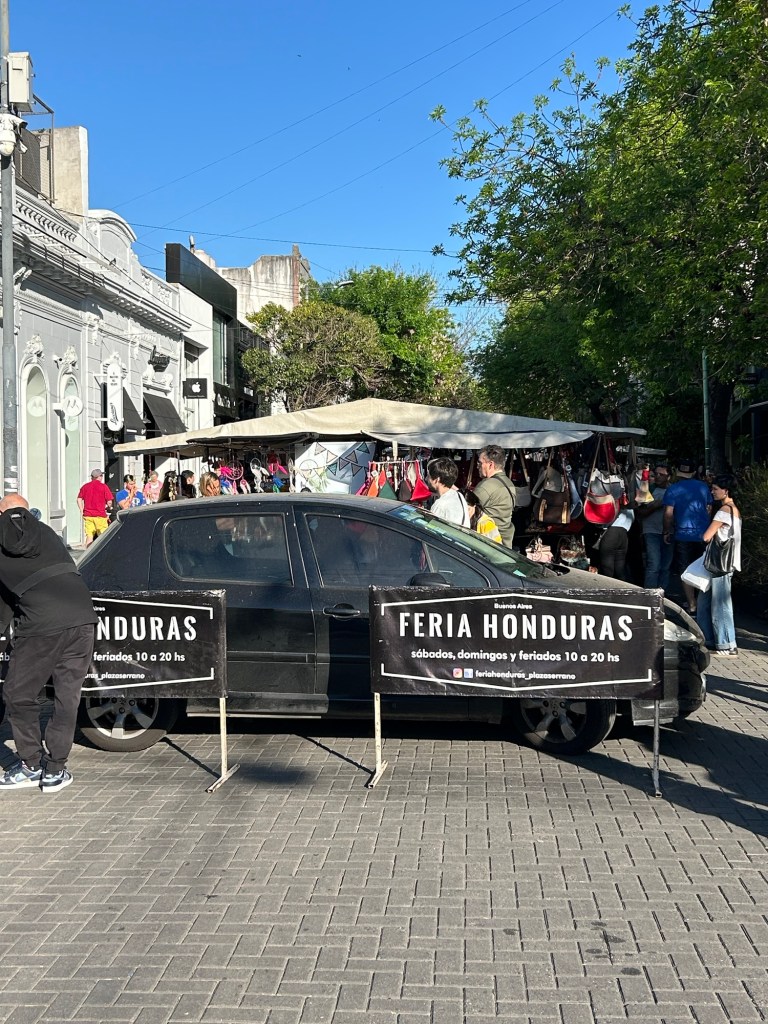
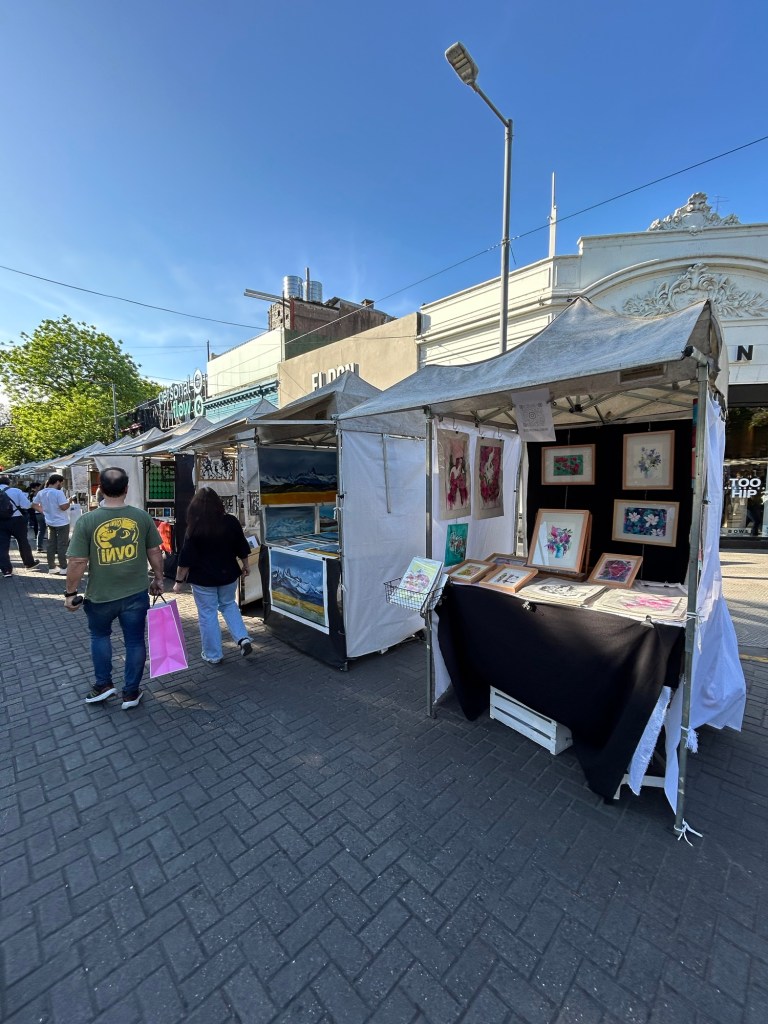
Una nueva actividad en Palermo es la Feria de la calle Honduras, en Palermo Soho, que comenzó a funcionar los sábados, domingos y feriados.
Este nuevo punto de encuentro en Palermo ofrece a los visitantes las creaciones de distintos artistas y artesanos además de números musicales callejeros de gran nivel.
Para los turistas y los locales esta feria es otro punto de encuentro que no debe dejar de visitarse.
Feria de Honduras – Foto María Gracia InzaurragaFeria de Honduras – Foto María Gracia Inzaurraga
“El diario muestra la inmensa tragedia del Holocausto, el desperdicio de vidas y talentos humanos, y el precio que hubo que pagar debido a que los pueblos libres no actuaron a tiempo para reprimir los grupos totalitarios.
Yahuda Lev
Centro Ana Frank en Buenos Aires – Foto María Gracia Inzaurraga
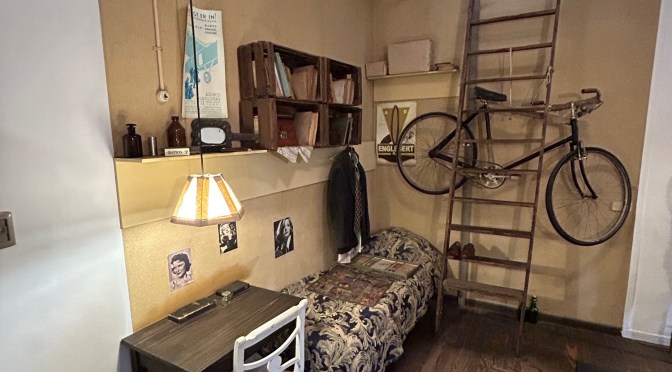
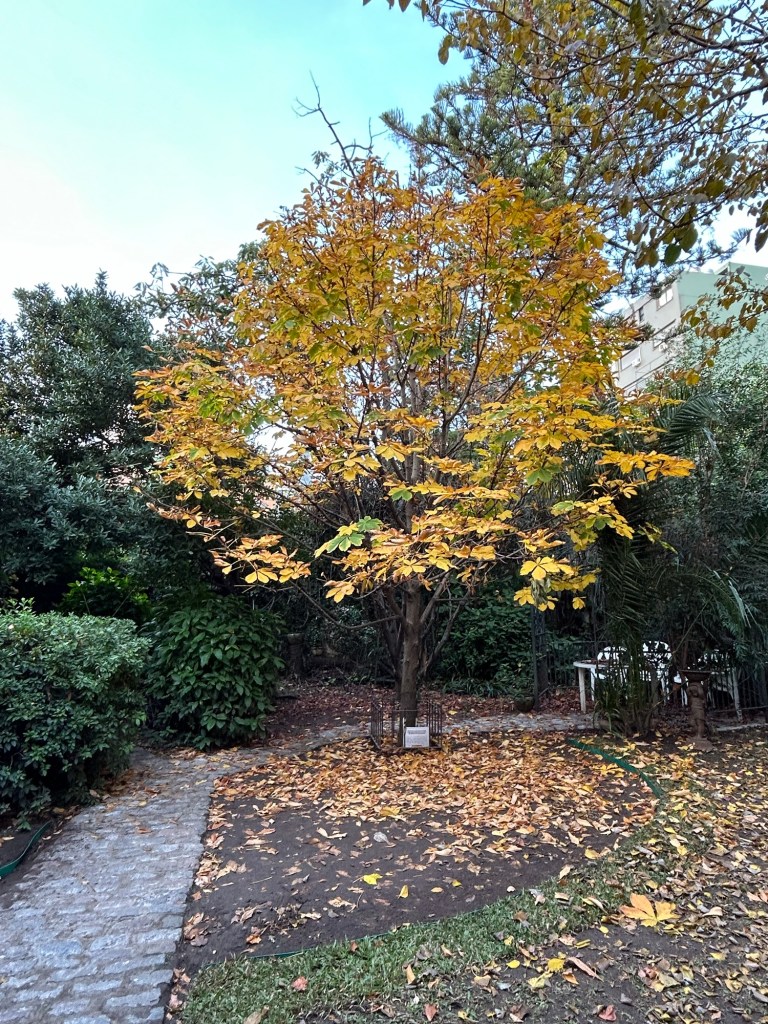
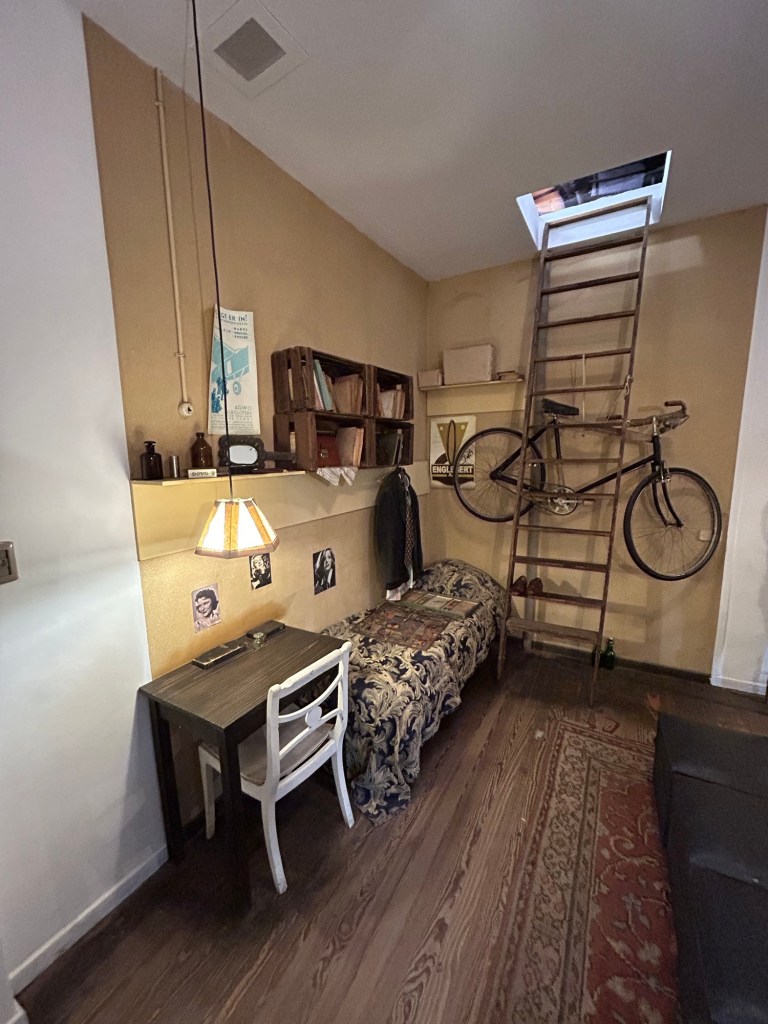
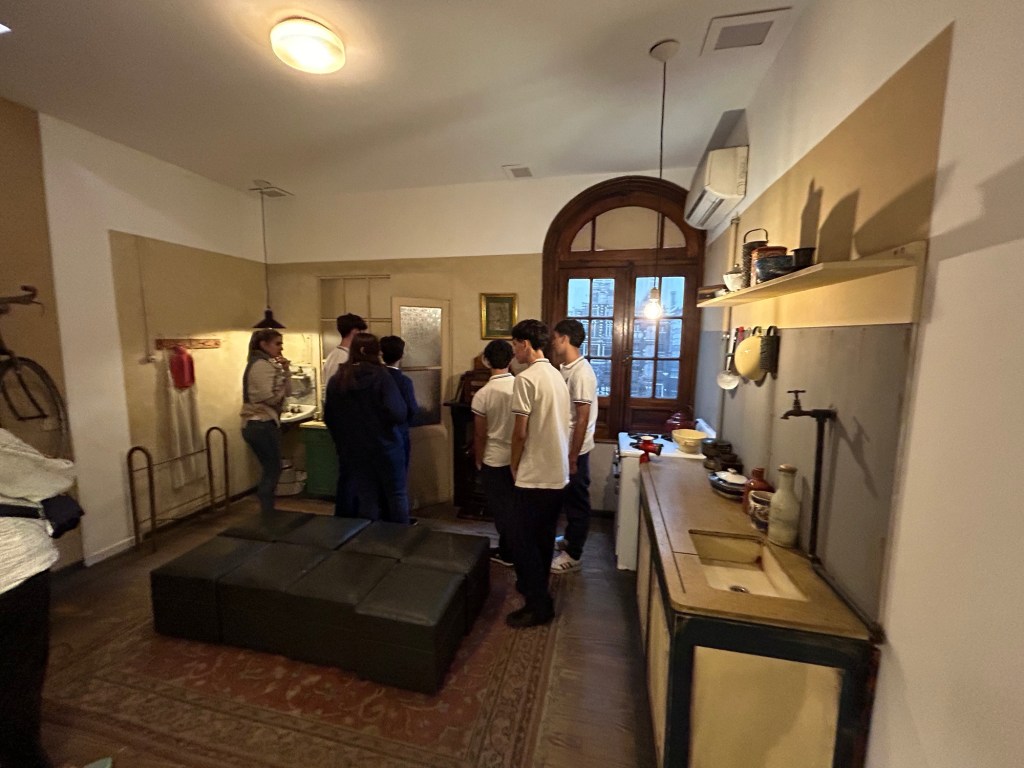
El número 263 de la calle Prinsengracht, es quizá la dirección más conocida en la historia de Àmsterdam, desde la ocupación nazi hasta hoy. Correspondía a la fábrica propiedad de Otto Frank y apodada “la casa de atrás” por el nexo secreto acondicionado para sus ocupantes. Con la persecución nazi, la casa fue el escondite secreto de Ana Frank, su familia y otras cuatro personas que durante dos años debieron compartir un espacio ínfimo y el mismo terror a ser descubiertos. A meses de terminar la guerra la suerte no los acompañó y fueron denunciados el 4 de agosto de 1944 y enviados a campos de concentración. Ana Frank contó su calvario en su ya famoso diario íntimo que luego de la guerra fue rescatado, devuelto a su padre y finalmente convertido en símbolo del Holocausto con 30 millones de ejemplares vendidos. Esta es una muestra emotiva y singular porque es guiada por chicos de la misma edad que tenía Ana como una forma de trasmitir y ponernos en la piel de Ana. Muy buena y muy emotiva.
Centro Ana Frank
Buenos Aires – Argentina
Superi 2647
Centro Ana Frank en Buenos Aires – Foto María Gracia Inzaurraga
ANA FRANK CENTER BUENOS AIRES
By María Gracia Inzaurraga
Anne Frank Center BA
“The diary shows the immense tragedy of the Holocaust, the waste of human lives and talents, and the price that had to be paid because free peoples did not act in time to repress totalitarian groups.”
Yahuda Lev Anne
Number 263 Prinsengracht Street is perhaps the best-known address in the history of Amsterdam, from the Nazi occupation until today.
It corresponded to the factory owned by Otto Frank and nicknamed “the back house” because of the secret nexus set up for its occupants.
With the Nazi persecution, the house was the secret hiding place of Anne Frank, her family and four other people who for two years had to share a tiny space and the same terror of being discovered.
Months after the end of the war, luck was not on their side and they were denounced on August 4, 1944 and sent to concentration camps.
Anne Frank recounted her ordeal in her now famous intimate diary, which after the war was rescued, returned to her father and finally became a symbol of the Holocaust with 30 million copies sold.
This is an emotional and unique exhibition because it is guided by children of the same age as Ana as a way of transmitting and putting ourselves in Ana’s shoes.
Very good and very emotional.
Anne Frank Center
Buenos Aires, Argentina
Superi 2647
Centro Ana Frank en Buenos Aires – Foto María Gracia Inzaurraga
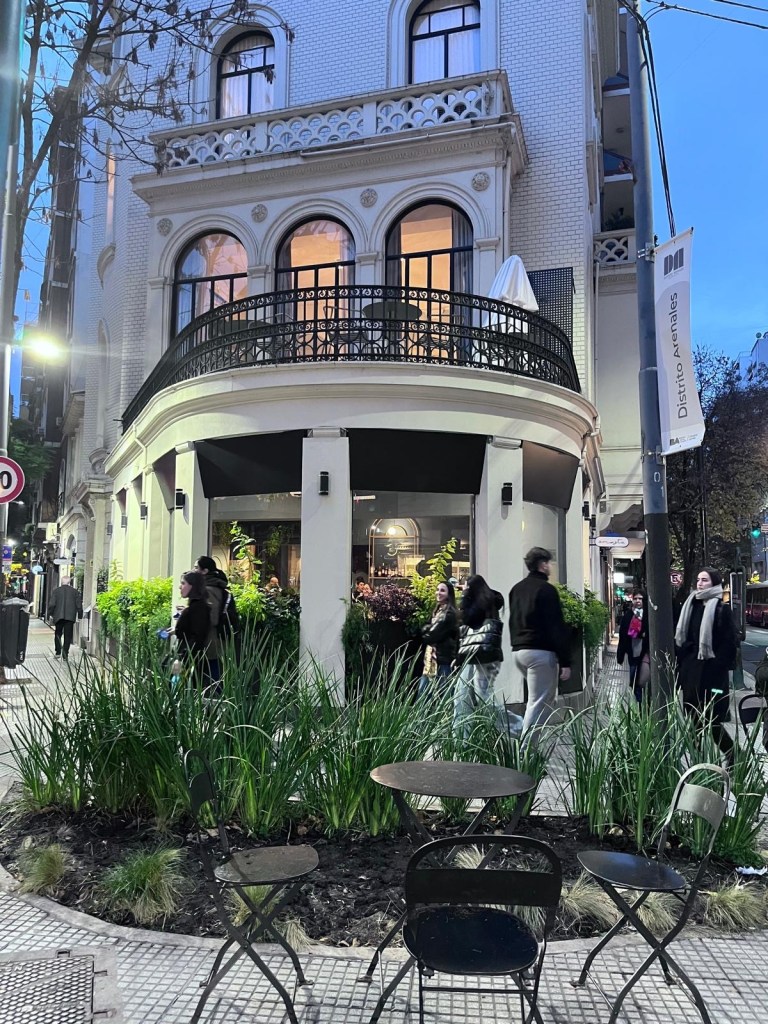
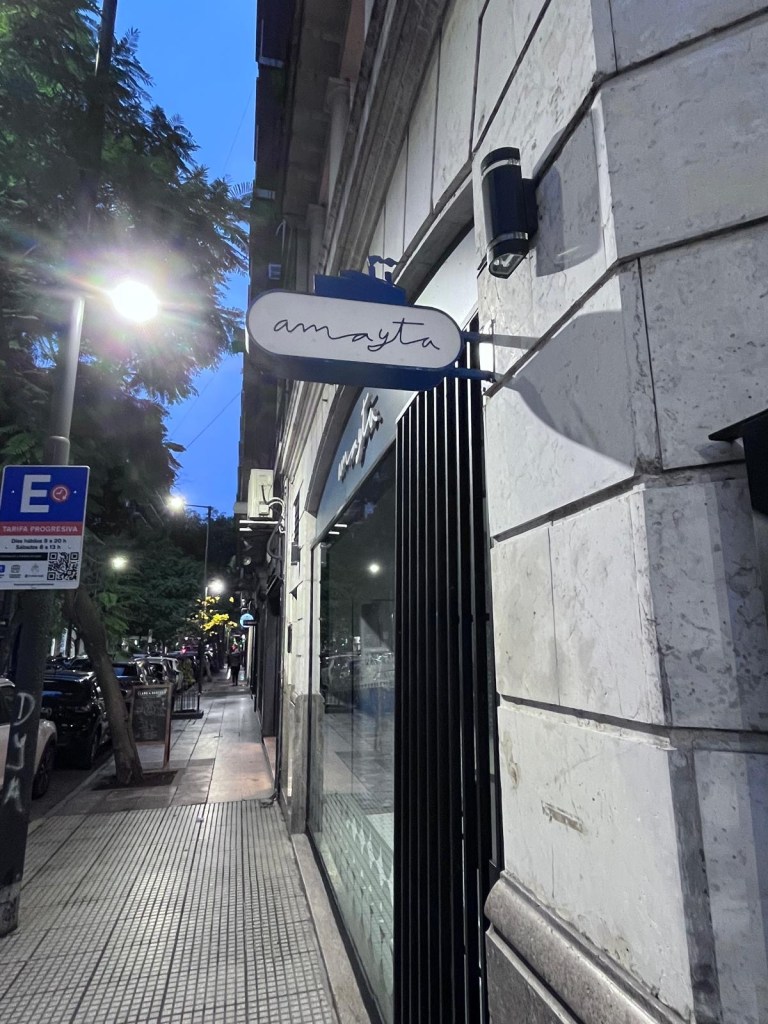
Darse una vuelta por la Recoleta es uno de las placeres que ofrece este barrio. No solo por la estética de su arquitectura de rincones fascinantes, molduras y frisos llenos de historia, sino por la oferta inigualable de cafecitos, y confiterías donde uno ni bien se acerca a ellos, puede reconocer ese olor de la panadería fina y rica. Así fue que caminando por la esquina de Quintana y Juncal descubrimos una nueva propuesta: “Amayta”, café-patisserie, ubicada en una casa de principio de siglo donde se mantuvieron los detalles arquitectónicos, como un plus para el lugar.
AMAYTA en Recoleta – Foto María Gracia Inzaurraga
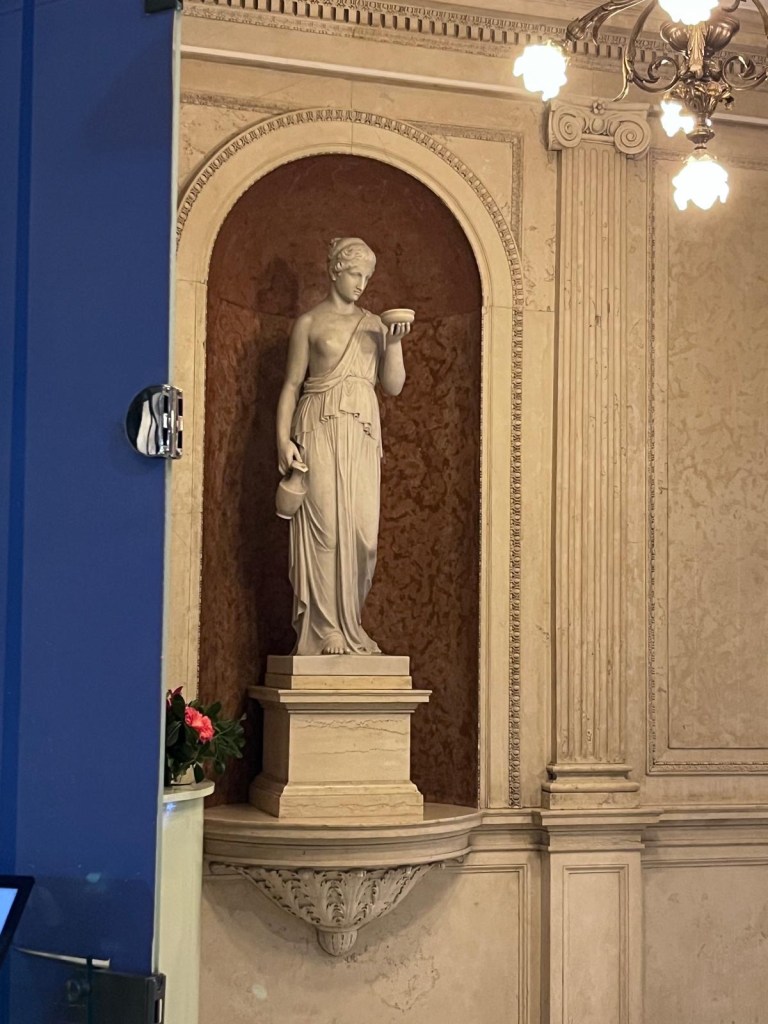
En la puerta una estatua clásica nos recibe y la música de fondo no molesta aunque hay mucha concurrencia. Se puede desayunar o tomar el té con cosas riquísimas: croissants, brioche sucreé, pain au chocolat, carrot cake y mini gateaux. Recomendamos su milhoja de manzana, un clásico de este lindo lugar.
Otra opción en la noche para cenar en este lugar que tiene todo el encanto para disfrutar de Buenos Aires.
AMAYTA en Recoleta – Foto María Gracia Inzaurraga
AMAYTA CAFÉ AND PATISSERIE IN RECOLETA
By María Gracia Inzaurraga.
Taking a walk through Recoleta is one of the pleasures that this neighborhood offers.
Not only because of the aesthetics of its architecture with fascinating corners, moldings and friezes full of history, but because of the unmatched offer of cafes and sweet shops where as soon as you approach them, you can recognize that smell of fine and delicious bakery. So it was that walking around the corner of Quintana and Juncal we discovered a new proposal: “Amayta”, a café-patisserie, located in a house from the beginning of the century where the architectural details were maintained, as a plus for the place.
At the door a classical statue welcomes us and the background music does not bother us although there is a lot of people.
You can have breakfast or have tea with delicious things: croissants, brioche sucreé, pain au chocolat, carrot cake and mini gateaux.
We recommend their apple millefeuille, a classic of this beautiful place.
Another option at night to dine in this place that has all the charm to enjoy Buenos Aires.
Maria Gracia Inzaurraga en Avenida Jorge Newbery – CHACARITA
Buenos Aires es un generador constante de nuevos polos gastronómicos, diversión, diseño, cultura y arte.
Al sur de Palermo Hollywood, cruzando la Avenida Córdoba por Dorrego o por la Avenida Jorge Newbery, encontramos la zona de CHACARITA, con varias cuadras de restaurantes, bares, tiendas de nuevos diseñadores, teatros under y galerías de arte que se entremezclan creando un nuevo concepto para un público cool o bohemio, similar al que caracteriza Palermo y que fuera destacado por el New York Times.
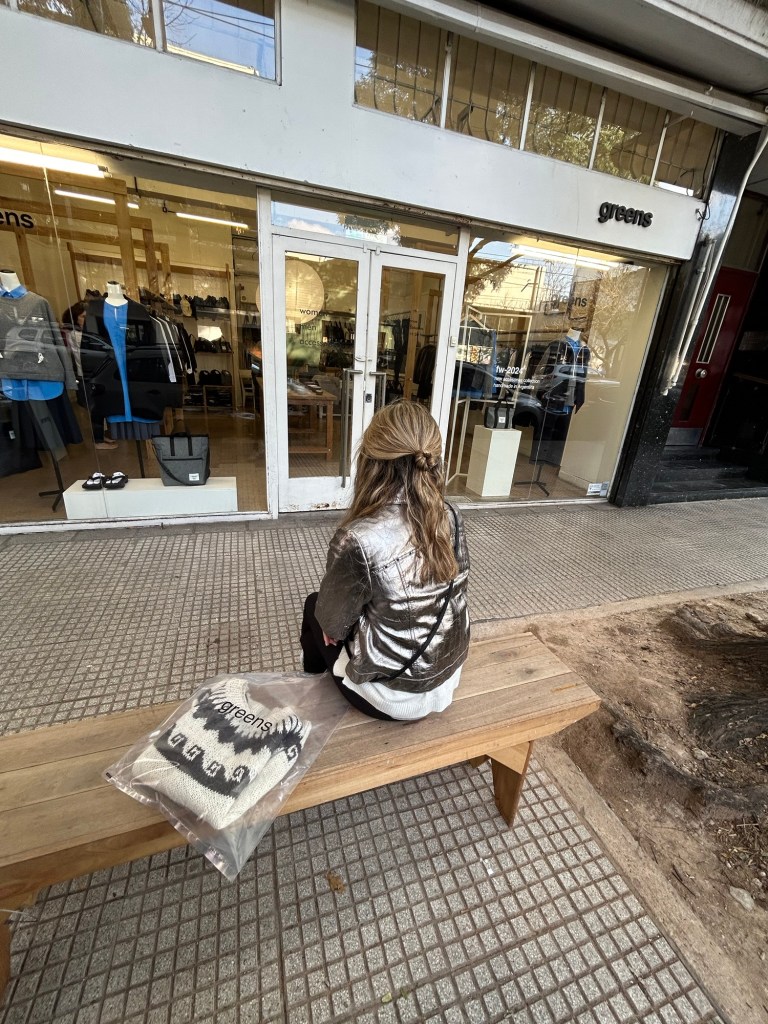
Greens en CHACARITA – Av Jorge Newbery
Todavía se pueden apreciar los detalles de una zona de Buenos Aires que todavía pocos conocen pero que rápidamente va imponiendo tendencia.
Otra zona de Buenos Aires que va agrandando Palermo y que permite seguir caminando sus calles en busca de ese lugar o prenda distinta y original.
CENTRAL NEWBERY – arte y cafetería en CHACARITA
CHACARITA: THE NEW GASTRONOMIC POLE, DESIGN AND ART
Maria Gracia Inzaurraga on Avenida Jorge Newbery – CHACARITA
Buenos Aires is a constant generator of new gastronomic poles, fun, design, culture and art.
To the south of Palermo Hollywood, crossing Córdoba Avenue through Dorrego or Jorge Newbery Avenue, we find the CHACARITA area, with several blocks of restaurants, bars, new designer stores, underground theaters and art galleries that intermingle creating a new concept for a cool or bohemian public, similar to the one that characterizes Palermo.
You can still see the details of an area of Buenos Aires that few people still know about but that is quickly establishing a trend.
Another area of Buenos Aires that Palermo is expanding and that allows you to continue walking its streets in search of that different and original place or item of clothing.
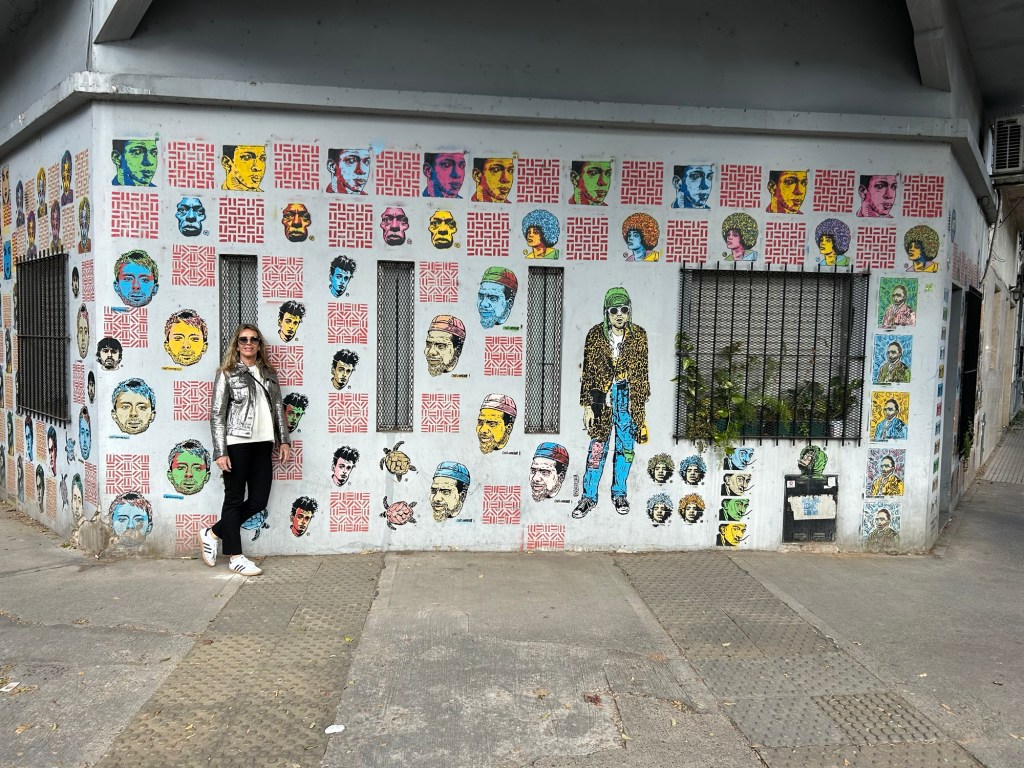
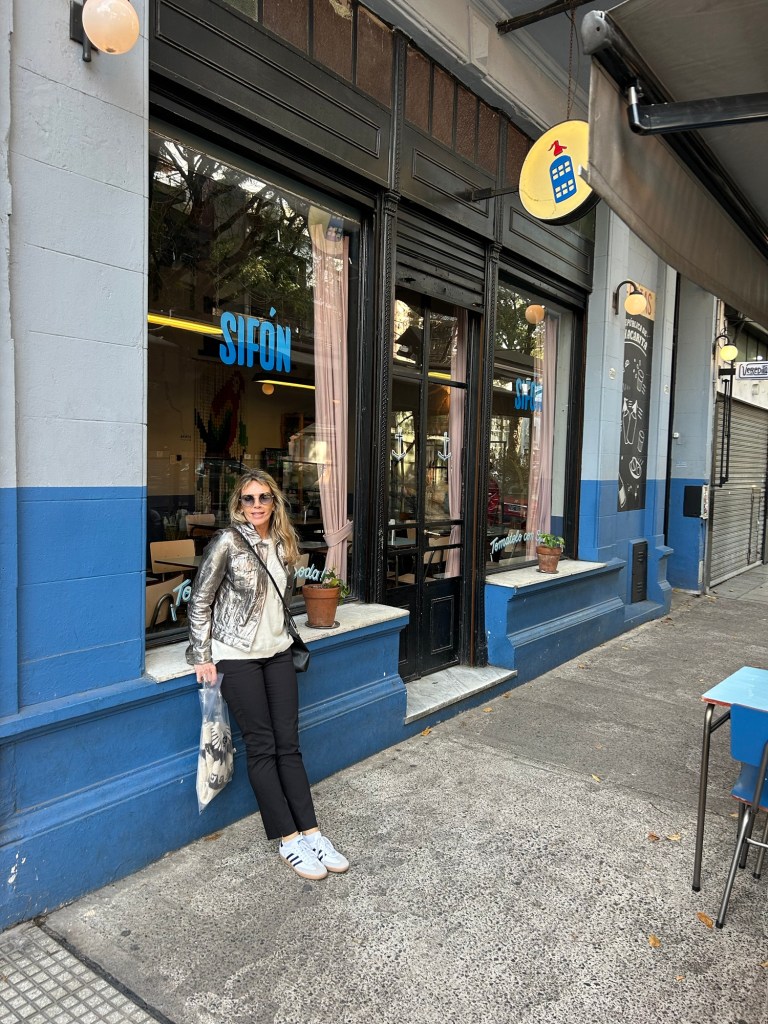
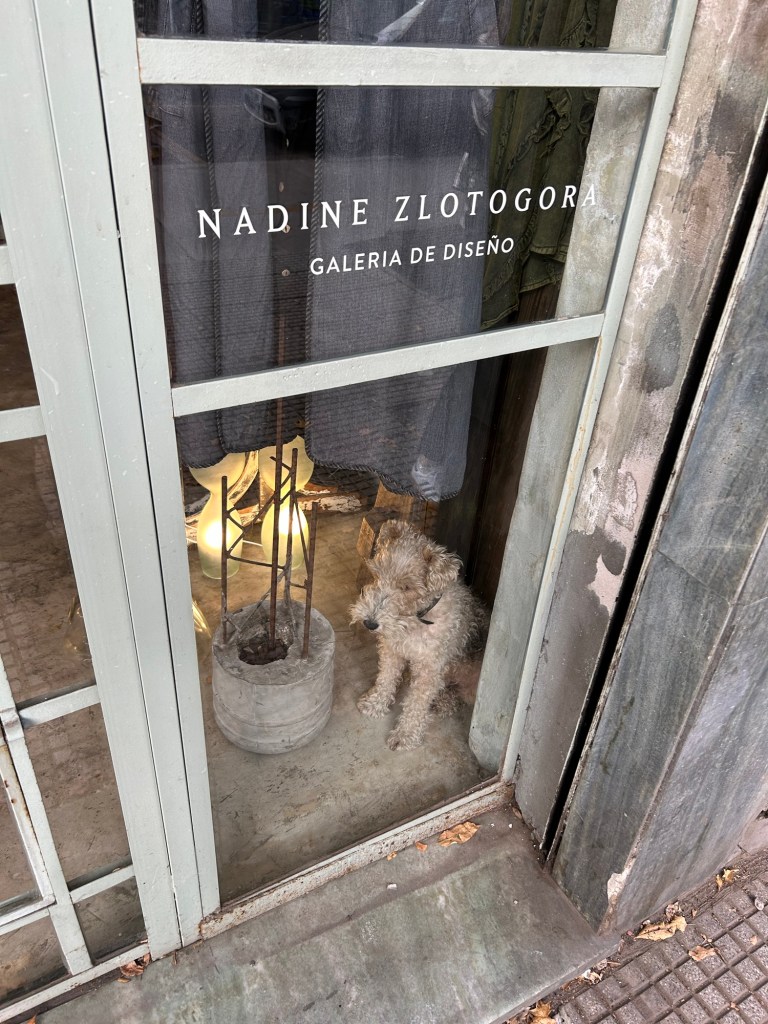
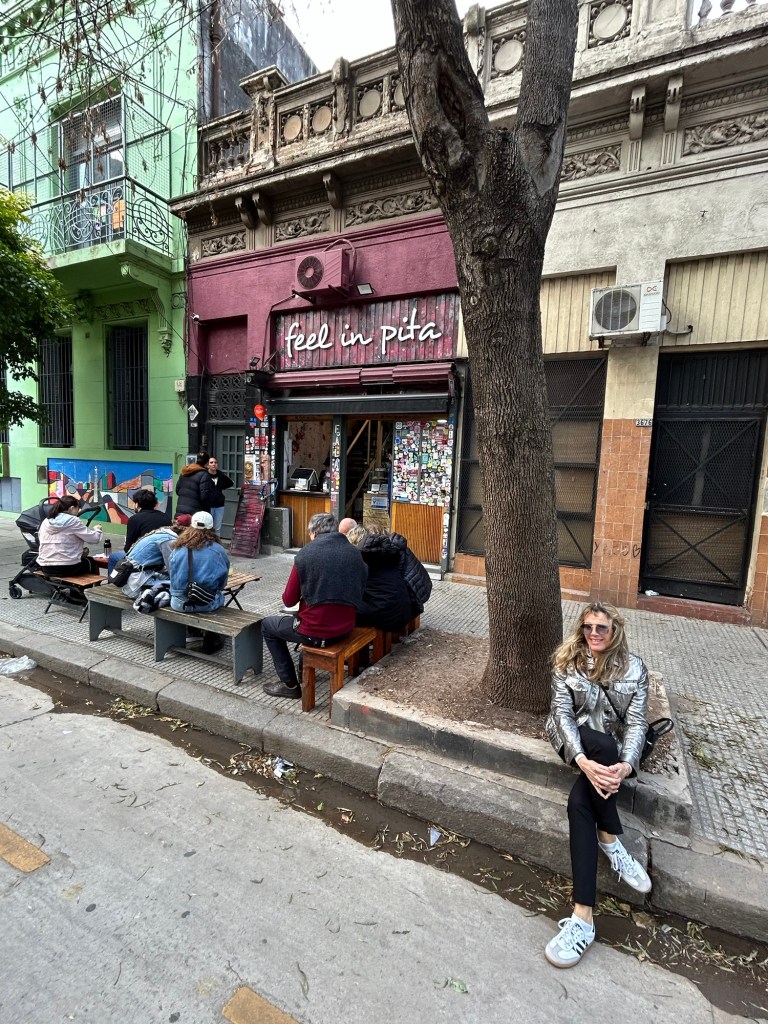
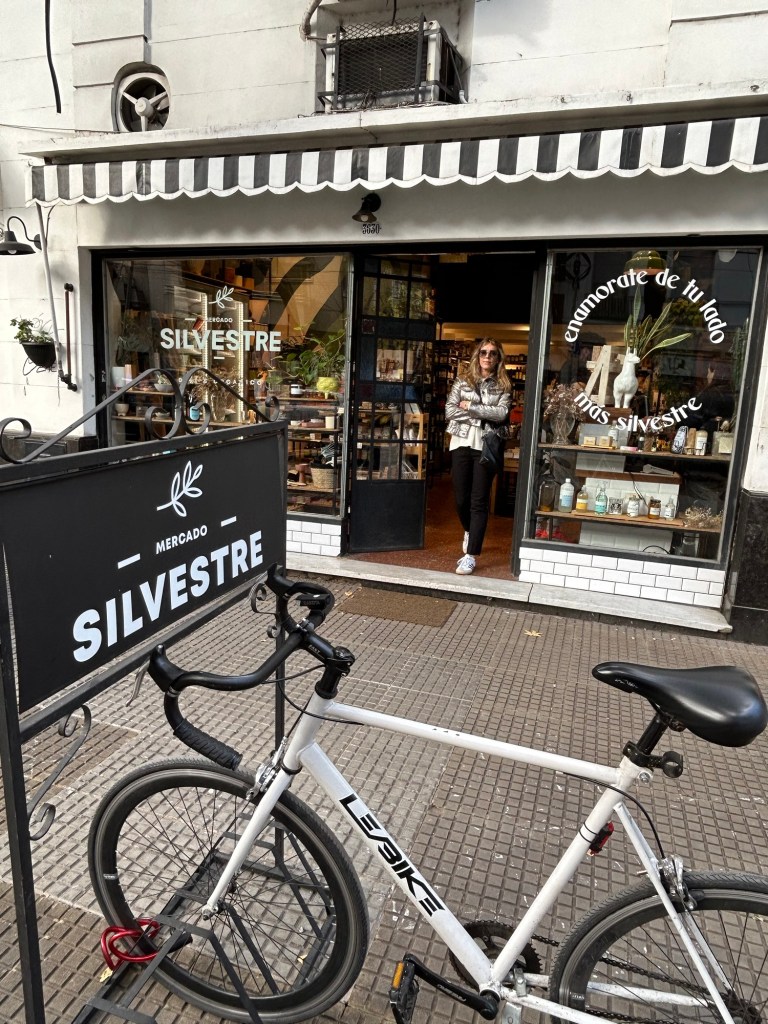
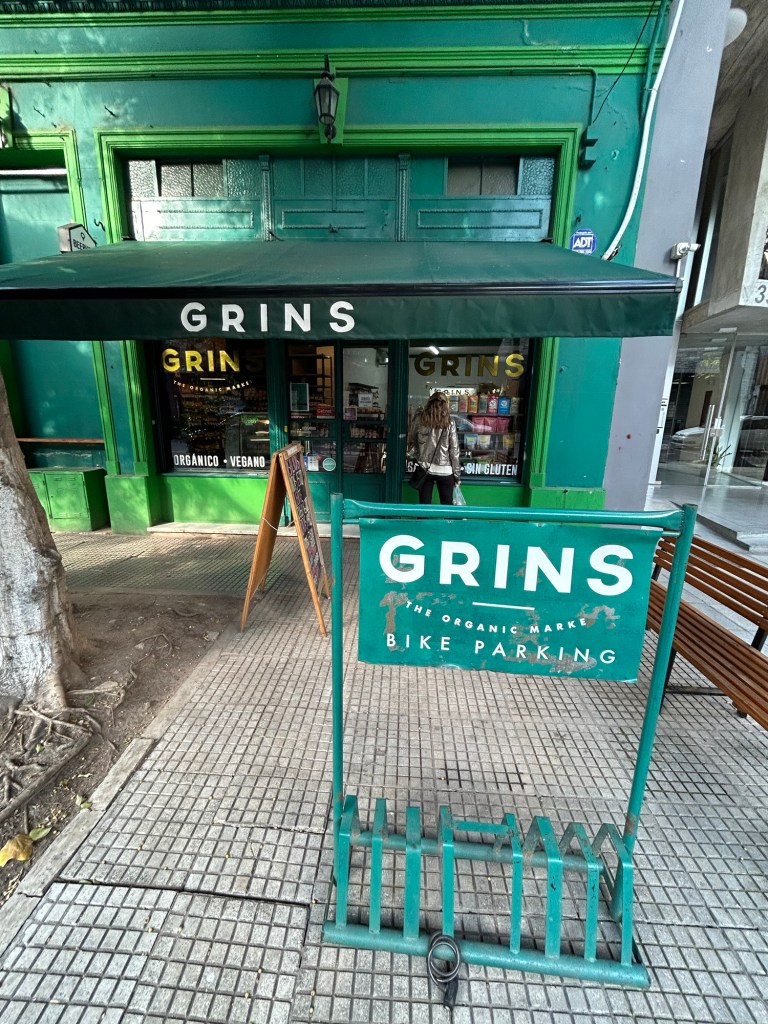
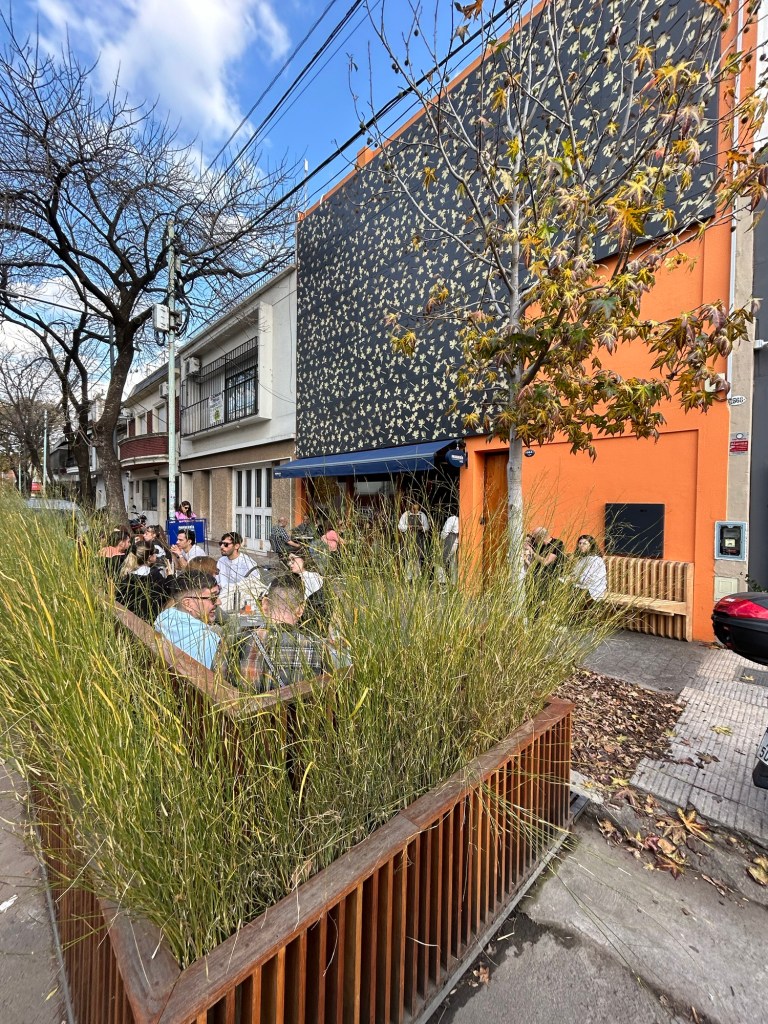
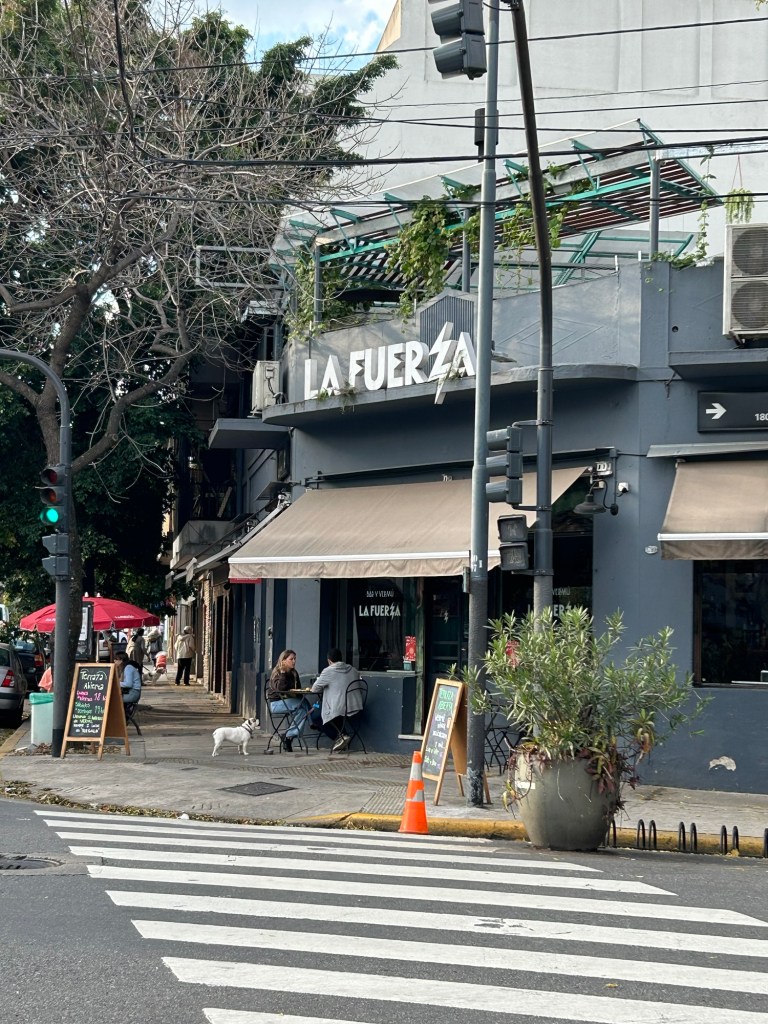
Silvestre en CHACARITASifón en CHACARITANadie Zlotogora en CHACARITAFeel in Pita en CHACARITASilvestre en CHACARITAGrins en CHACARITAAnchoita Panaderia en CHACARITALa Fuerza en CHACARITA
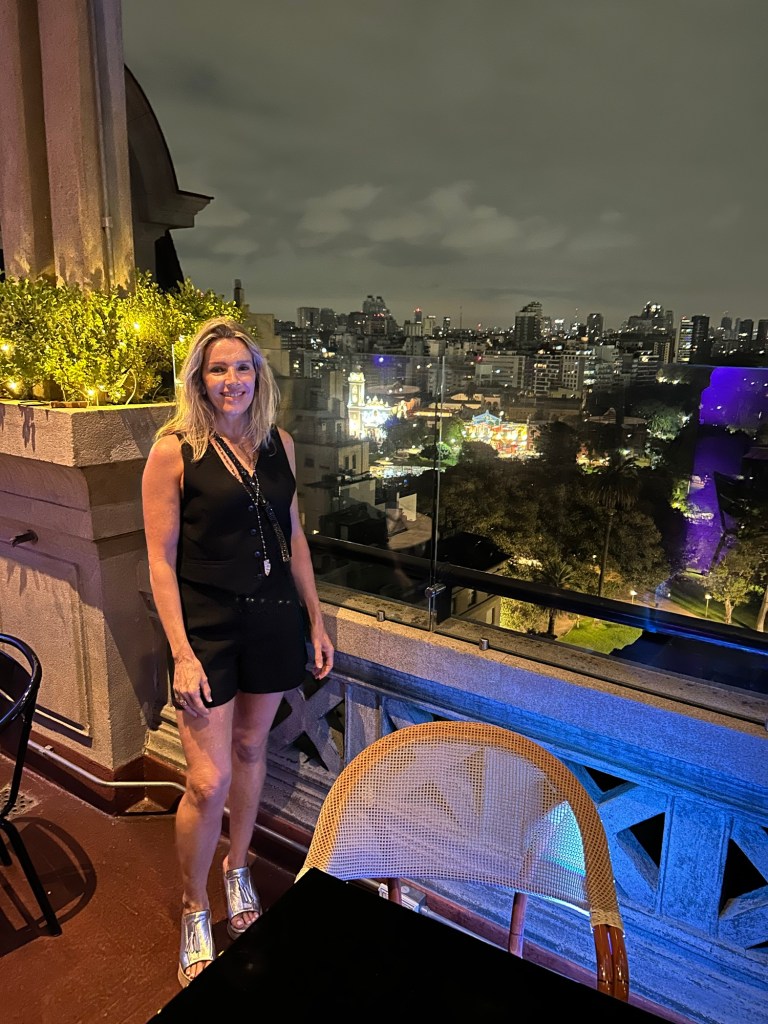
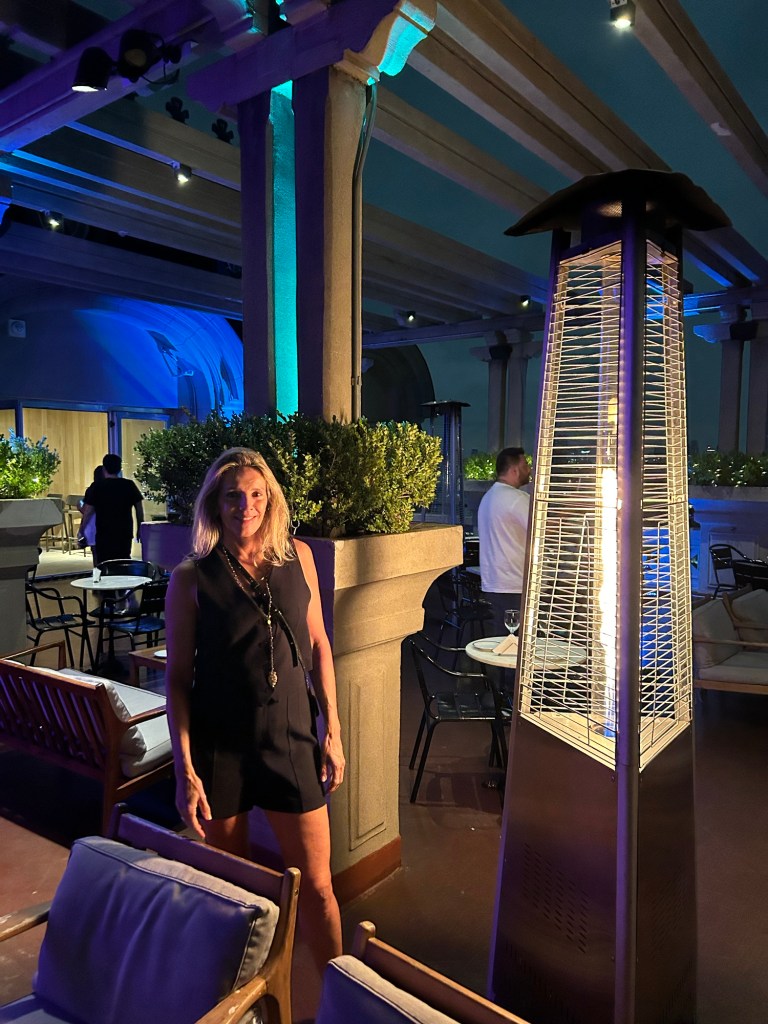
El atardecer o la noche en el roof top del emblemático Hotel Alvear en Recoleta es una experiencia que vale la pena.
Además de ser una oportunidad de visitar su lobby y apreciar su arquitectura y decoración, desde su piso 11 se puede apreciar una vista espectacular de los alrededores de Plaza Francia, la Basílica Nuestra Señora del Pilar, la Facultad de Derecho de la UBA, el puerto y el Río de la Plata.
Un punto recomendable para un “copetin” de los de ahora con pequeños platos o tapas y sushi para acompañar los tragos o una buena copa de vino.
Maria Gracia Inzaurraga en Roof Top del Hotel Alvear en Recoleta
ROOF TOP OF THE ALVEAR HOTEL
The sunset or night on the roof top of the emblematic Hotel Alvear in Recoleta is a worthwhile experience.
In addition to being an opportunity to visit its lobby and appreciate its architecture and decoration, from its 11th floor you can see a spectacular view of the surroundings of Plaza Francia, the Basilica Nuestra Señora del Pilar, the Faculty of Law of the UBA, the port and the Río de la Plata.
A recommendable spot for a modern-day “copetin” with small plates or tapas and sushi to accompany drinks or a good glass of wine.
Maria Gracia Inzaurraga en Roof Top del Hotel Alvear en Recoleta
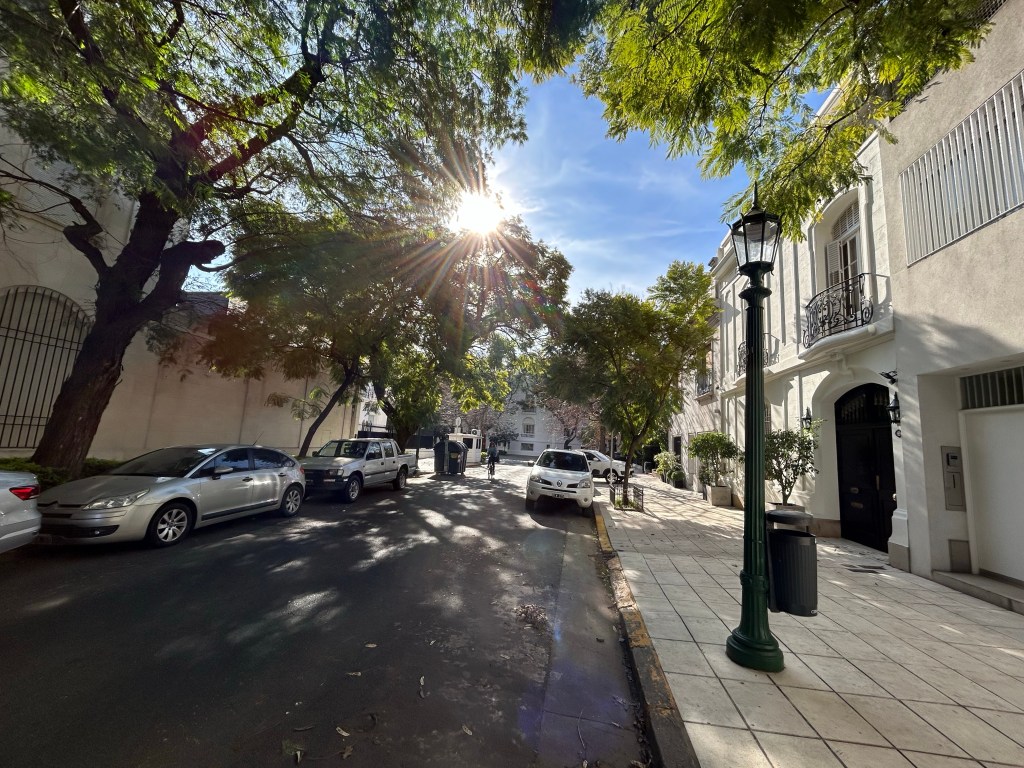
Barrio Parque o Palermo Chico, es una de las zonas más privilegiadas de Buenos Aires y vale la pena caminarla o recorrerla en bicicleta para poder apreciar los detalles de la arquitectura y ornamentación de los palacetes y casas que allí se ubican.
El barrio ubicado al norte de la Avenida Libertador entre Tagle y Serrano, fue diseñado en 1912 por el arquitecto paisajista Carlos Thays, entonces director de Parques y Paseos Públicos de la ciudad, imaginando un Buenos Aires distinto, con curvas, diagonales y mucha vegetación autóctona.
En esta entrega les mostramos la zona que va desde Figueroa Alcorta a las vías del tren, detrás del MALBA y el antes llamado Museo Renault donde hoy funciona el restaurante DASHI.
Sin duda, con sus palacetes y construcciones estilo Tudor, es uno de esos lugares para caminar y admirar lo mejor de Buenos Aires.
BARRIO PARQUE O PALERMO CHICO EN BUENOS AIRES
NEIGHBORHOOD BARRIO PARQUE OR PALERMO CHICO: A SPECIAL PLACE
Barrio Parque or Palermo Chico, is one of the most privileged areas of Buenos Aires and it is worth walking or cycling to appreciate the details of the architecture and ornamentation of the palaces and houses that are located there.
The neighborhood located to the north of Avenida Libertador between Tagle and Serrano, was designed in 1912 by the landscape architect Carlos Thays, then director of Parks and Public Walks of the city, imagining a different Buenos Aires, with curves, diagonals and lots of native vegetation.
In this installment we show you the area that goes from Figueroa Alcorta to the train tracks, behind the MALBA and the formerly called Renault Museum where the DASHI restaurant operates today.
Without a doubt, with its Tudor-style palaces and buildings, it is one of those places to walk and admire the best of Buenos Aires.
BARRIO PARQUE O PALERMO CHICO EN BUENOS AIRESBARRIO PARQUE O PALERMO CHICO EN BUENOS AIRES
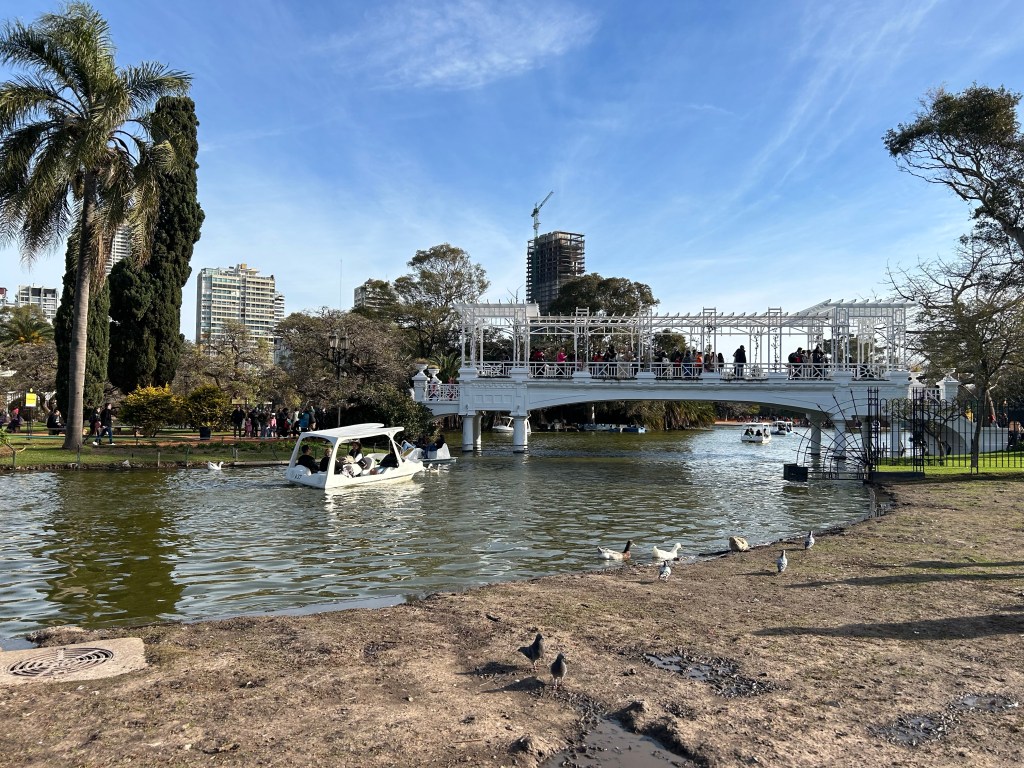
Los lagos y bosques de Palermo encierran una cantidad de actividades para todos, asegurando amplios espacios al aire libre y zonas emblemáticas como el Rosedal, Jardin Botánico y el Parque Japonés, entre otros.
Allí se puede navegar por el lago en los botes a pedal o admirar desde el puente que une al Rosedal lo qué pasa alrededor y ver a los distintos personajes que muestran su arte, habilidades deportivas o su música.
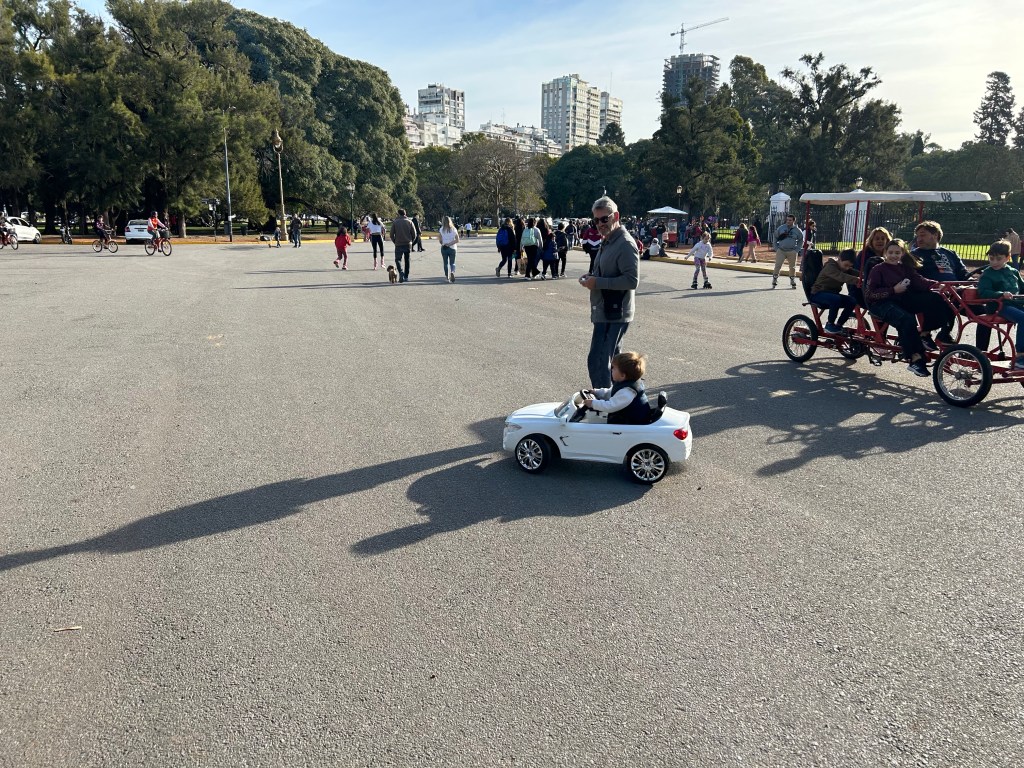
Grandes y chicos tienen un espacio inmenso donde disfrutar en tranquilidad los días soleados en medio del frenetismo de la urbe porteña.
Sin duda un lugar imperdible para todos aquellos que visitan Buenos Aires.
Lagos de Palermo – Foto: María Gracia Inzaurraga
The lakes and forests of Palermo contain a number of activities for everyone, ensuring wide open-air spaces and emblematic areas such as the Rose Garden, the Botanical Garden and the Japanese Park, among others.
There you can navigate the lake in pedal boats or admire from the bridge that joins the Rosedal what is happening around and see the different characters that show their art, sports skills or their music.
Adults and children have an immense space where they can enjoy sunny days in peace in the midst of the frenzy of the city of Buenos Aires.
Undoubtedly an unmissable place for all those who visit Buenos Aires.
Estatua de Diana Cazadora – Foto: María Gracia Inzaurraga
Por María Gracia Inzaurraga
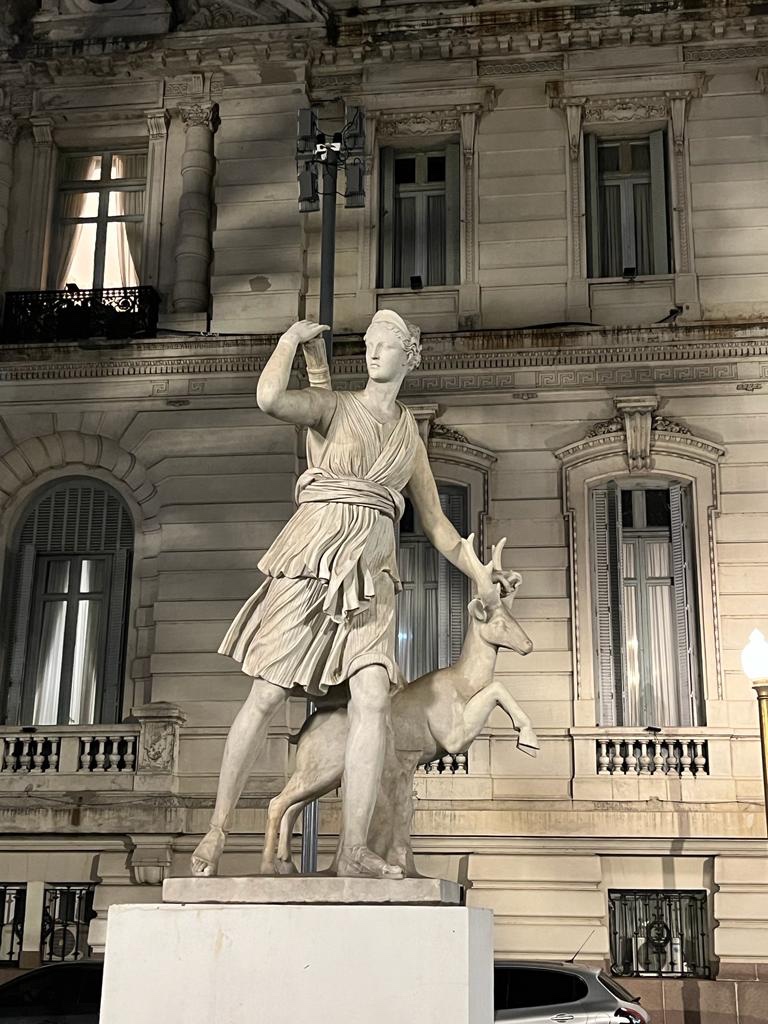
Sobre la Avenida Santa Fe, casi tocando el Palacio Paz y frente al Palacio Anchorena está emplazada la estatua de la diosa romana Diana y su alter ego Artemisa para los griegos.
En la noche, el brillo de la cazadora y guerrera de los dos mundos clásicos se levanta y con su arco y flecha protege su lugar en Buenos Aires como lo hacía con la antiquísima ciudad de Roma. El entorno de imponente arquitectura acompaña a la bellísima estatua.
El entorno de imponente arquitectura acompaña a la bellísima estatua que la hace un punto imperdible de Buenos Aires.
María Gracia Inzaurraga
STATUE OF DIANA THE HUNTER: THE BEAUTIFUL OF THE ETERNAL
By Maria Gracia Inzaurraga
On Santa Fe Avenue, almost touching the Paz Palace and in front of the Anchorena Palace is the statue of the Roman goddess Diana and her alter ego Artemis for the Greeks.
At night, the shine of the huntress and warrior of the two classical worlds rises and with her bow and arrow protects her place in Buenos Aires as she did with the ancient city of Rome.
The environment of imposing architecture accompanies the beautiful statue that makes it an unmissable point in Buenos Aires.
Ernestina País es multifacética, habiéndose destacado en radio, television y periodismo; nadie olvida su paso por el exitoso CQC, pero desde hace 23 años es también empresaria gastronómica.
Junto a Diego Pérez Morales están al frente de “Milión”, éxito ubicado en Recoleta sobre la calle Paraná y Marcelo T. de Alvear.
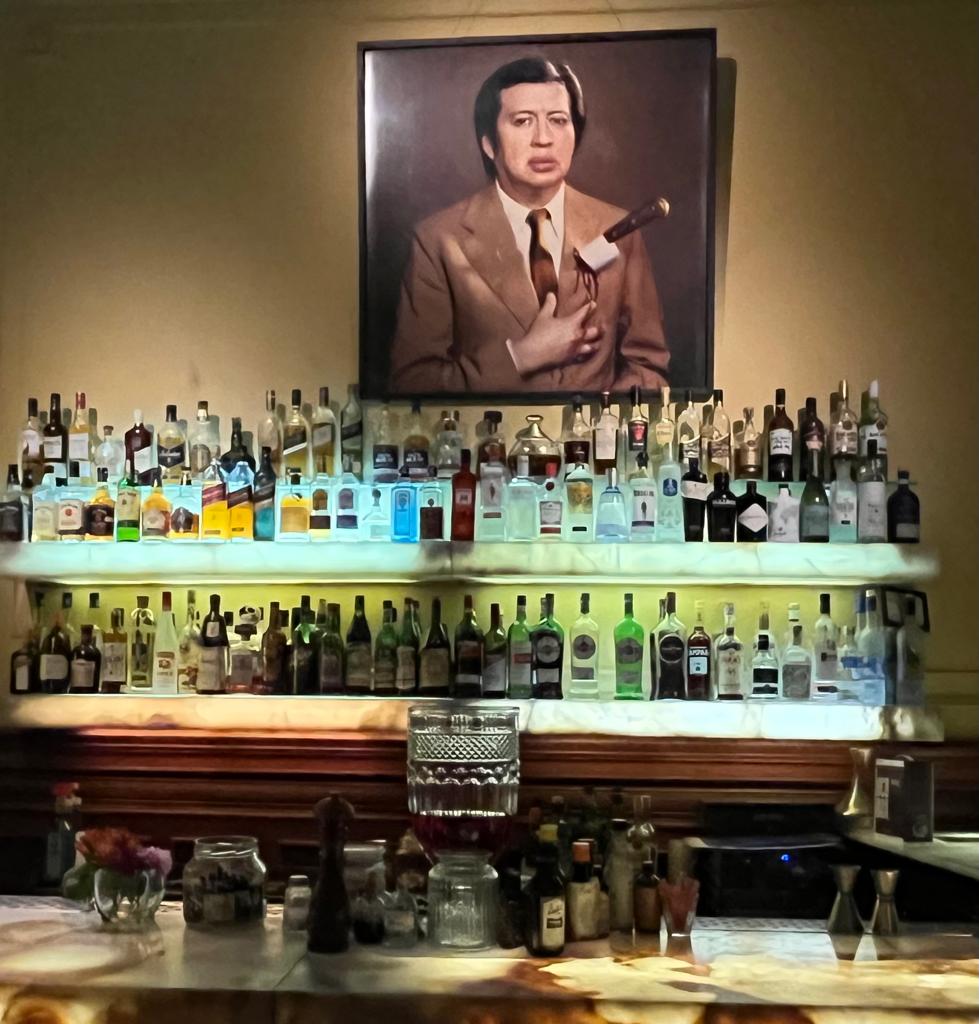
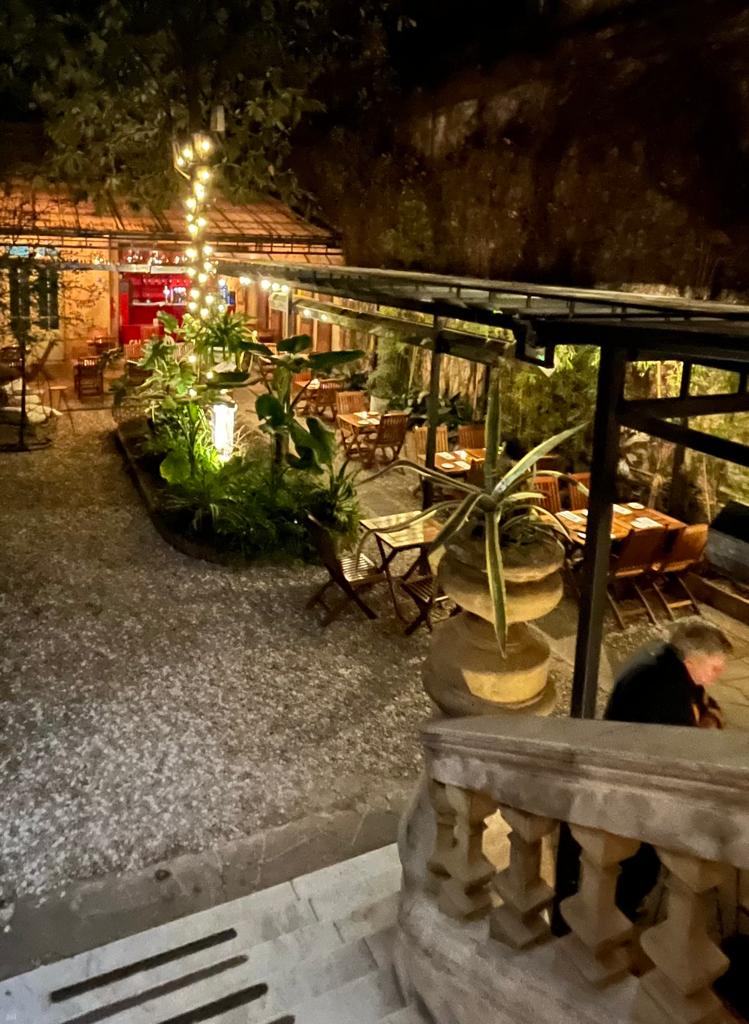
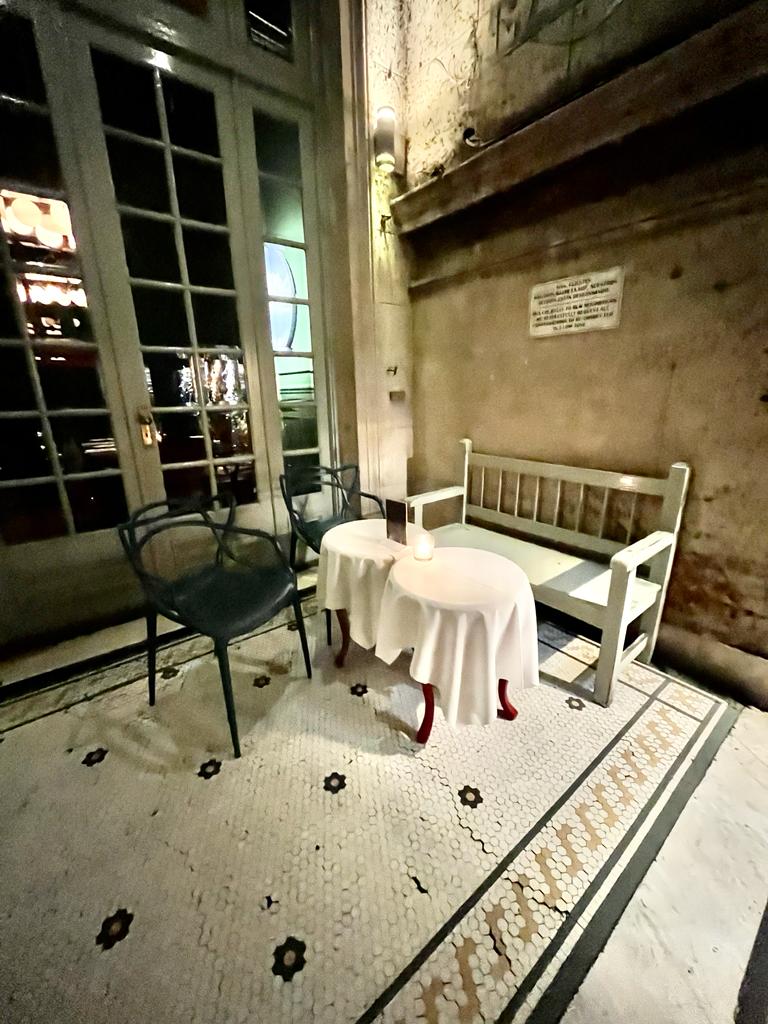
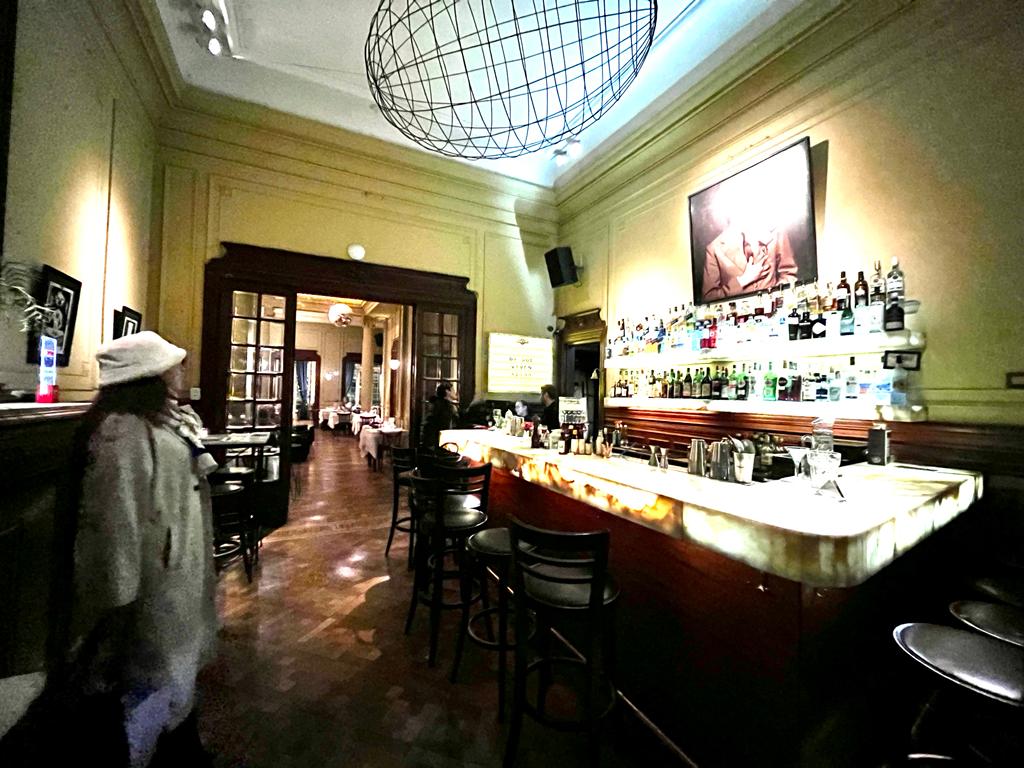
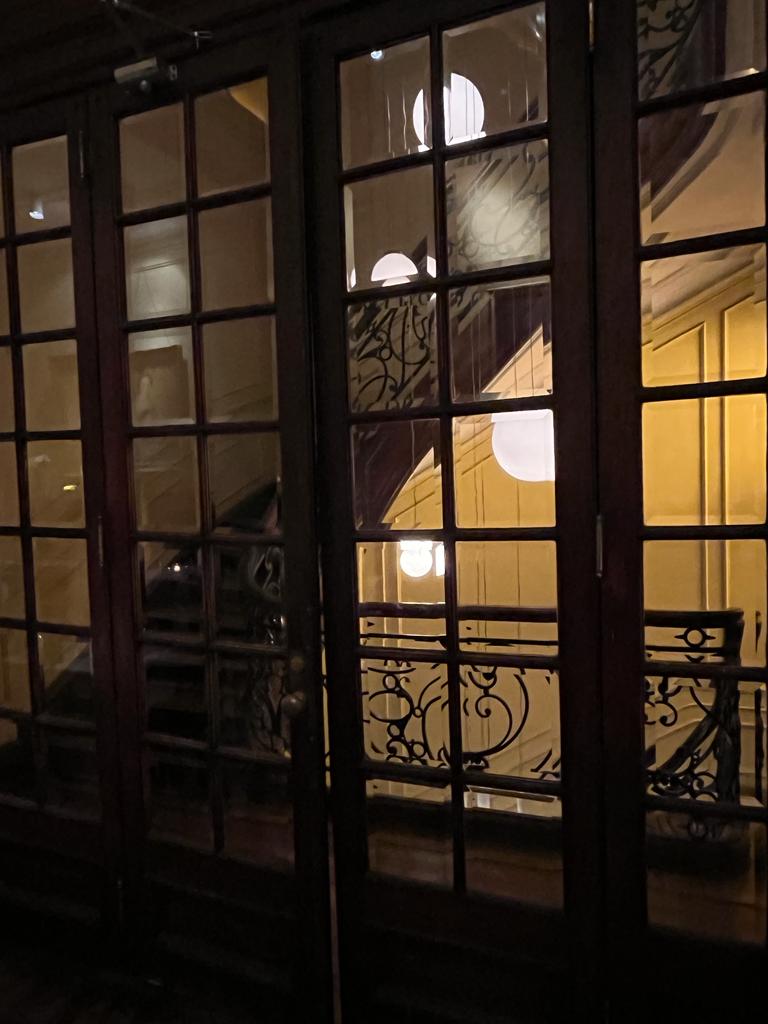
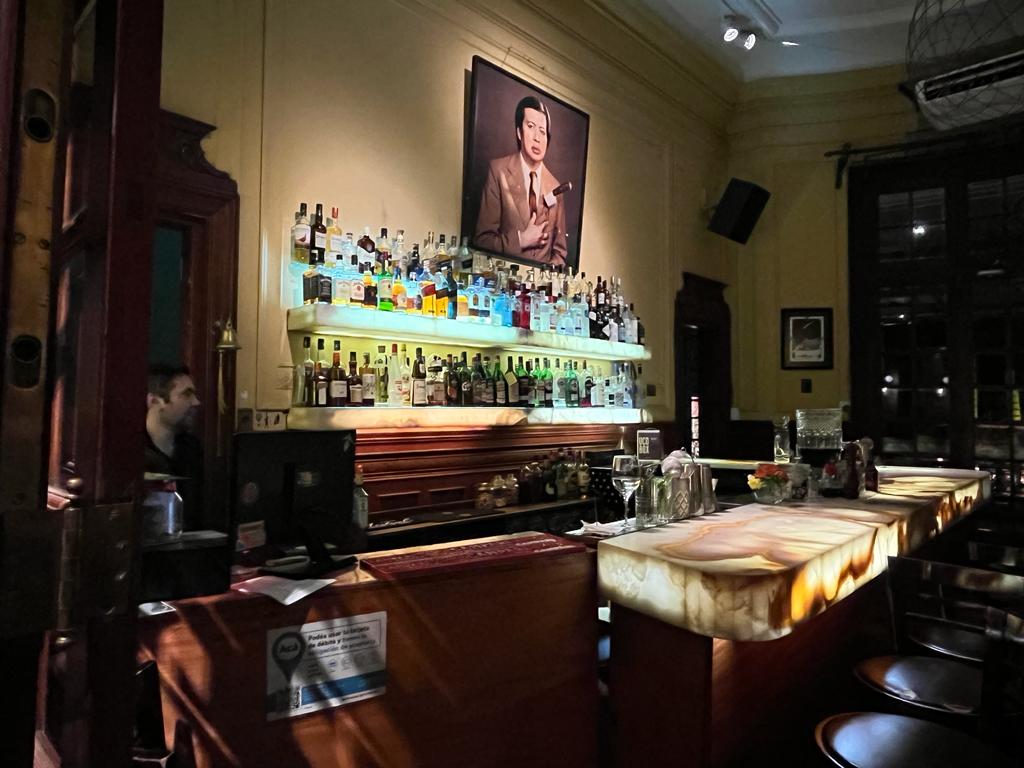
La casa de estilo clásico del siglo XIX, además de espléndida, tiene grandes ventajas como su jardín con plantas y pérgolas, vítreaux de época, escalera de mármol y hierro por la que se accede al restó y en su interior la magia de la estética, la decoración ecléctica y la barra que invita a buenos tragos.
Cuando entramos a “MILIÓN” su dueña nos recibió y se ofreció a contarnos personalmente la historia de la casa, lo cual hace que el lugar sea muy amigable y solicitado por las estrellas que visitan Buenos Aires; Coldplay y Bono lo saben porque lo han elegido como un clásico a la hora de cenar o tomar algo después de sus conciertos.
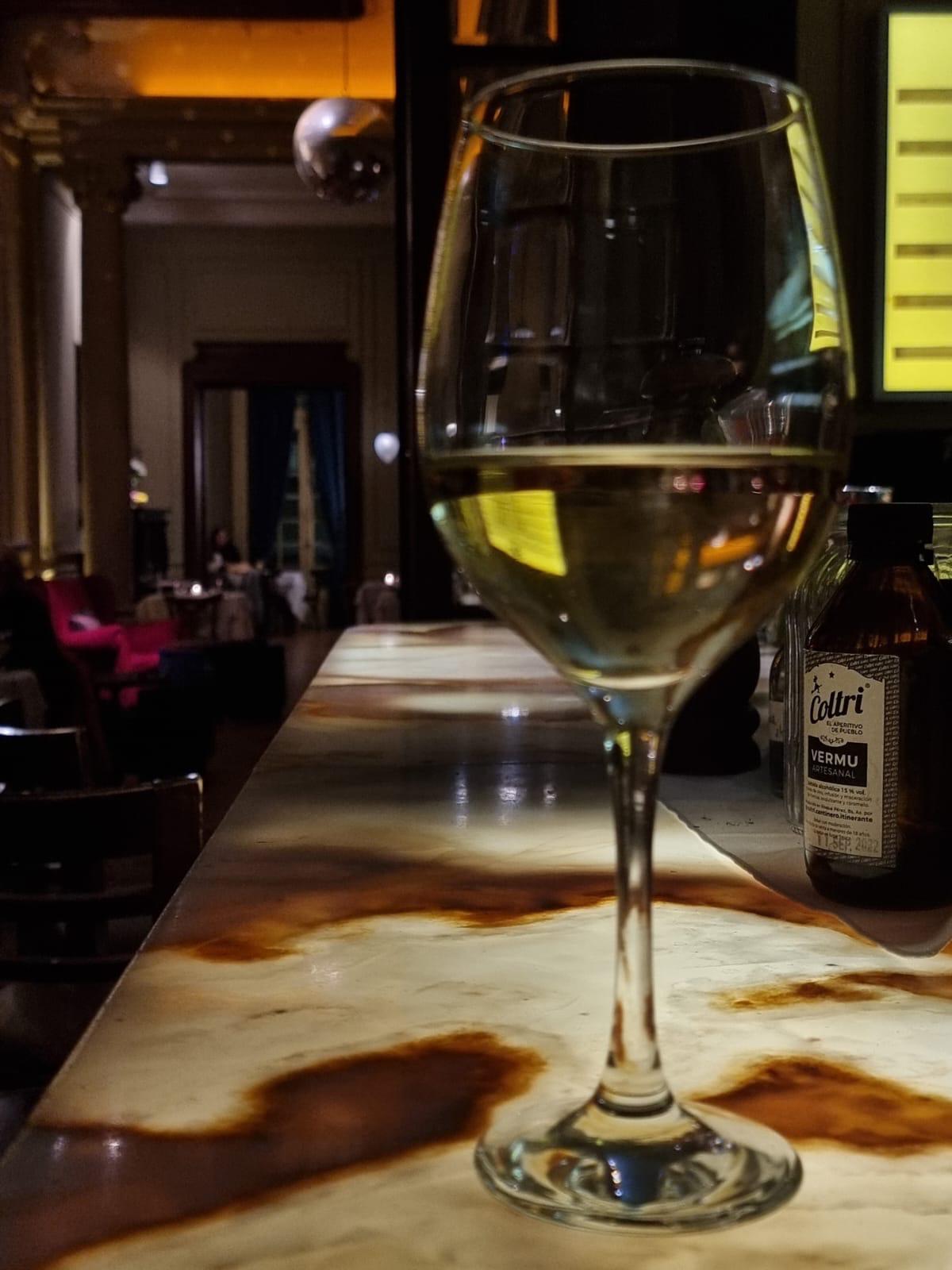
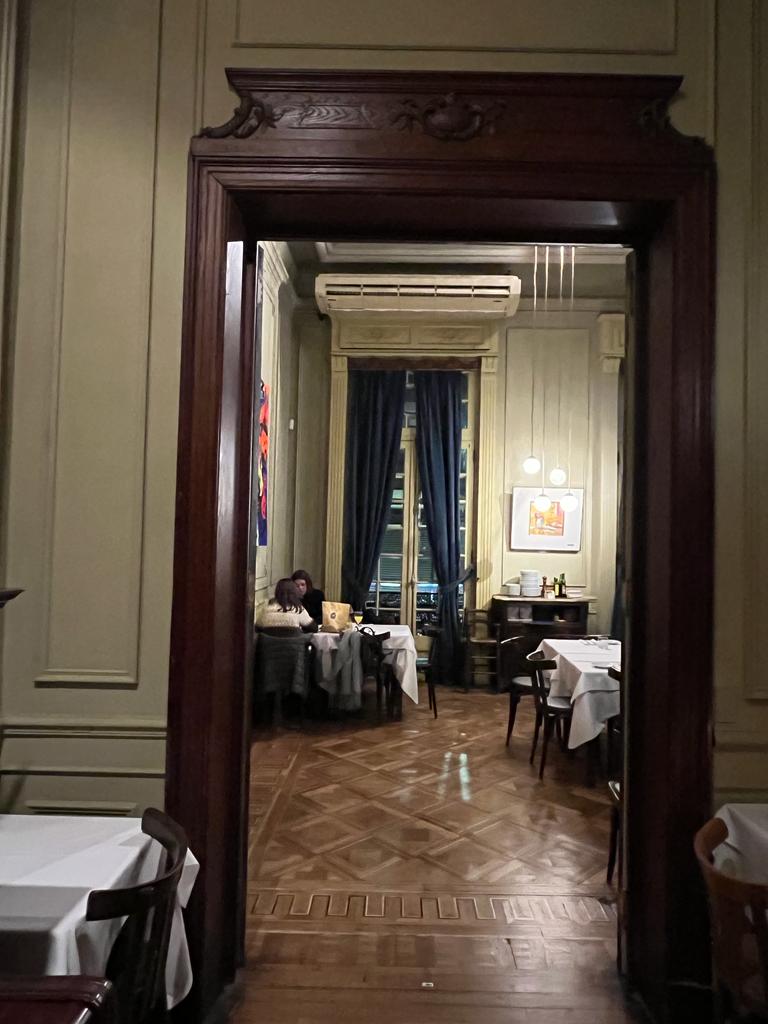
La barra es súper recomendable para entrar en calor antes de pasar al restó mágicamente decorado con cortinas azules de terciopelo que le dan un touch soberbio, y ni que hablar del arte original en paredes.
Por todo esto el Bar seduce y encanta a todos.
MILIÓN BAR EN RECOLETA
MILIÓN BAR EN RECOLETA
MILIÓN BAR AND RESTAURANTE OF ERNESTINA PAIS
By Maria Gracia Inzaurraga
Ernestina País is multifaceted, having excelled in radio, television and journalism; Nobody forgets her time at the successful CQC, but for 23 years she has also been a gastronomic entrepreneur.
Together with Diego Pérez Morales, they are in charge of «MILIÓN» a success located in Recoleta on Paraná and Marcelo T. de Alvear streets.
The classic-style house from the 19th century, in addition to being splendid, has great advantages such as its garden with plants and pergolas, vintage stained glass, a marble and iron staircase that leads to the resto and inside the magic of aesthetics, the eclectic decoration and the bar that invites to good drinks.
When we entered «MILIÓN» its owner received us and offered to personally tell us the history of the house, which makes the place very friendly and requested by the stars who visit Buenos Aires; Coldplay and Bono know this because they have chosen it as a classic for dinner or a drink after their concerts.
The bar is highly recommended to warm up before moving on to the resto magically decorated with blue velvet curtains that give it a superb touch, not to mention the original art on the walls.
For all this the Bar seduces and enchants everyone.
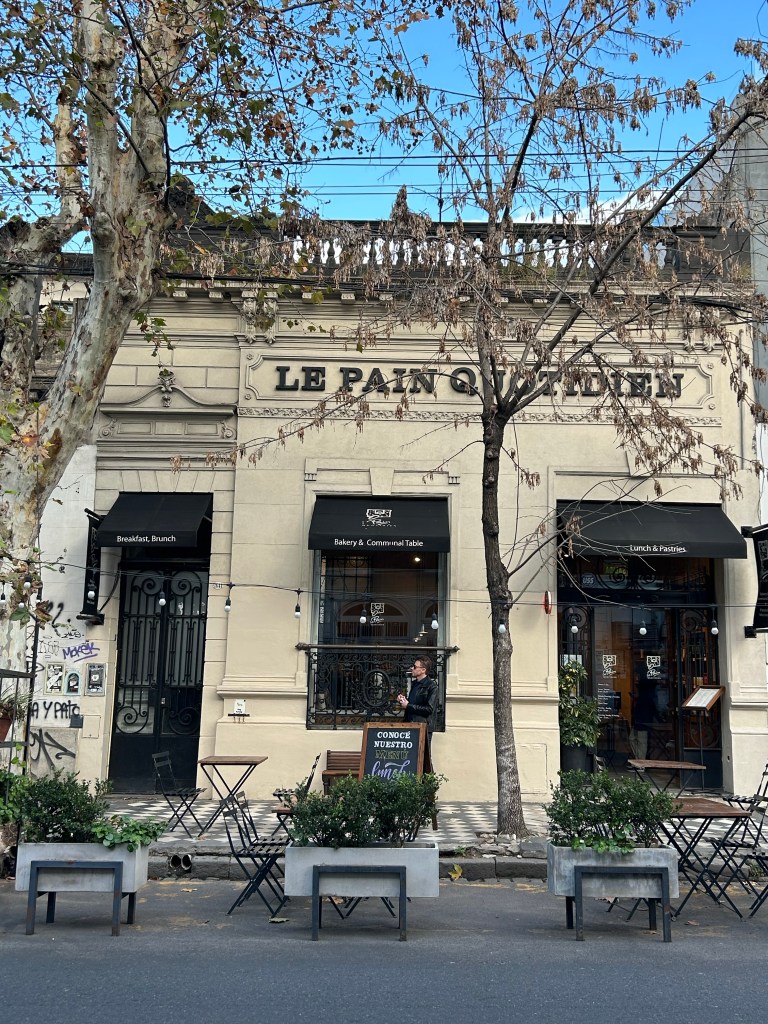
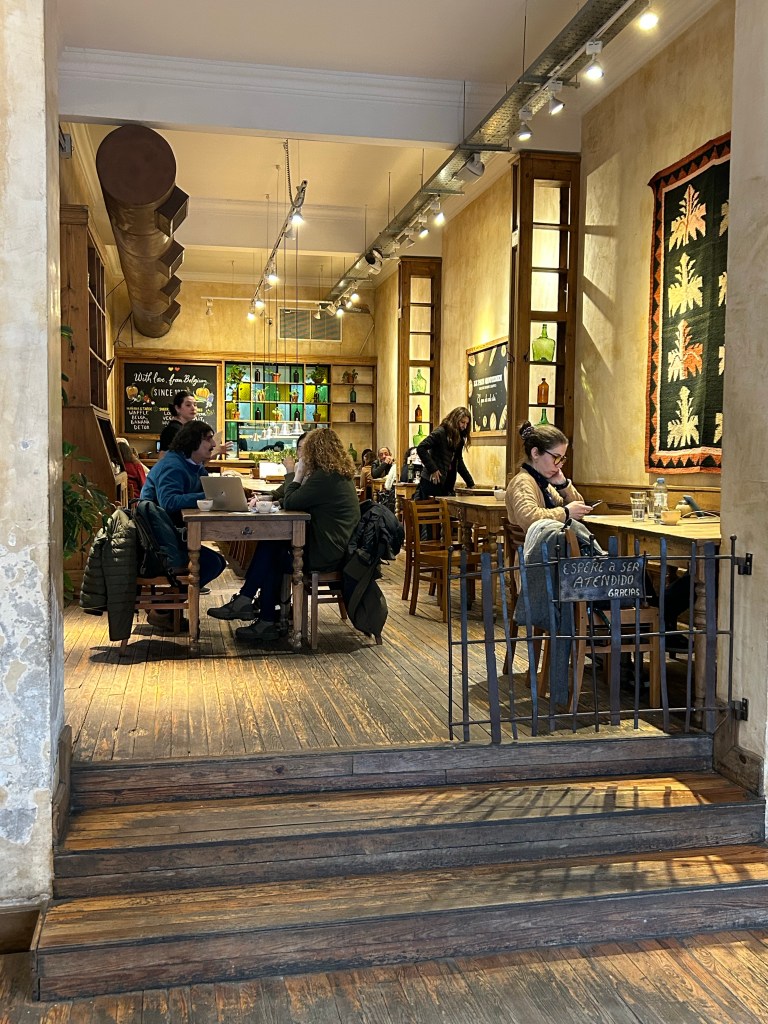
En dos cuadras de la calle Armenia encontrado dos típicas opciones para tomar un café o té y comer algo rico haciendo una pausa a las recorridas o compras en Palermo Soho.
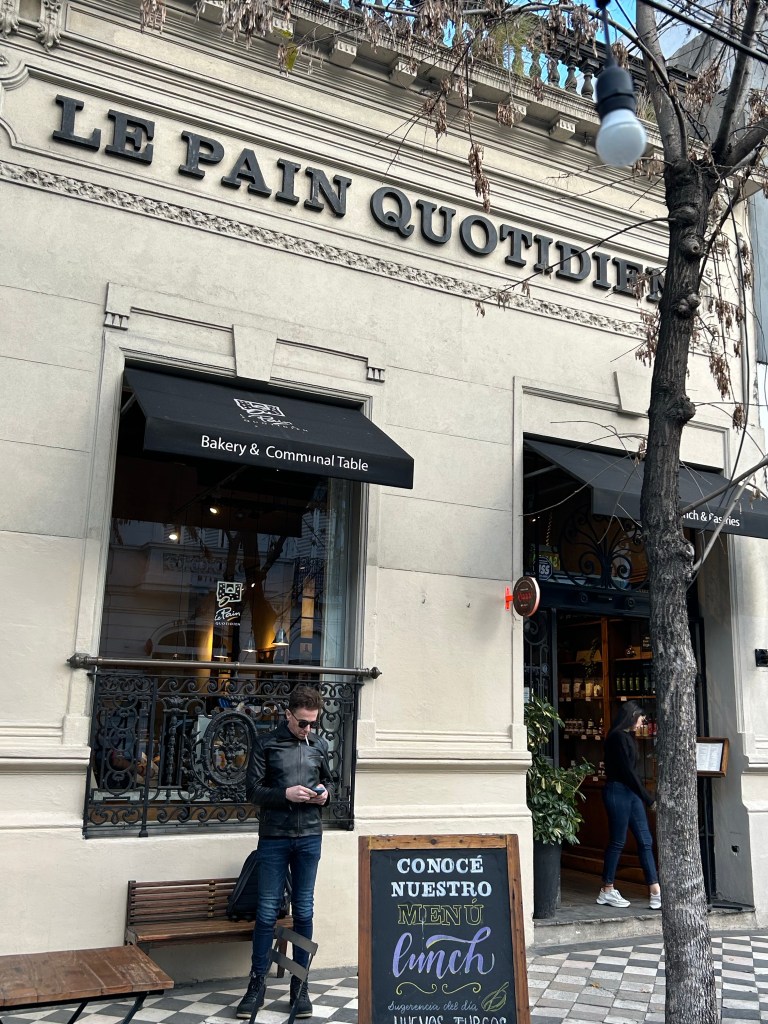
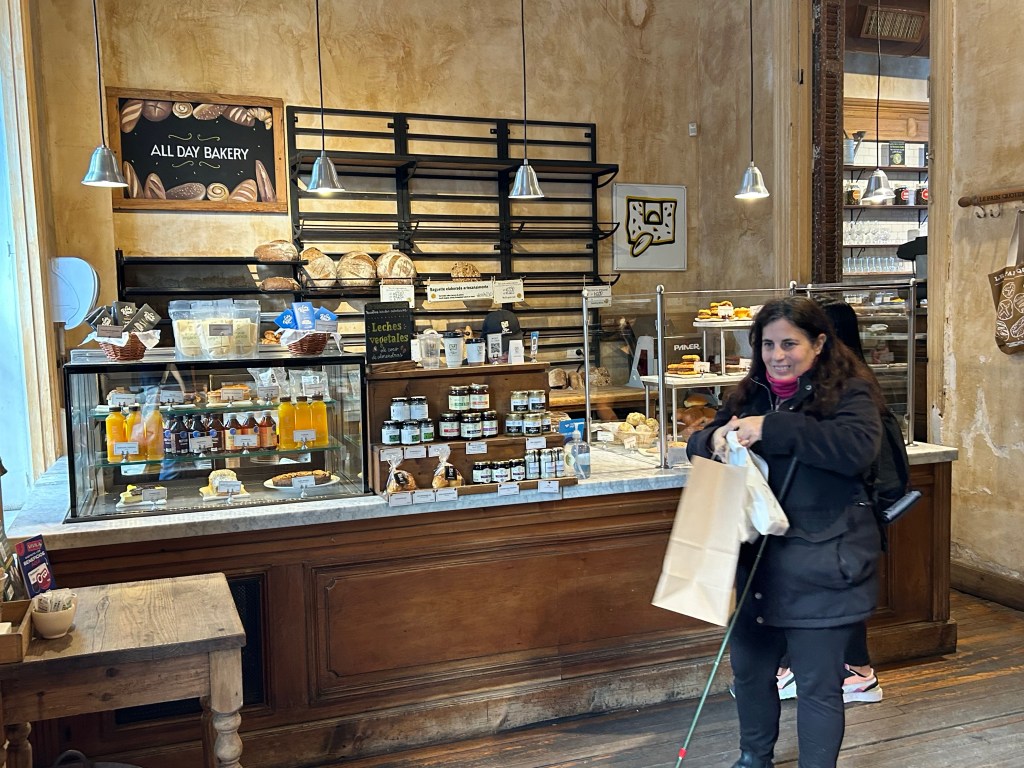
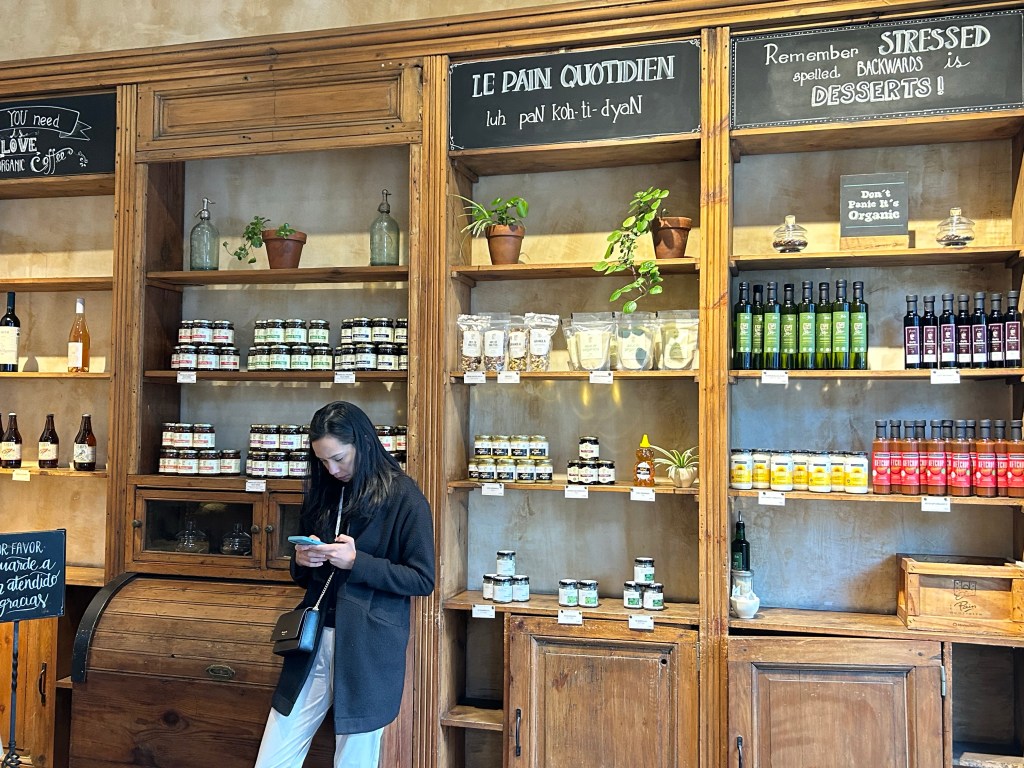
LE PAIN QUOTIDIENE presenta tal vez el más lindo local de su cadena de confiterías con sus panificados de la mejor calidad y variedad.
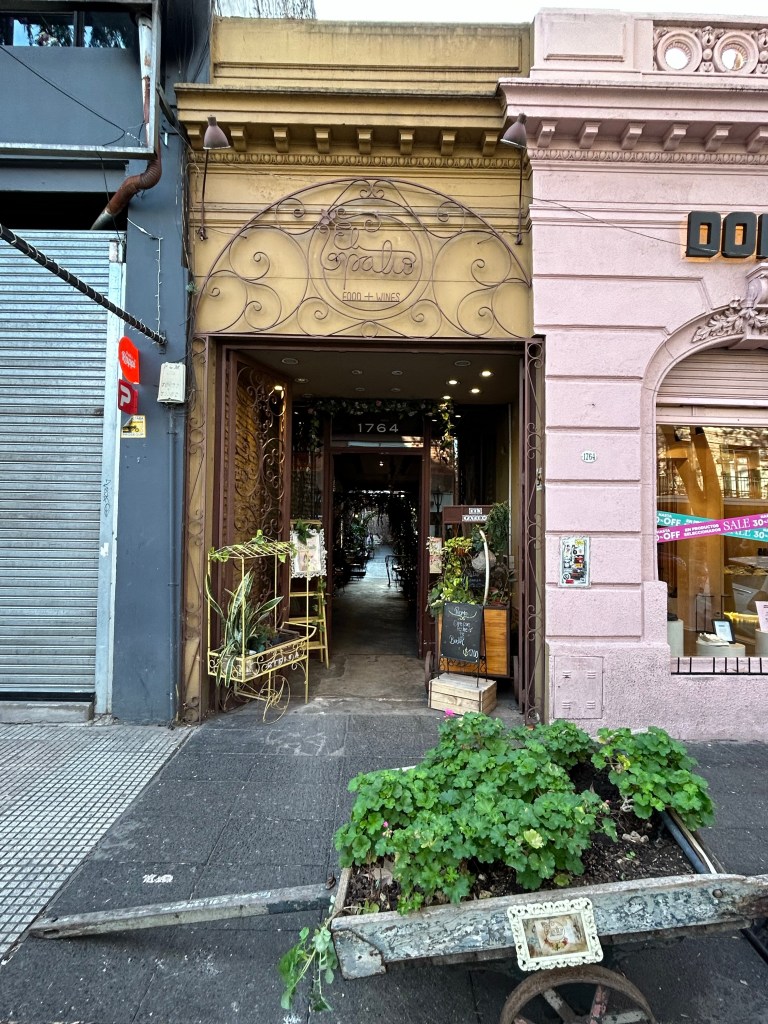
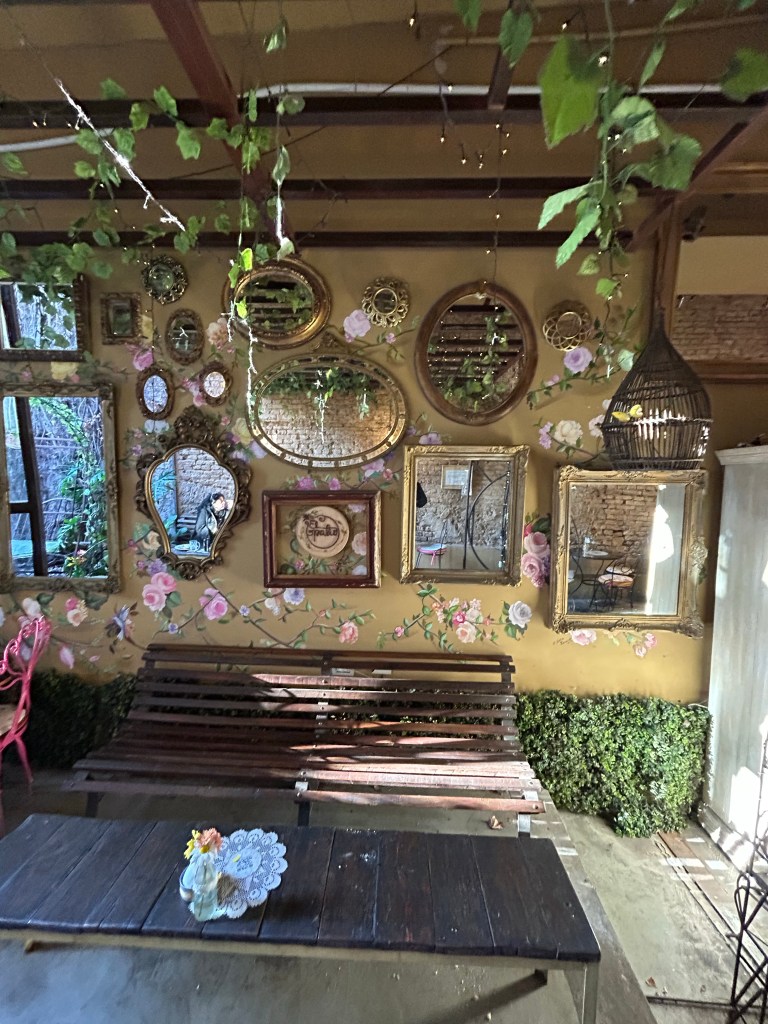
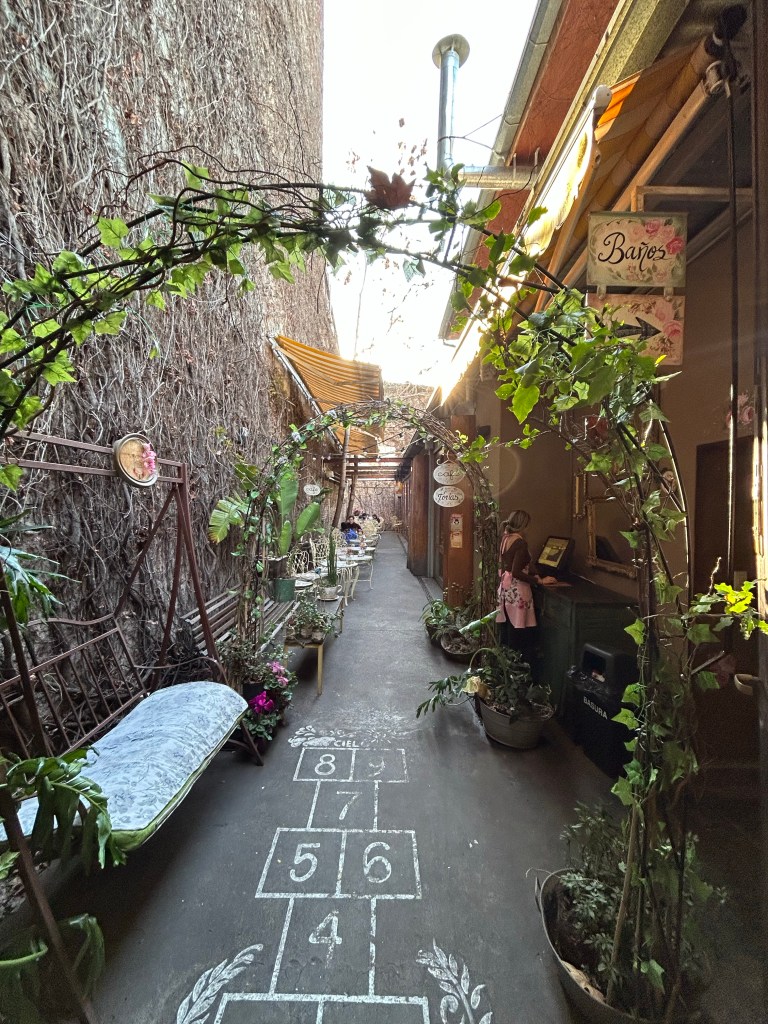
A pocos pasos, encontramos otra simpática opción en EL PATIO, con una decoración y ambiente propios de esta zona de Buenos Aires.
Cualquiera de las dos son opciones que no se pueden perder en las tardes de esta parte de la ciudad.
EL PATIO EN PALERMO
THE PATIO AND LE PAIN QUOTIDIENE IN PALERMO
In two blocks from Armenia street, you will find two typical options to have a coffee or tea and eat something delicious while taking a break from sightseeing or shopping in Palermo Soho.
LE PAIN QUOTIDIENE presents perhaps the most beautiful location of its confectionery chain with its best quality and variety of bread products.
A few steps away, we find another nice option in EL PATIO, with a decoration and atmosphere typical of this area of Buenos Aires.
Either of the two are options that cannot be missed in the afternoons in this part of the city.
EL PATIO EN PALERMOEL PATIO EN PALERMOLENPAIN QUOTIDIENE EN PALERMOLE PAIN QUOTIDIENE EN PALERMOLE PAIN QUOTIDIENE EN PALERMOLE PAIN QUOTIDIENE EN PALERMO
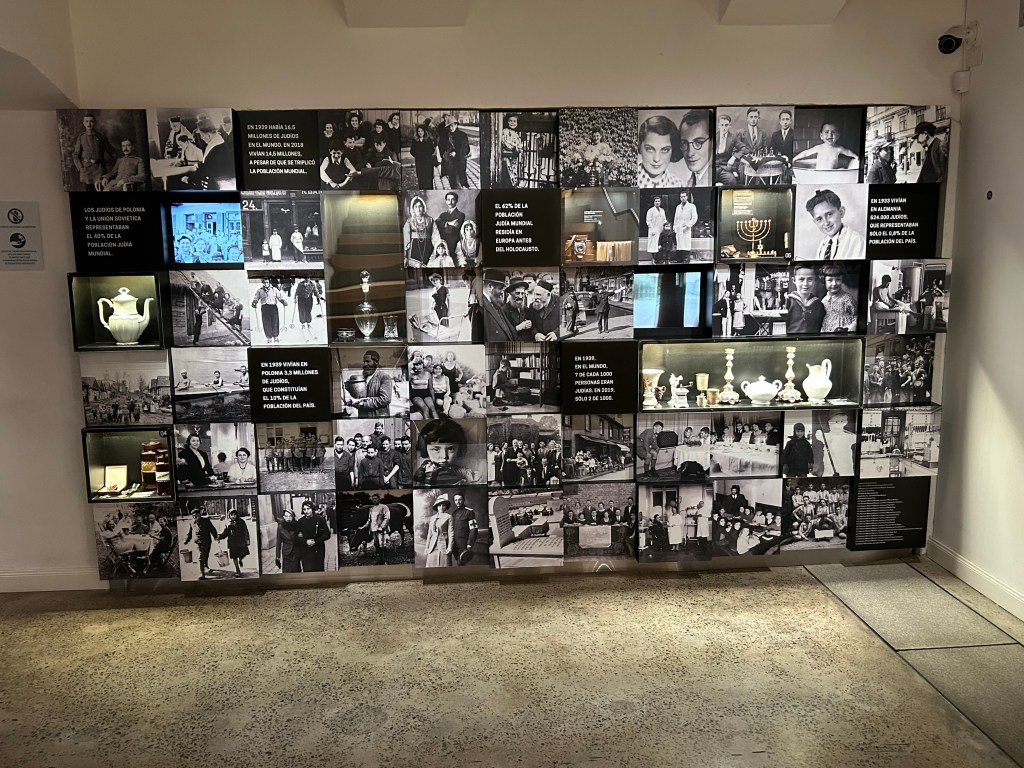
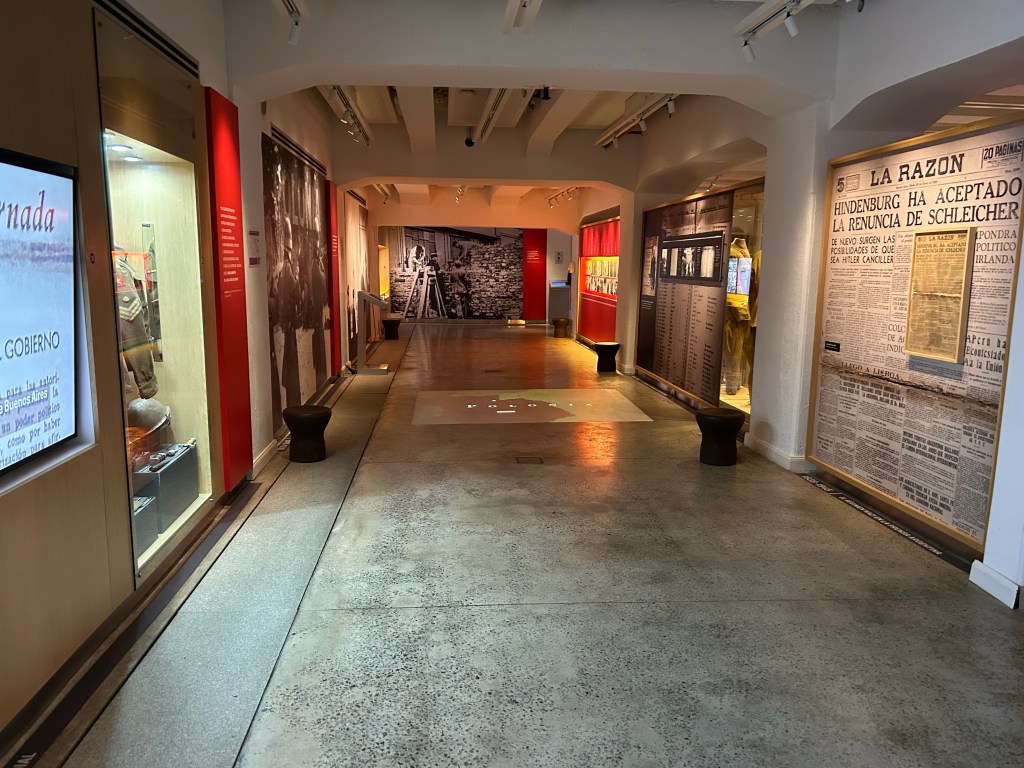
El Museo del Holocausto ubicado en la calle Montevideo entre Paraguay y Marcelo T de Alvear en Recoleta, es una experiencia que impacta e informa mediante vivencias y datos históricos lo que fue el fenómeno del nazismo y la persecución de los judios en Europa.
En su página web el Museo explica el objetivo de la muestra permanente:
“Es un espacio vivencial que integra la historia del Holocausto-Shoá y sus repercusiones en la Argentina, con el objetivo de educar a las nuevas generaciones y preservar la memoria. A través de objetos, documentos y testimonios de los sobrevivientes se exhibe un recorrido que da cuenta del proceso de exterminio de seis millones de judíos a manos de la Alemania nazi.”
Sin duda la muestra permanente logra su objetivo a través de distintas técnicas audiovisuales donde se puede explorar con objetos, documentos, audios y videos que profundizan y permiten apreciar lo vivido por todas las victimas del nazismo.
Una recomendación: vaya con tiempo y auriculares para su celular para escuchar la audio guía con las explicaciones y expresiones de cada estacion.
Un lugar y una experiencia imperdible para todos los que visitan Buenos Aires.
Museo del Holocausto en Buenos Aires
HOLOCAUST MUSEUM: AN IMPACTING EXPERIENCE
The Holocaust Museum located on Montevideo street between Paraguay and Marcelo T de Alvear in Recoleta, is an experience that impacts and informs through experiences and historical data what was the phenomenon of Nazism and the persecution of Jews in Europe.
On its website the Museum explains the objective of the permanent exhibition: “It is an experiential space that integrates the history of the Holocaust-Shoá and its repercussions in Argentina, with the aim of educating the new generations and preserving memory. Through objects, documents and testimonies of the survivors, a journey is exhibited that accounts for the process of extermination of six million Jews at the hands of Nazi Germany.”
Undoubtedly, the permanent exhibition achieves its objective through different audiovisual techniques, which can be explored with objects, documents, audios, and videos that deepen and allow us to appreciate what was experienced by all the victims of Nazism.
A recommendation: go with time and headphones to listen the audio guide for your cell phone whit explanations and expressions of each station.
A place and an unforgettable experience for all who visit Buenos Aires.
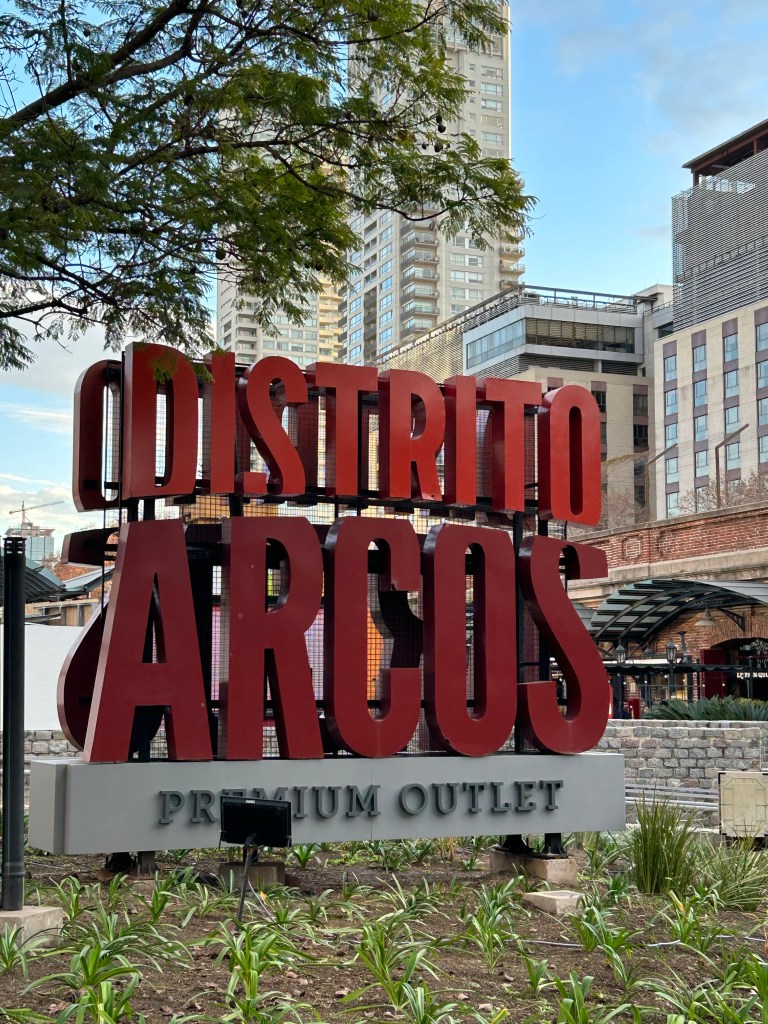
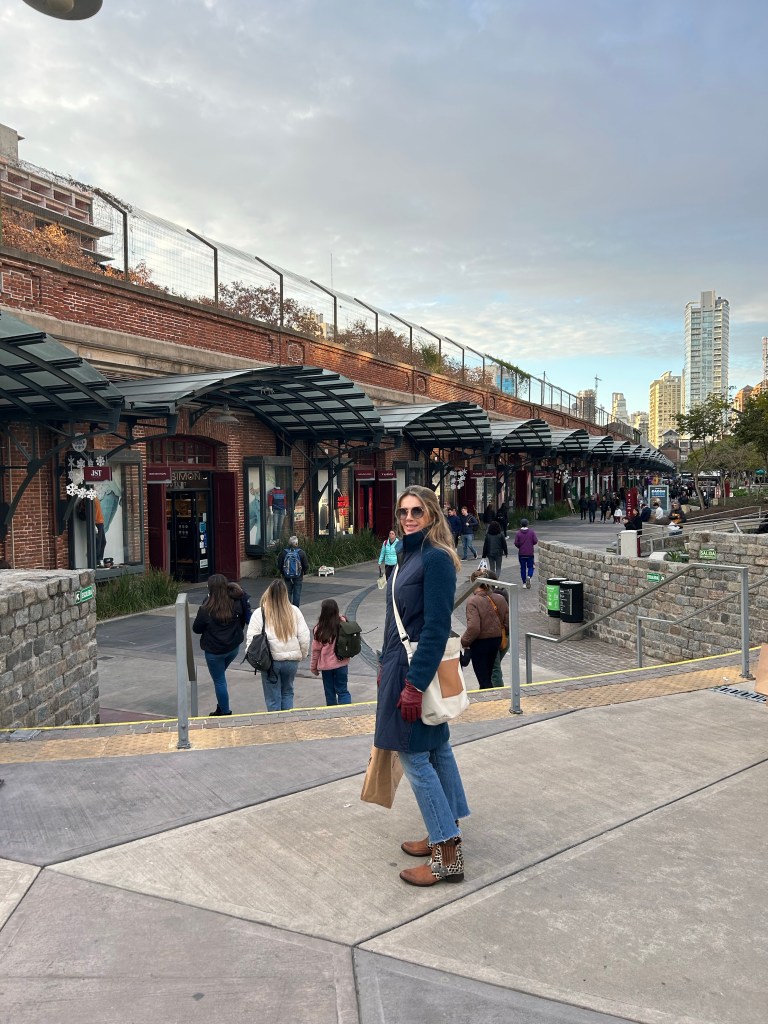
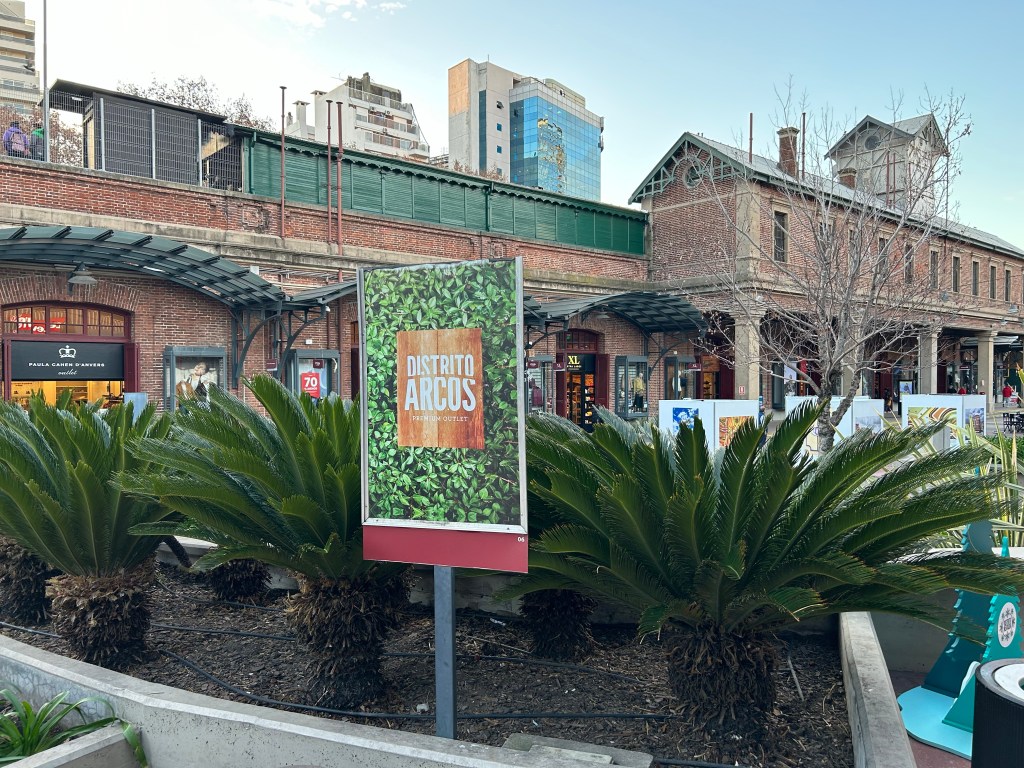
El Distrito Arcos en Palermo es un Premium Outlet montado en la infraestructura de ladrillos del viaducto del ferrocarril, que se puede sentir cuando pasa por encima de los locales.
Las más destacadas marcas nacionales e internacionales se reúnen en un solo punto sobre la Avenida Juan B Justo y Santa Fe, con locales amplios y al aire libre, con oportunidades y grandes descuentos.
Marcas como NIKE, ADIDAS, PUMA y LACOSTE se unen a las tradicionales argentinas con descuentos importantes así como locales gastronómicos de la talla de LE PAIN QUOTIDIEN, STARBUCKS o HAVANNA.
Un lugar que no se puede dejar de visitar en Buenos Aires entre los barrios de Palermo Soho y Hollywood.
MARÍA GRACIA INZAURRAGA EN DISTRITO ARCOS EN PALERMO
The Arcos District in Palermo is a Premium Outlet mounted on the brick infrastructure of the railway viaduct, which can be felt when passing over the premises.
The most outstanding national and international brands come together in a single point on Avenida Juan B Justo and Santa Fe, with large open-air stores, with opportunities and great discounts.
Brands such as NIKE, ADIDAS, PUMA and LACOSTE join traditional Argentine brands with significant discounts, as well as gastronomic venues such as LE PAIN QUOTIDIEN, STARBUCKS or HAVANNA.
A place that cannot be missed in Buenos Aires between the neighborhoods of Palermo Soho and Hollywood.
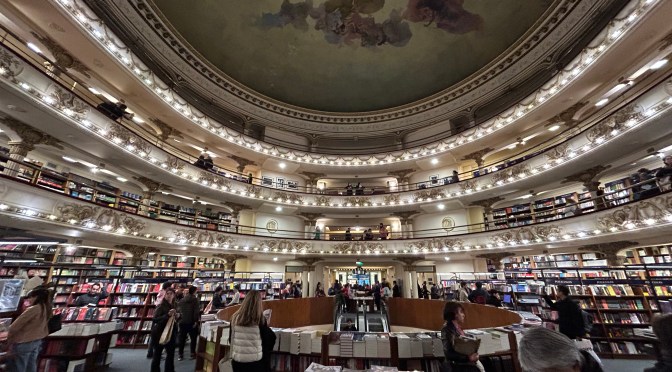
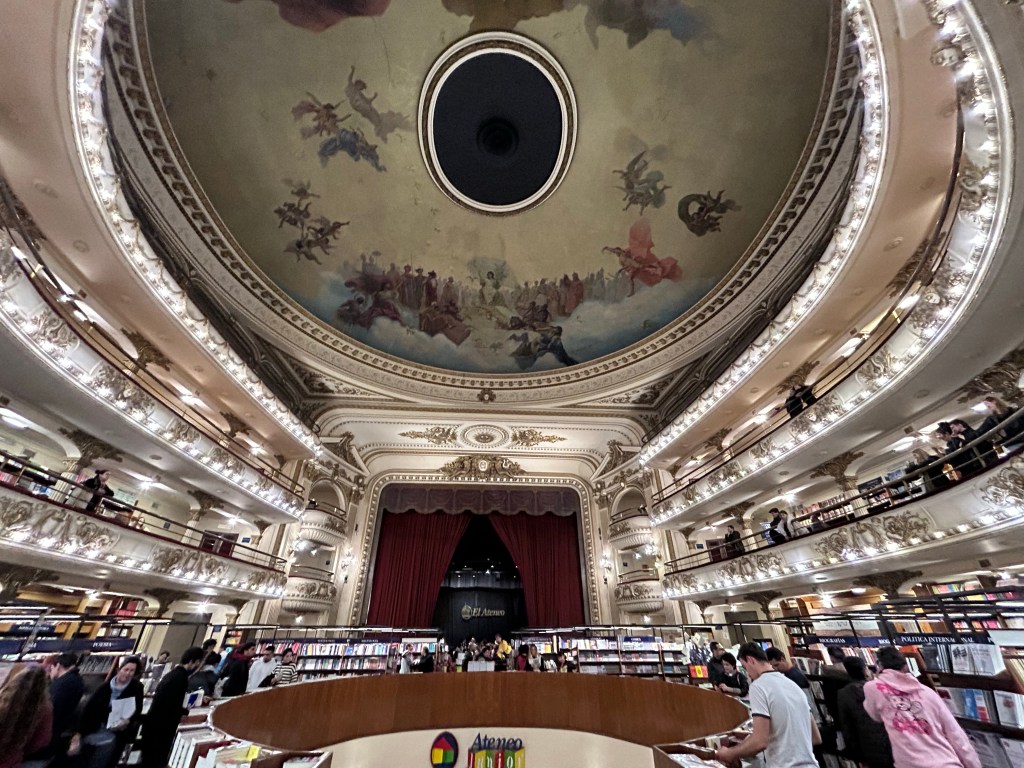
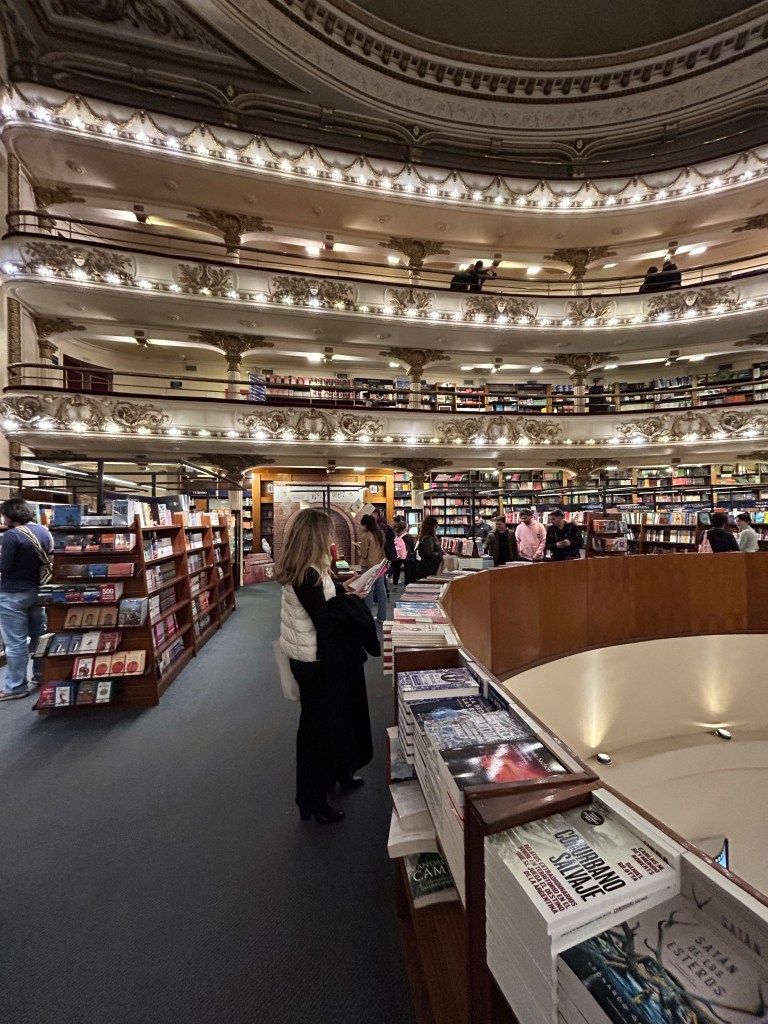
La librería EL ATENEO GRAND SPLENDID es una de las joyas de Buenos Aires que no se puede dejar de visitar.
El teatro se inauguró en 1919 y fue uno de los puntos centrales de la sociedad argentina, funcionando también como cine hasta que cerró en 1999.
En el año 2000 reabrió como librería de la cadena YENNY manteniendo gran parte de sus elementos y telón principal instalando una cafetería donde funcionaba el escenario.
Sentarse a hojear los libros tranquilos en alguno de sus palcos es uno de esos momentos que no pueden dejar de vivirse en este lugar de Buenos Aires.
LIBRERÍA EL ATENEO GRAND SPLENDID
EL ATENEO GRAND SPLENDID BOOKSTORE ON SANTA FÉ AVENUE
The EL ATENEO GRAND SPLENDID bookstore is one of the jewels of Buenos Aires that cannot be missed.
The theater was inaugurated in 1919 and was one of the central points of Argentine society, also functioning as a cinema until it closed in 1999.
In the year 2000, it reopened as a bookstore for the YENNY chain, maintaining a large part of its elements and main curtain, installing a cafeteria where the stage functioned.
Sitting quietly to leaf through the books in one of its boxes is one of those moments that cannot be missed in this part of Buenos Aires.
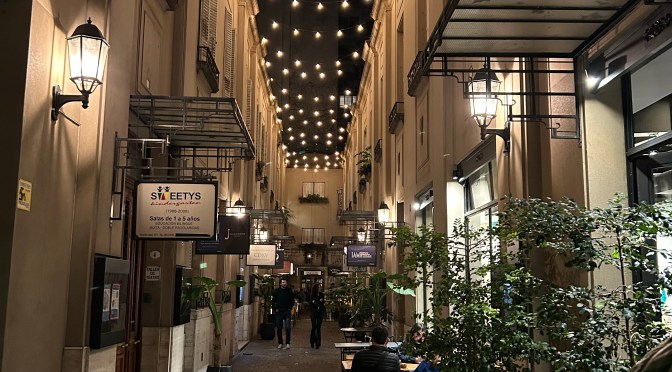
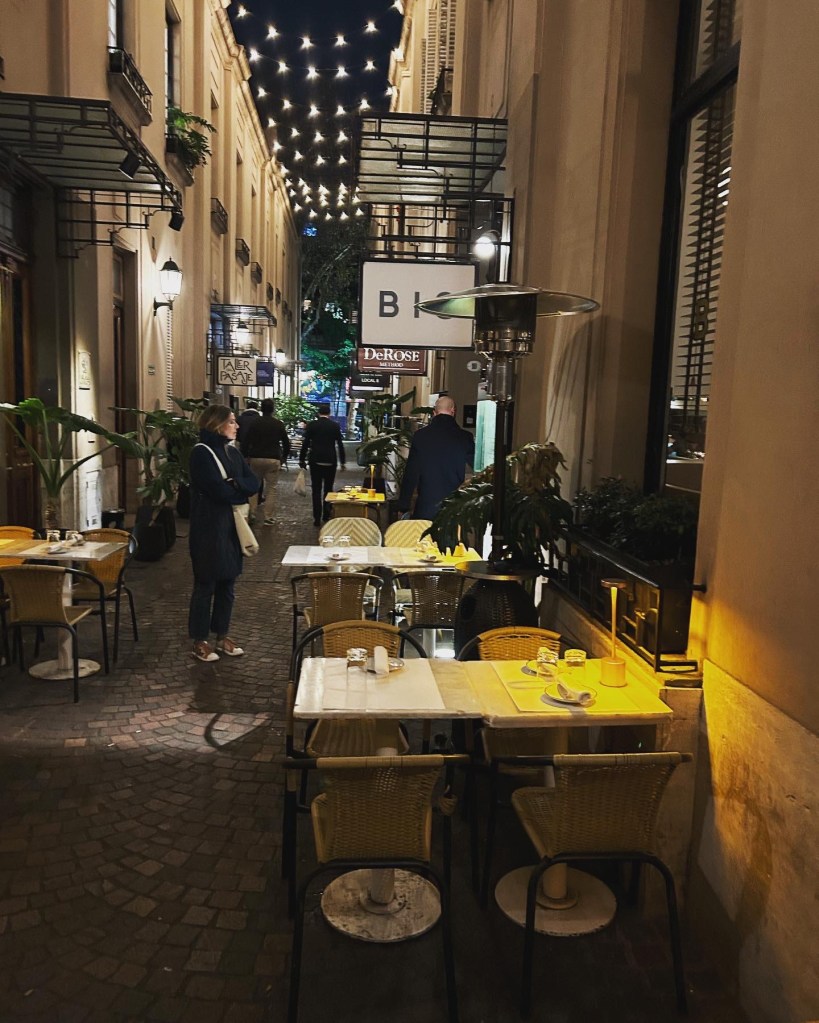
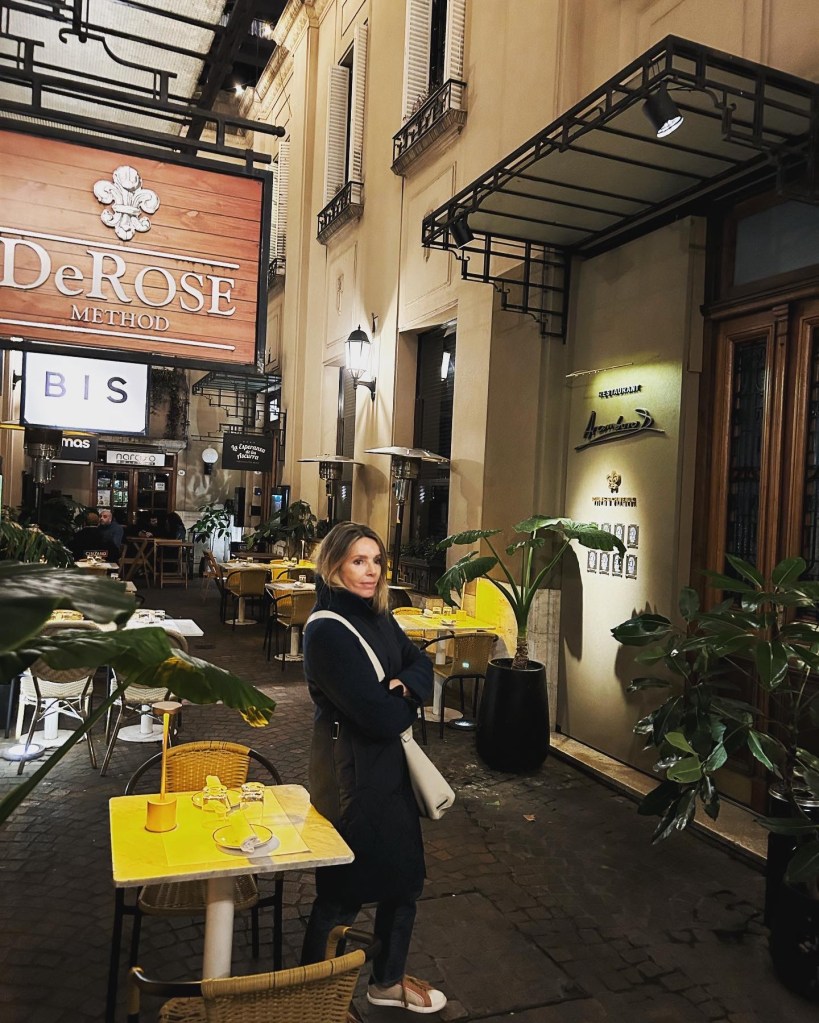
Uno de los secretos no muy conocidos en Recoleta es el Pasaje del Correo, ubicado en la calle Vicente Lopez entre Rodriguez Peña y Montevideo.
Este pasaje donde funcionaba el Correo y consistía en viviendas particulares, se fue transformando en locales comerciales.
Estudios de arte, teatro y diversos locales se suman a la oferta gastronómica de restaurantes como el reconocido ARAMBURU, de la cadena Chateau & Relais, el más descontracturado BIS y el Bar de tapas LA ESPERANZA DE AZCURRA al fondo.
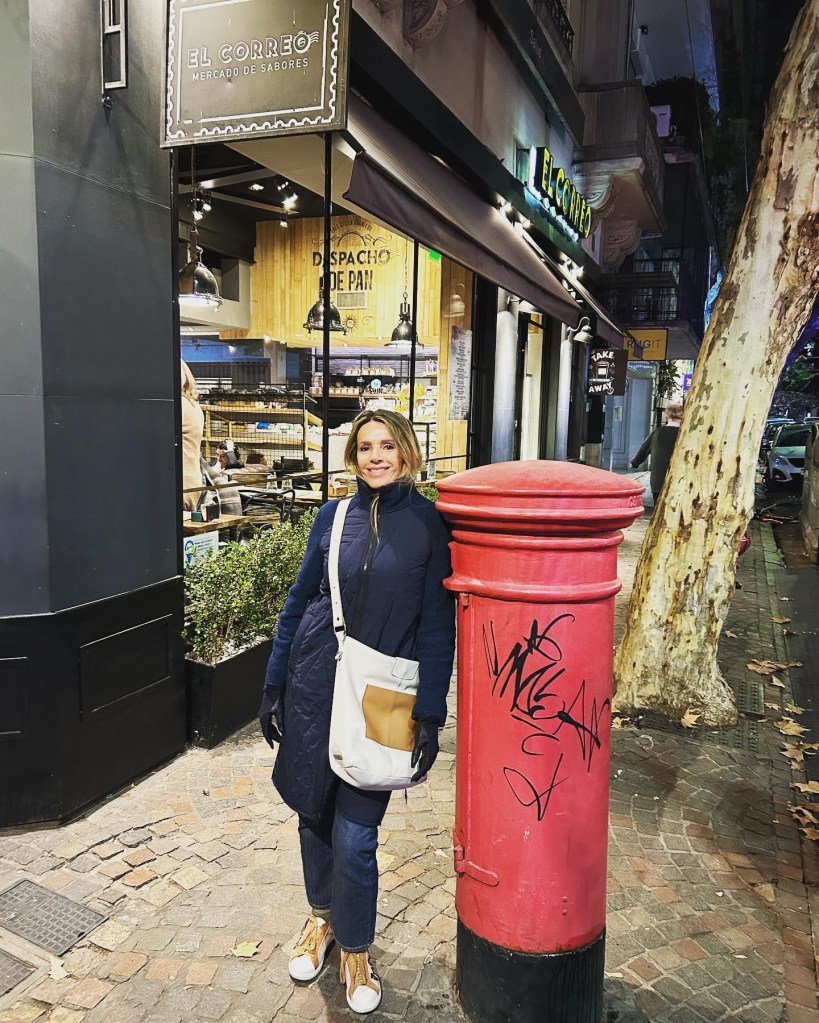
En la entrada está EL CORREO Mercado de Sabores que funciona durante todo el día.
Un lugar de Buenos Aires que no se pueden perder tanto de día como, principalmente, en la noche cuando vale la pena caminar la zona y la Plaza Vicente Lopez.
PASAJE DEL CORREO EN RECOLETA
One of the not well known secrets in Recoleta is the Pasaje del Correo, located on Vicente Lopez street between Rodriguez Peña and Montevideo.
This passage where the Post Office worked and consisted of private homes, was transformed into commercial premises.
Art studios, theater and various venues join the gastronomic offer of restaurants such as the renowned ARAMBURU, from the Chateau & Relais chain, the more relaxed BIS and the tapas bar LA ESPERANZA DE AZCURRA in the background.
At the entrance is EL CORREO Mercado de Sabores that operates throughout the day.
A place in Buenos Aires that cannot be missed both during the day and, mainly, at night when it is worth walking the area and Plaza Vicente Lopez.
ARAMBURU Y BIS EN PASEO DEL CORREO EN RECOLETAEL CORREO RESTÓ EN RECOLETA – MARÍA GRACIA INZAURRAGA
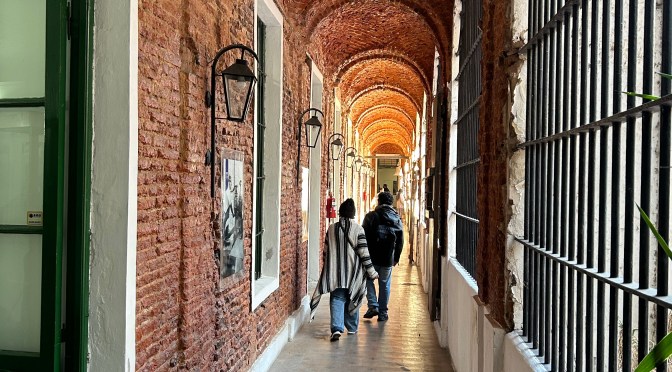
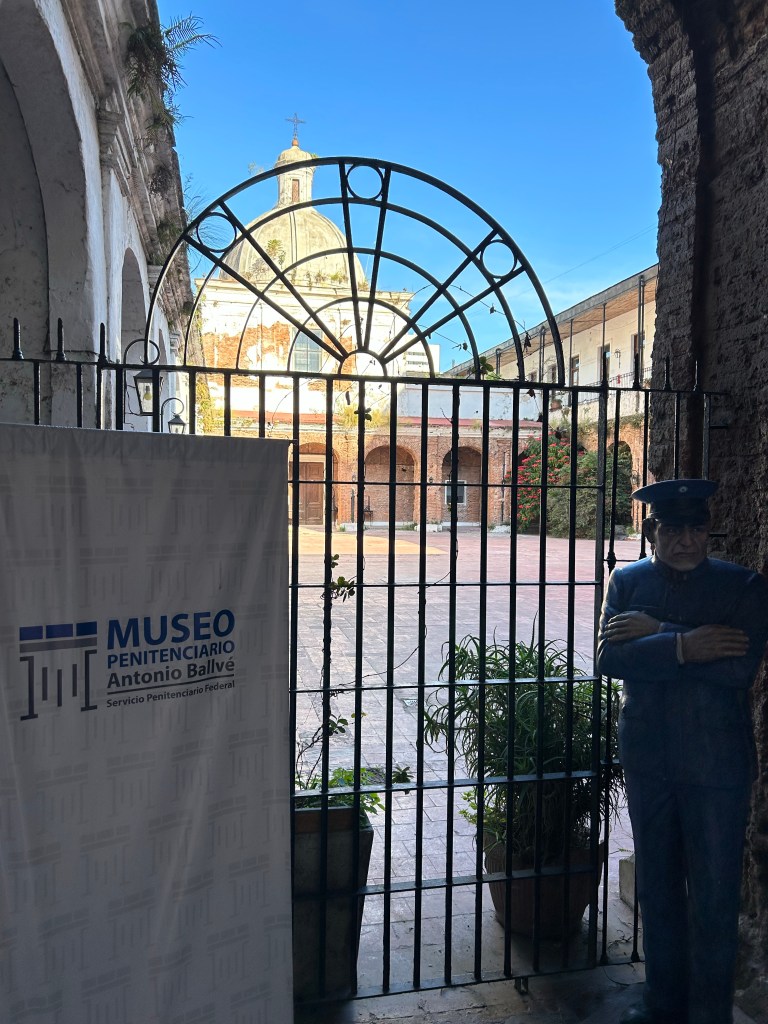
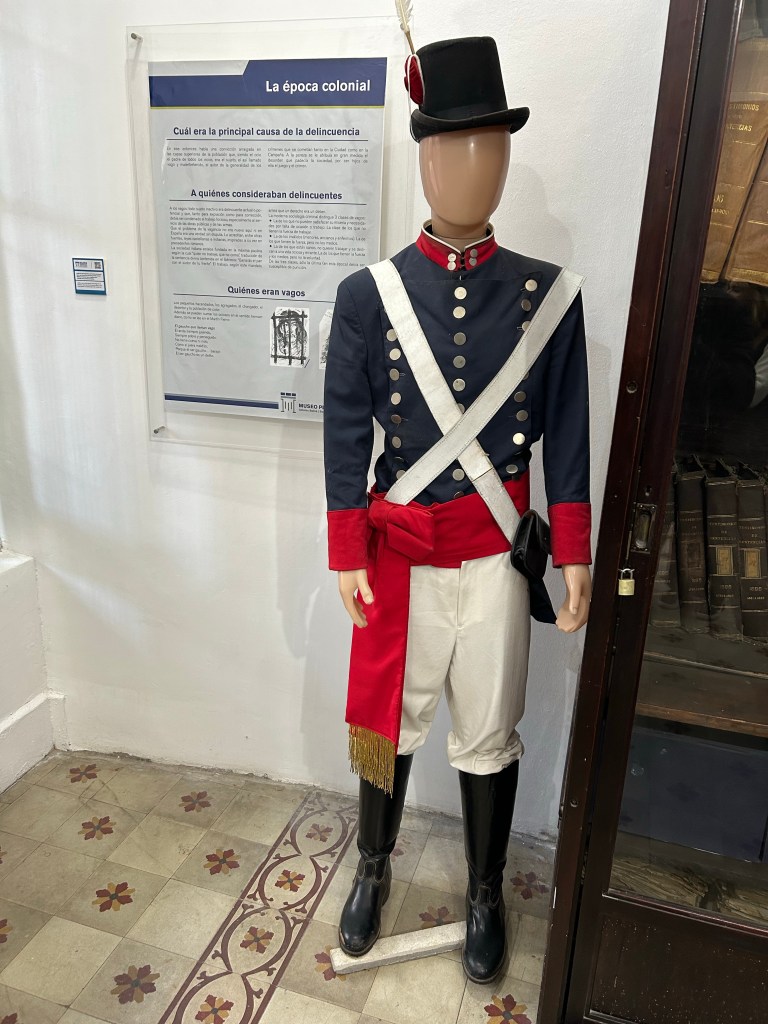
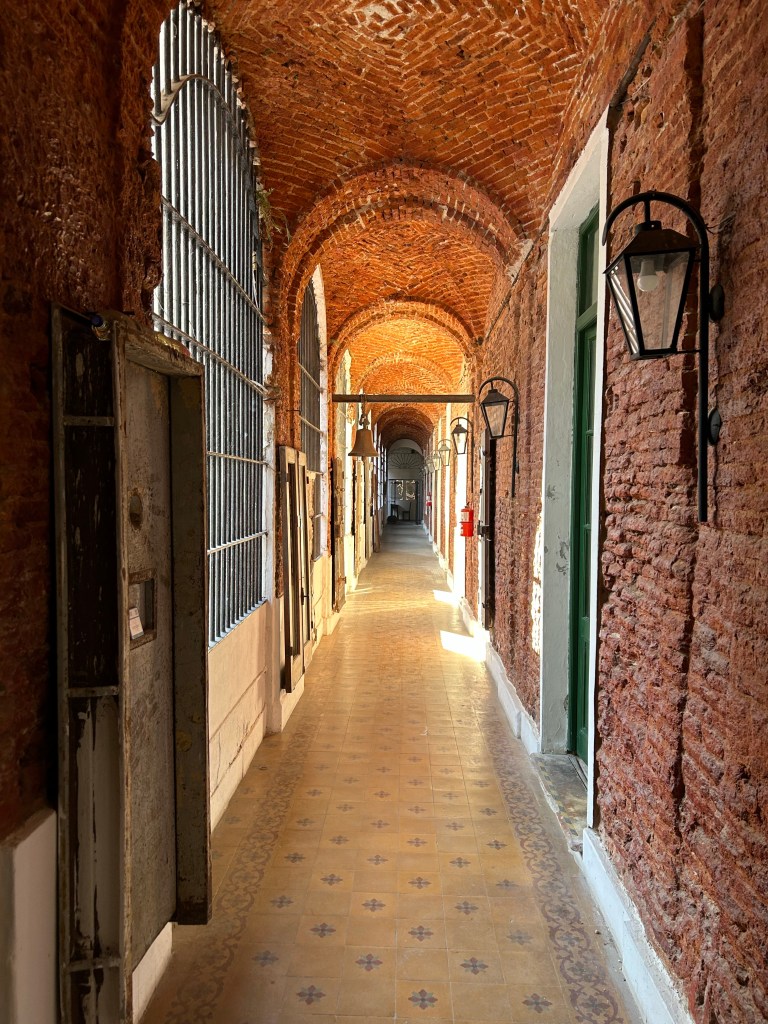
En San Telmo, sobre la calle Humberto I a pasos de la Plaza, se encuentra el Museo Penitenciario Argentino Antonio Ballvé, un lugar interesante para ver la historia del edificio que originalmente formó parte de la iglesia hasta que fue, progresivamente integrado al sistema penitenciario.
Imágenes, instrumentos, vestimenta y la historia del sistema carcelario con personajes que fueron leyenda en las noticias policiales, como el “petiso orejudo” hasta el encarcelamiento de las mujeres que integraron el parlamento en representación del peronismo en los años 50.
Antes de sumergirse en la Feria de San Telmo es una buena oportunidad de conocer este museo y conocer la otra cara de Buenos Aires.
Museo Penitenciario Argentino Antonio Ballvé
PRISON MUSEUM IN SAN TELMO
In San Telmo, on Humberto I street, a few steps from the Plaza, is the Antonio Ballvé Argentine Penitentiary Museum, an interesting place to see the history of the building that originally formed part of the church until it was progressively integrated into the penitentiary system.
Images, instruments, clothing and the history of the prison system with characters who were legends in police news, such as the «petiso orejudo» until the imprisonment of the women who made up the parliament representing Peronism in the 50s.
Before immersing yourself in the San Telmo Fair, it is a good opportunity to get to know this museum and get to know the other side of Buenos Aires.
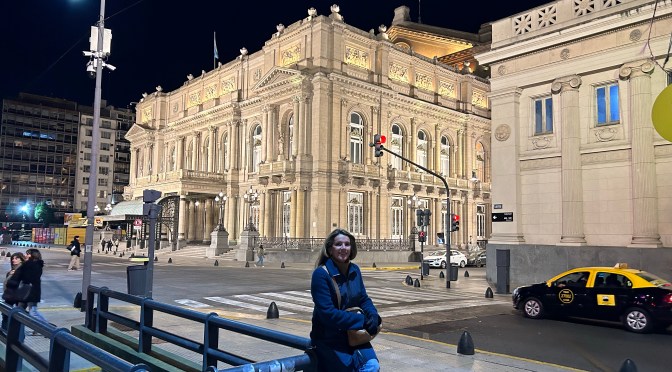
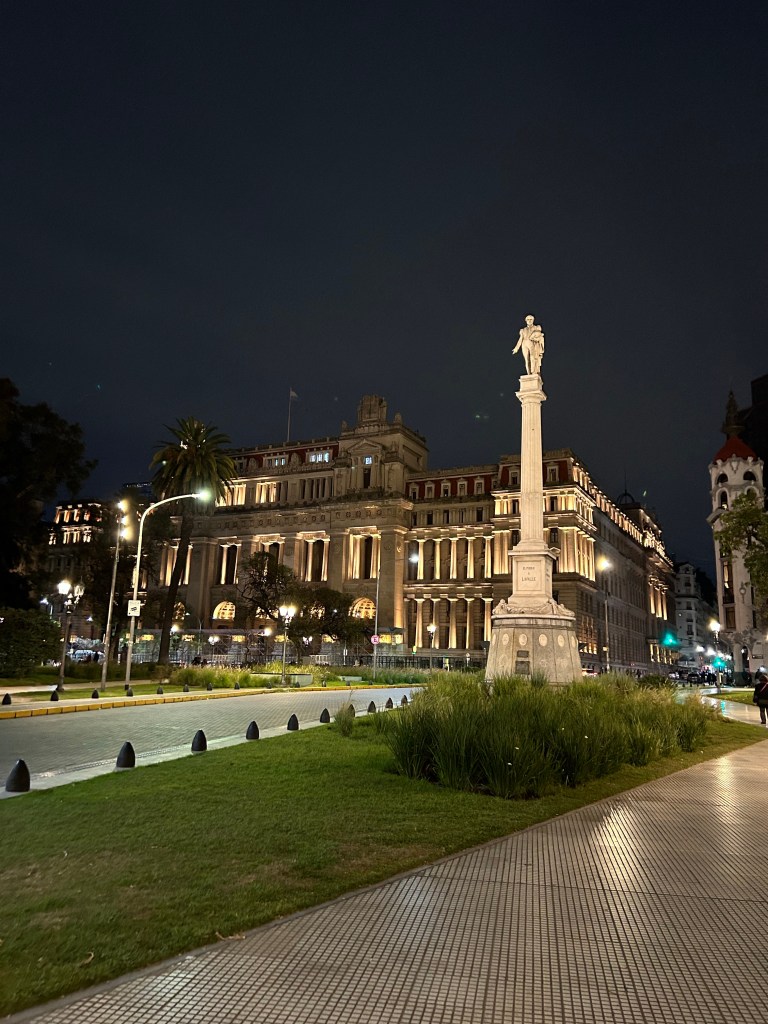
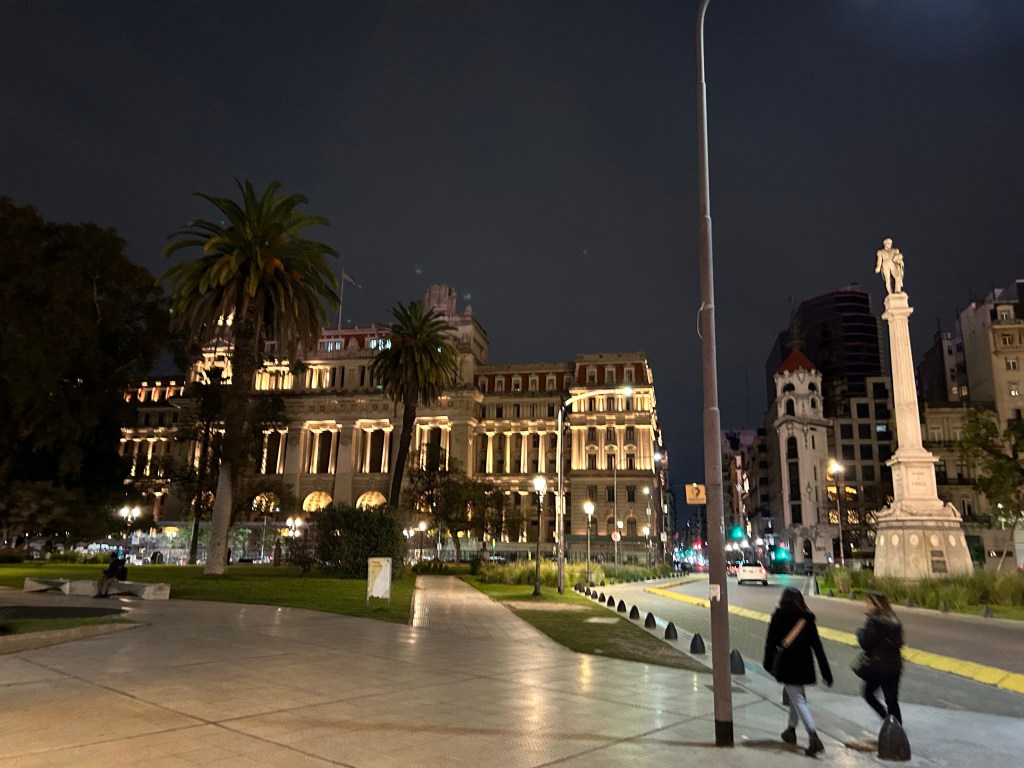
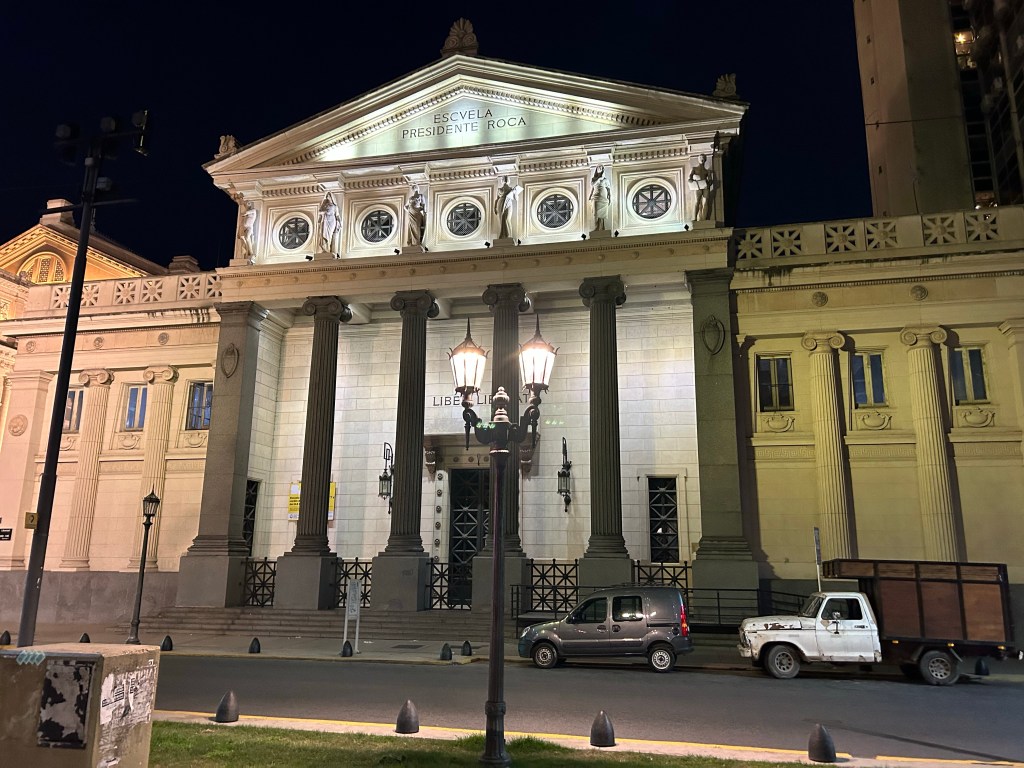
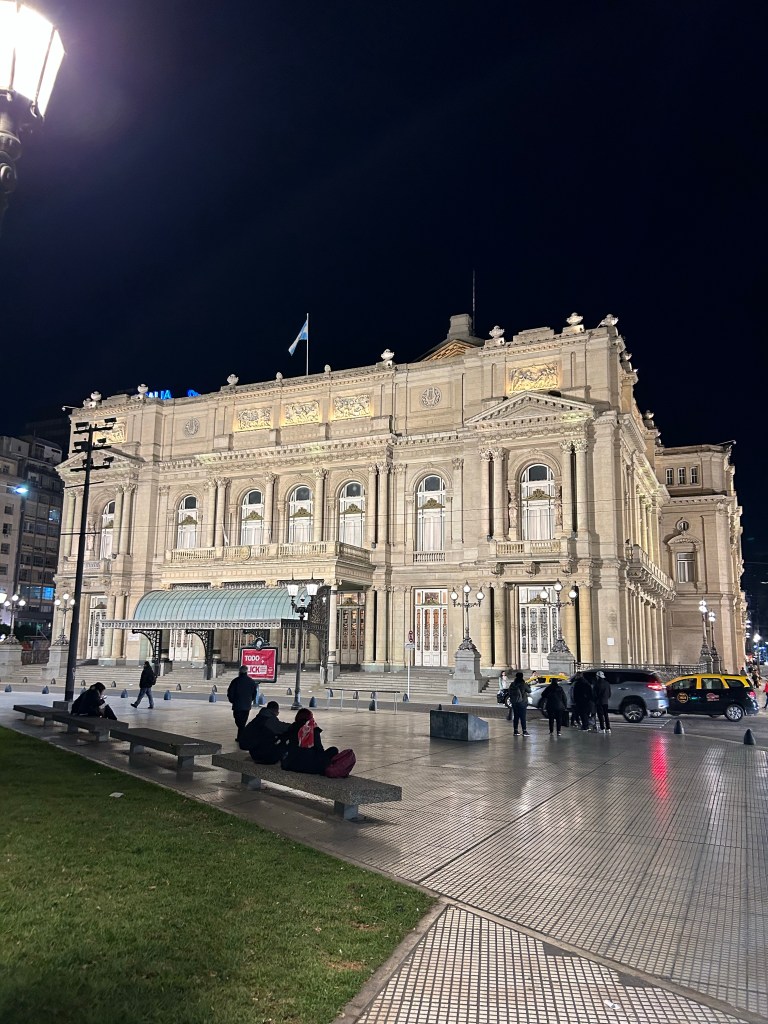
Caminar por la Plaza Lavalle es otra de las zonas que se parecen a Paris, sobretodo de noche cuando el juego de las luces y sombras le dan a los edificios que la rodean un imponente aspecto monumental.
El Palacio de Tribunales sobre Talcahuano, el Teatro Colón y la Escuela Presidente Roca sobre Libertad junto al monumento a Lavalle, entte otros edificios emblemáticos, como el Testro Nacional Cervantes, conforman un espacio ideal para caminar tranquilos y mirar los detalles.
Walking through Plaza Lavalle is another area that resembles Paris, especially at night when the play of light and shadow gives the surrounding buildings an imposing monumental appearance.
The Palacio de Tribunales on Talcahuano, the Teatro Colón and the Escuela Presidente Roca on Libertad next to the monument to Lavalle, among other emblematic buildings, such as the Testro Nacional Cervantes, make up an ideal space to walk quietly and look at the details.
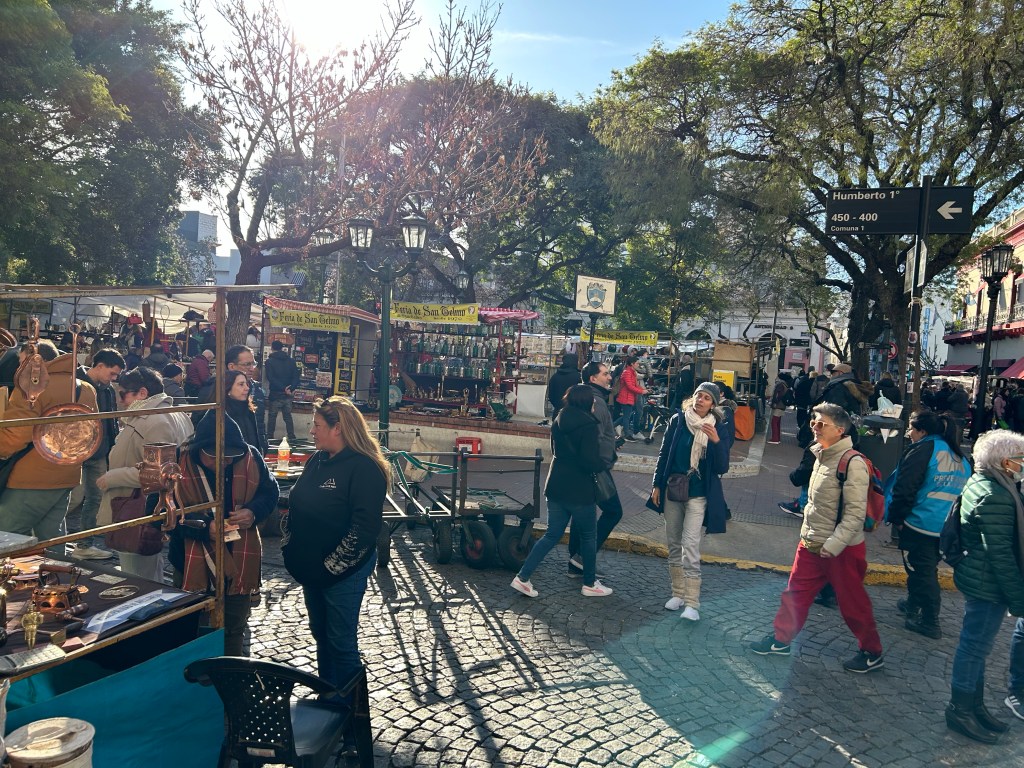
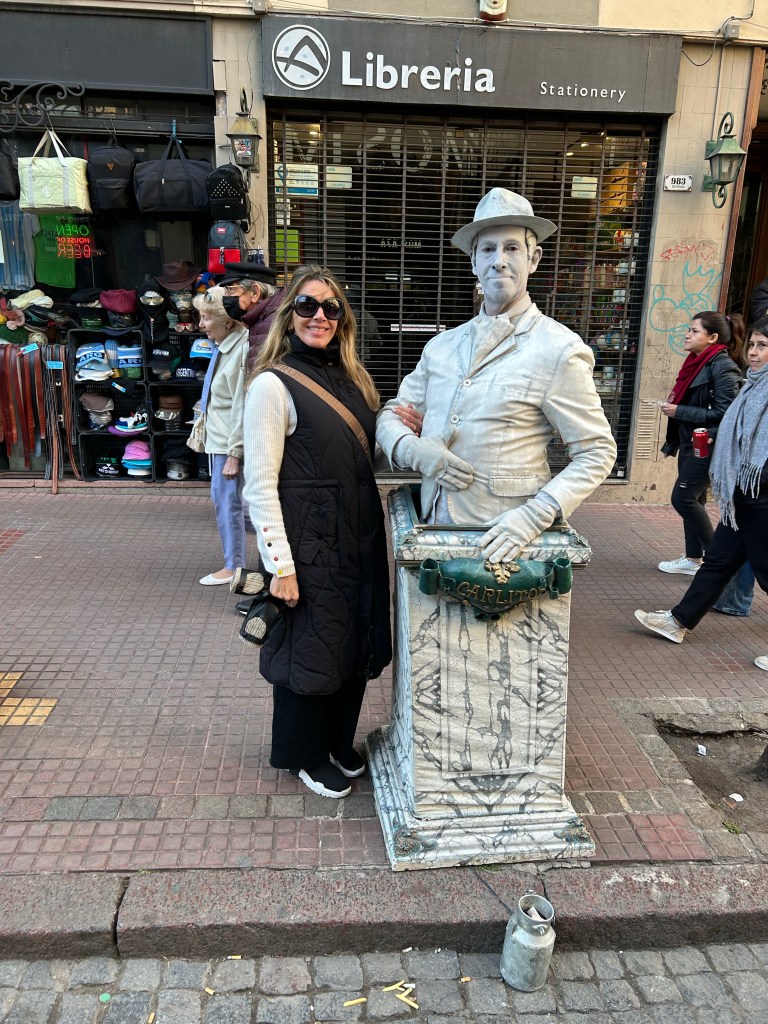
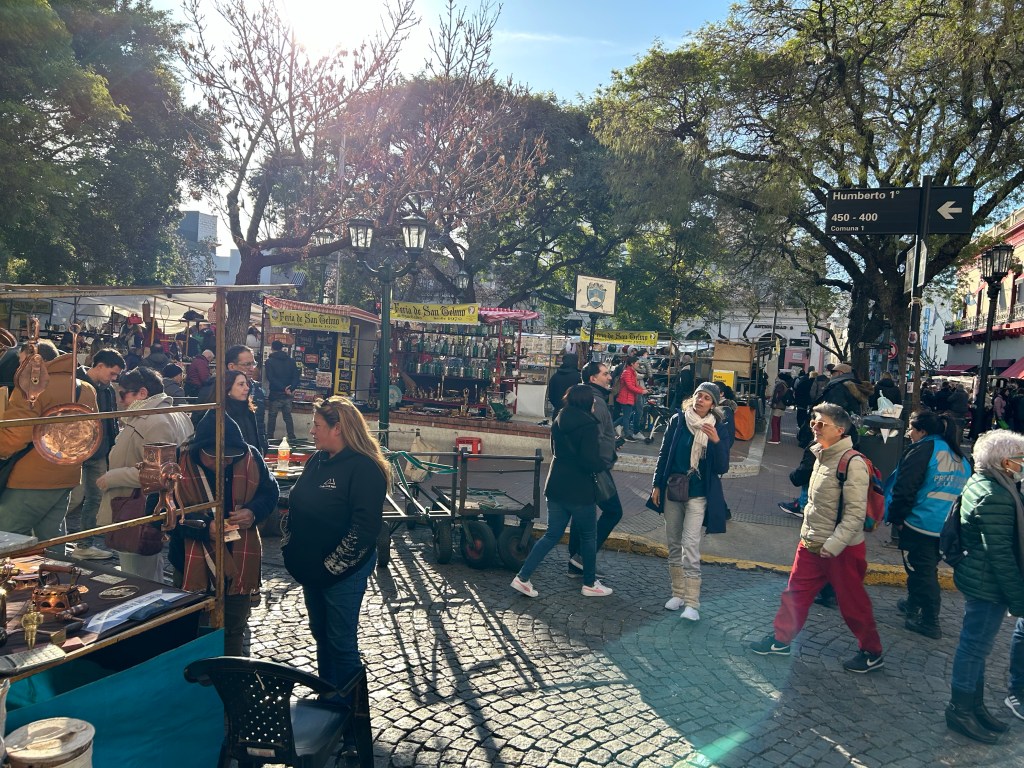
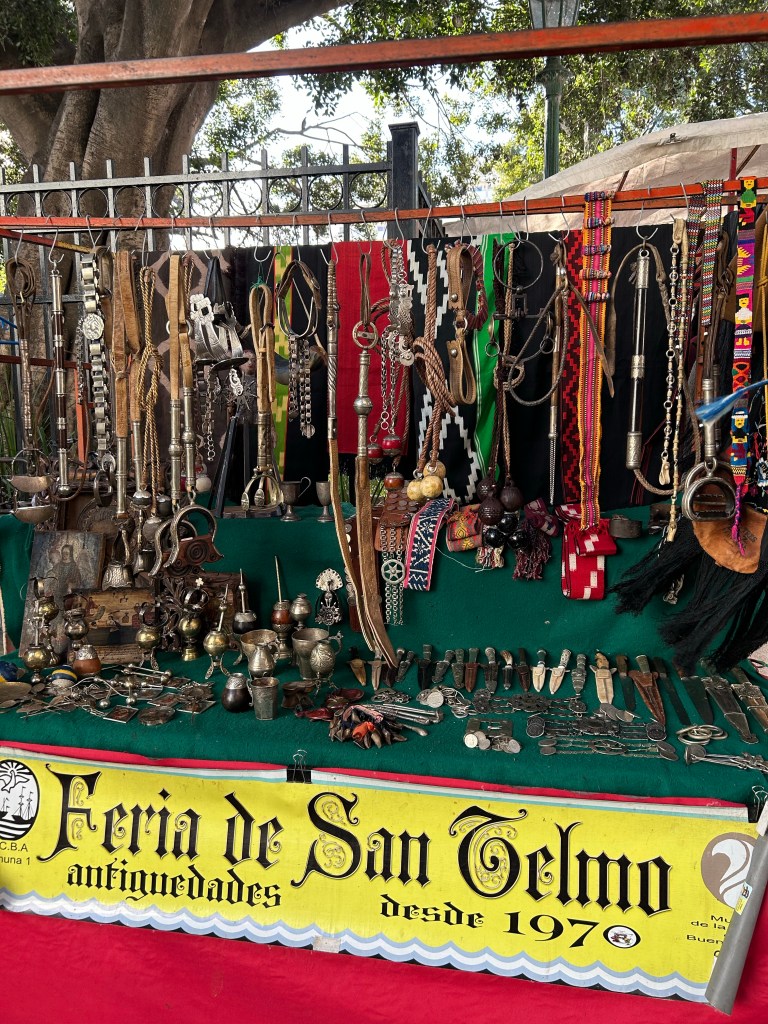
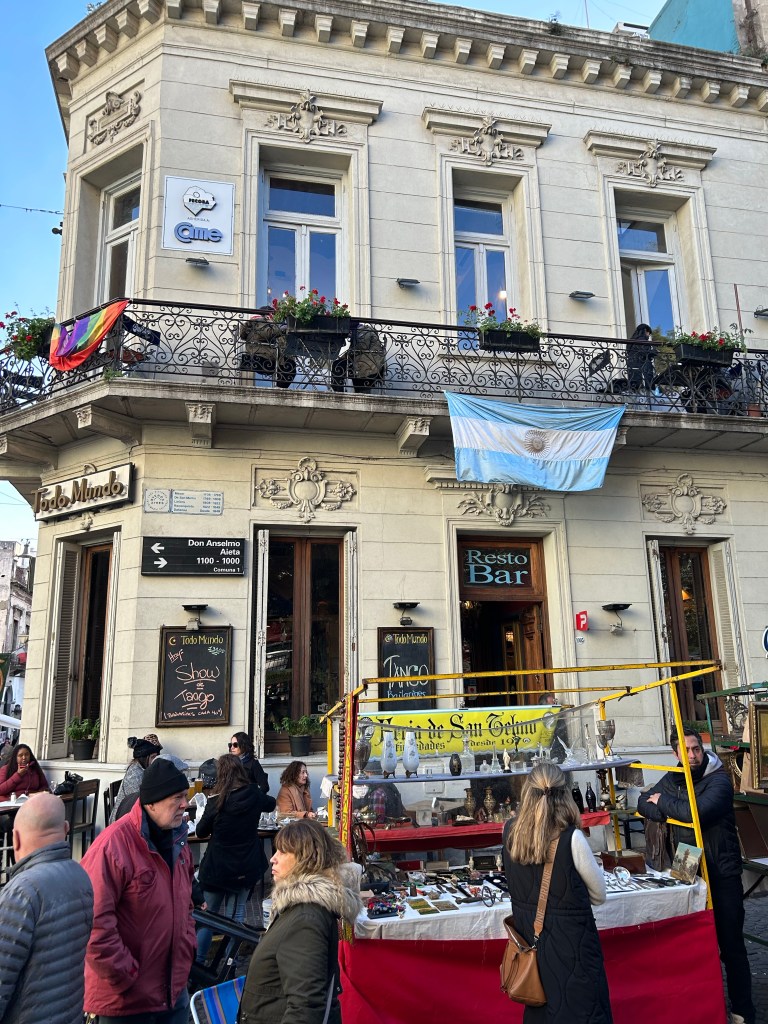
Los domingos son los días de la Feria de San Telmo, lugar donde innumerables puestos venden todo tipo de antigüedades, artesanías y todo tipo de objetos, constituyendo uno de los “flee market” más importantes del mundo.
Partiendo desde la plaza en la esquina de la calle Defensa y Humberto I, se difuminan cientos de puestos y locales que reúnen a miles de locales y turistas de todo el mundo.
Artistas callejeros de los más variados estilos y disciplinas dan el toque especial de esta feria así como los vendedores ambulantes o los locales de antigüedades y arte que están en los locales comerciales.
Sin duda la Feria de San Telmo es uno de los paseos imperdibles para los que. Estén algún domingo en Buenos Aires.
English version:
Sundays are the days of the San Telmo Fair, a place where innumerable stalls sell all kinds of antiques, crafts and all kinds of objects, constituting one of the most important «flee markets» in the world.
Starting from the square at the corner of Calle Defensa and Humberto I, hundreds of stalls and stores that gather thousands of locals and tourists from all over the world blur.
Street artists of the most varied styles and disciplines give the special touch to this fair, as well as the street vendors or the antique and art shops that are in the commercial premises.
Without a doubt, the San Telmo Fair is one of the must-see tours for those who. They are some Sunday in Buenos Aires..
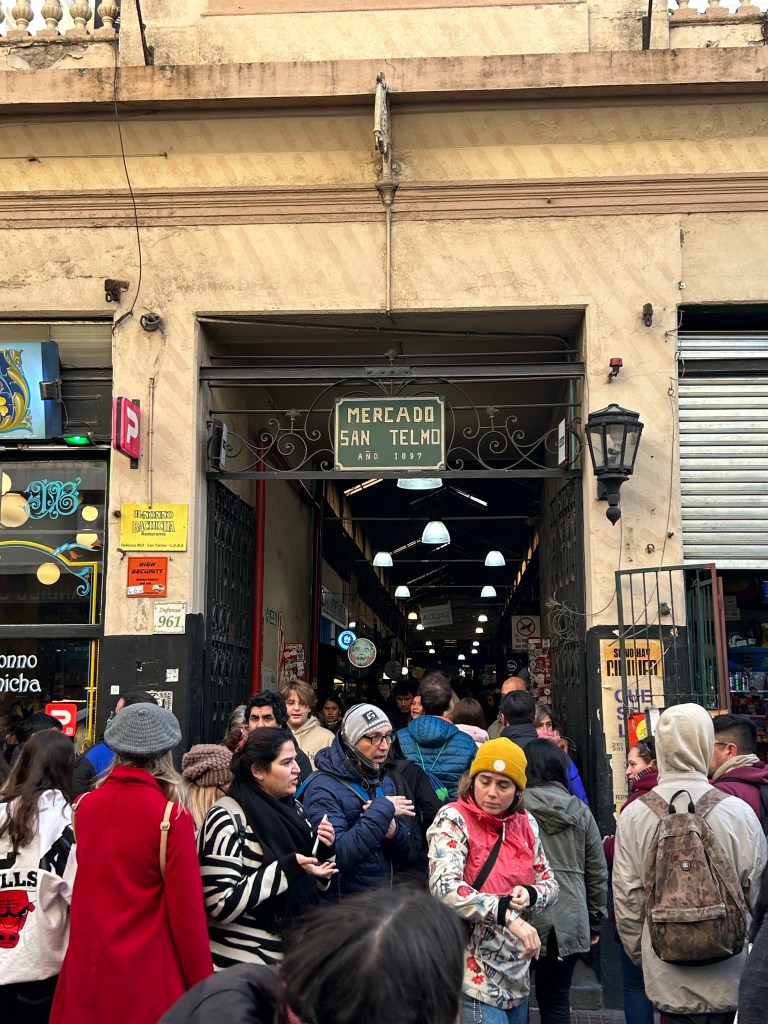
CARLITOS EN LA FERIA DE SAN TELMOFERIA DE SAN TELMOFERIA DE SAN TELMOFERIA DE SAN TELMOMERCADO DE SAN TELMO SOBRE LA CALLE DEFENSAFERIA DE SAN TELMO
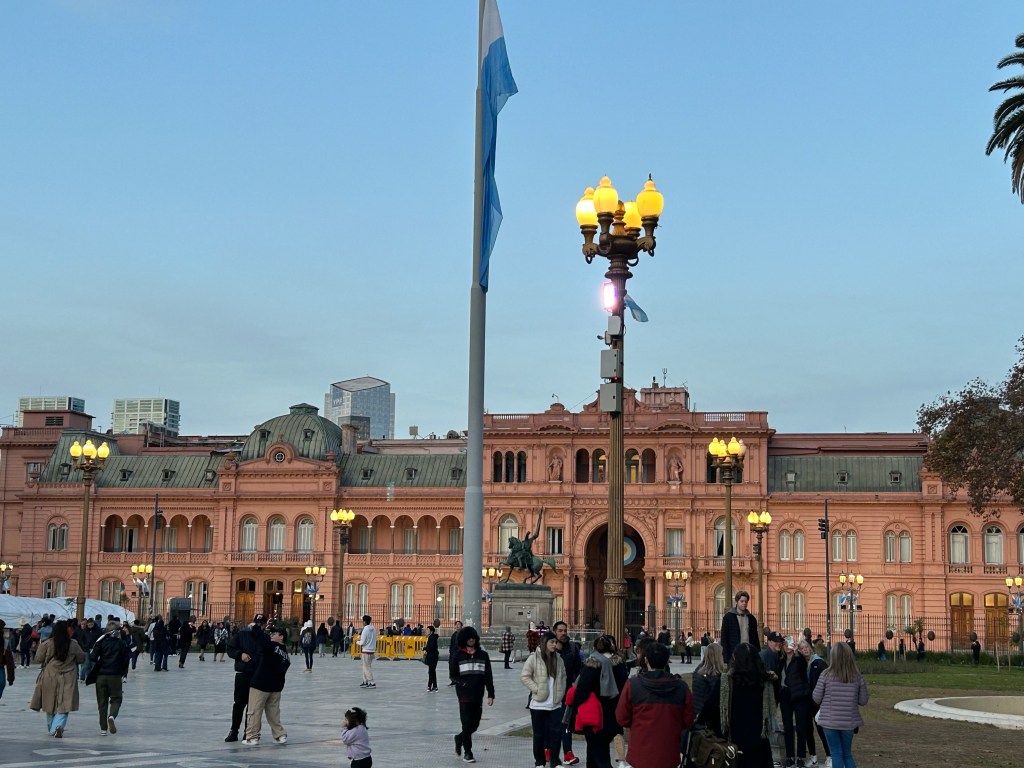
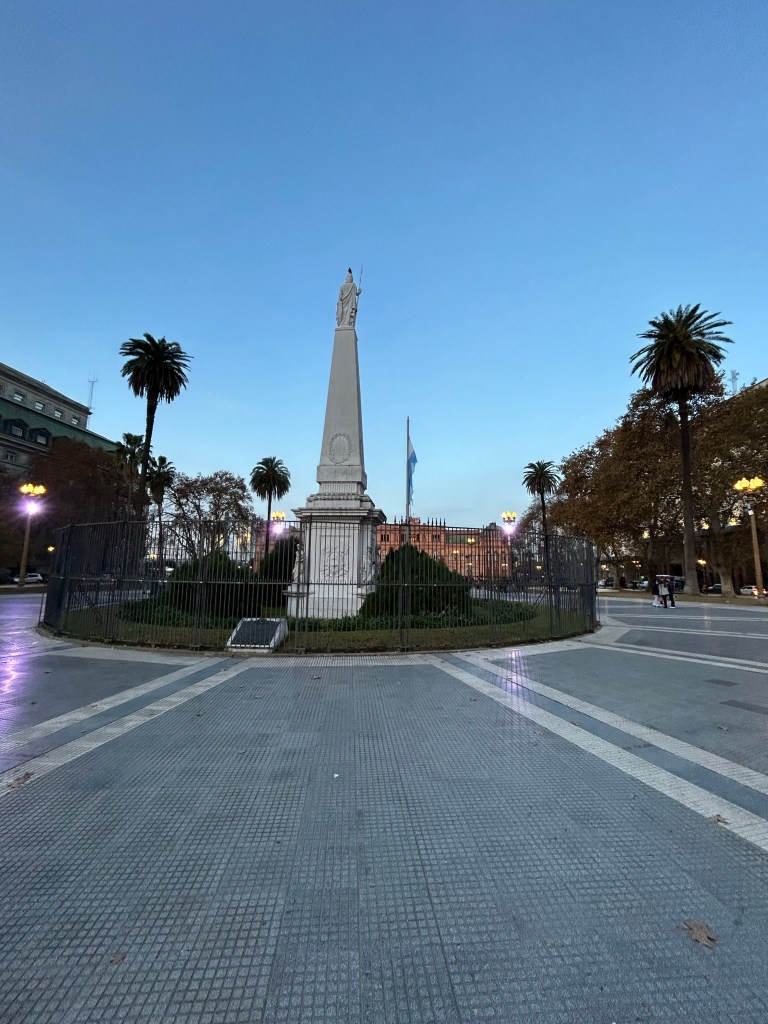
La Plaza de Mayo reúne los capítulos y símbolos más importantes de la historia argentina, siendo un punto ineludible para visitar con tiempo en la ciudad de Buenos Aires.
Desde la Revolución de Mayo de 1810 pasando por los bombardeos de la Revolución Libertadora de 1955, los actos multitudinarios por la recuperación de las Islas Malvinas o el retorno a la democracia con Raúl Alfonsin, sumados a ser la caja de resonancia de constantes eventos multitudinarios por reclamos sociales, esta Plaza es donde se puede respirar la historia y tradición argentina.
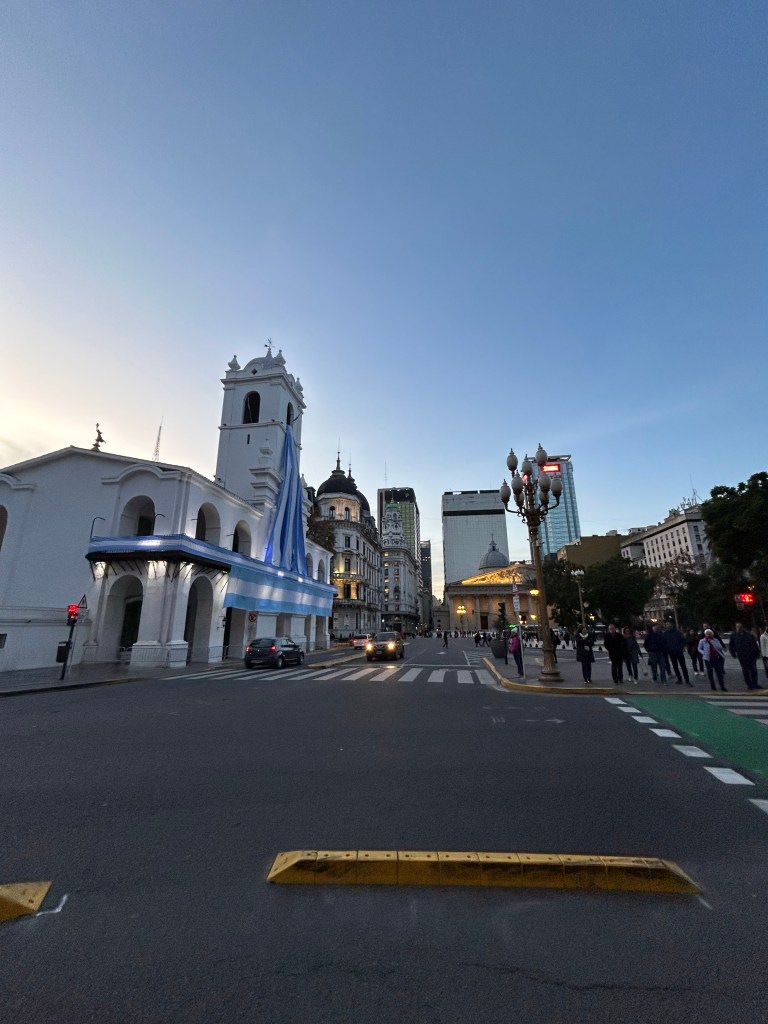
EL CABILDO EN PLAZA DE MAYO
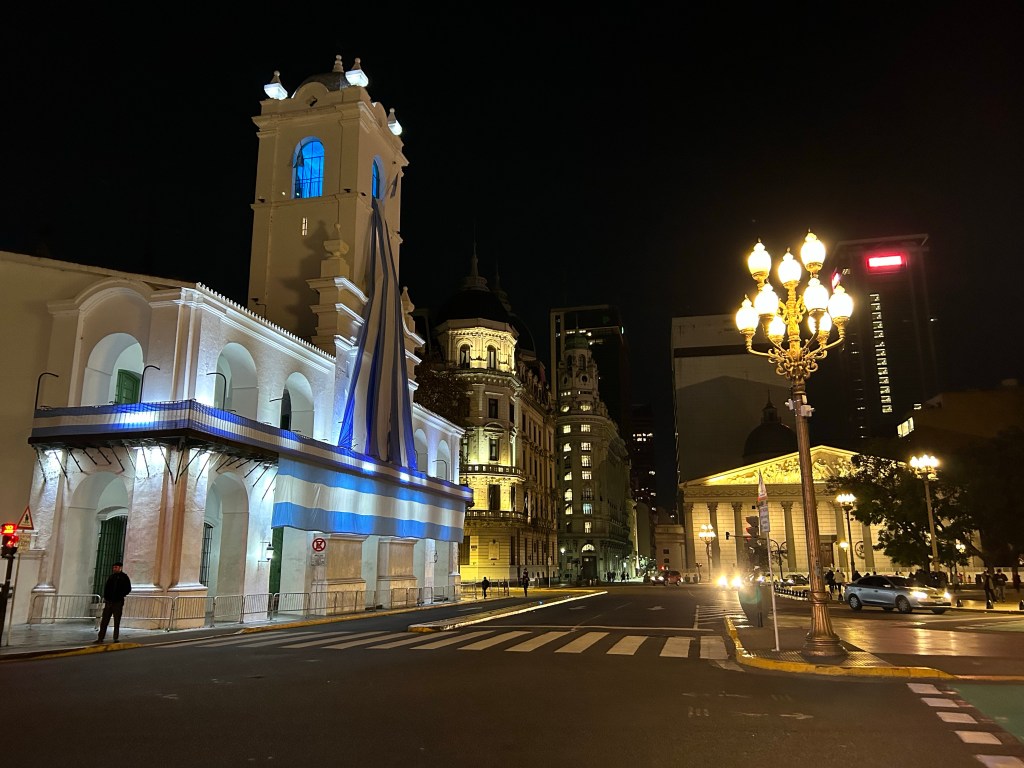
El Cabildo, donde se vivieron los capítulos más trascendentes de Argentina antes y después de su existencia como la Casa Rosada, desde donde se gobierna el Pais, son dos edificaciones que muestran las características arquitectónicas de cada época.
LA CATEDRAL EN PLAZA DE MAYO
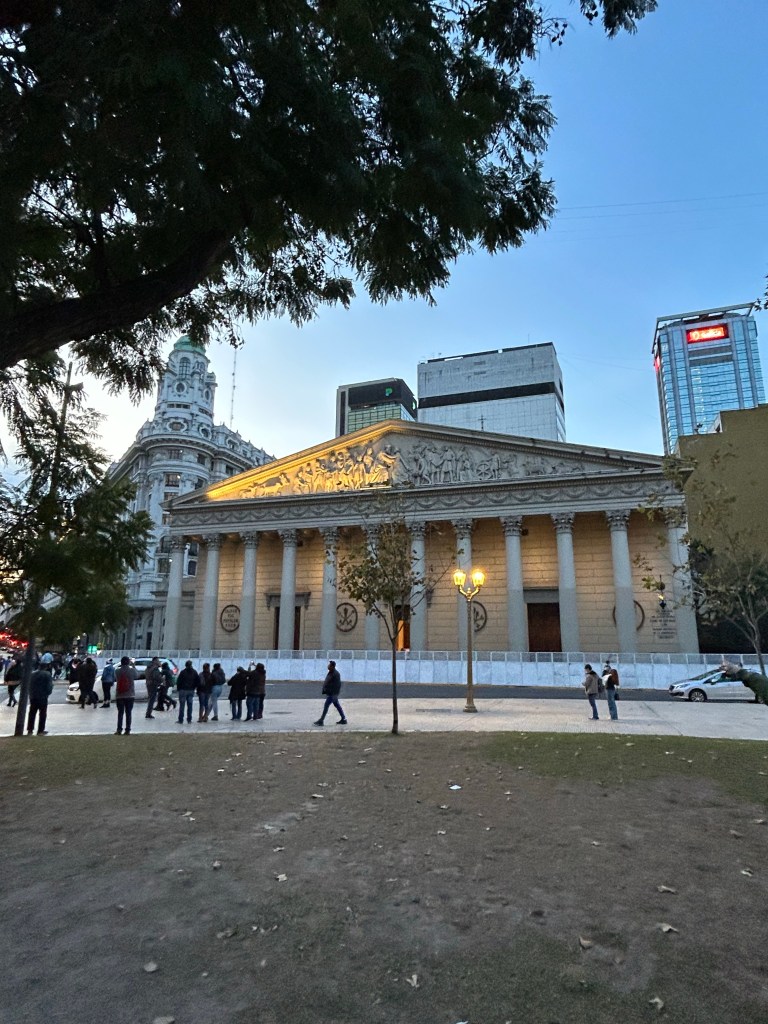
La Catedral de Buenos Aires es otro emblema del poder de la Iglesia en este país con su imponente edificación frente a la Plaza.
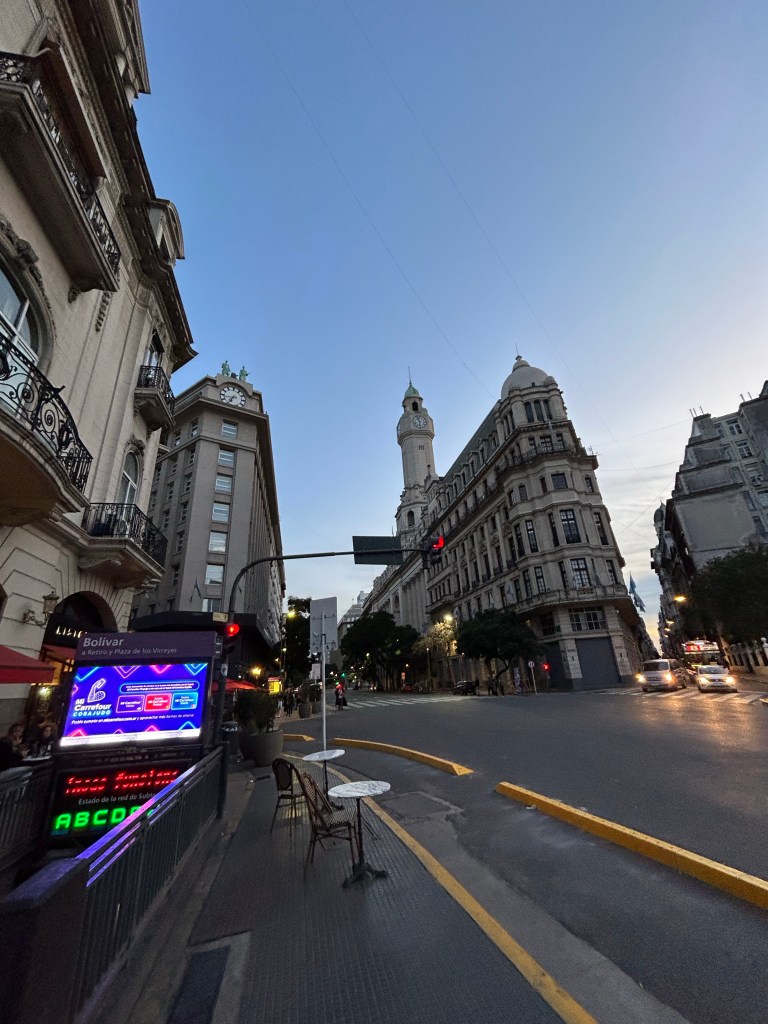
Capítulo aparte son todos los edificios de alrededor de principios siglo XX con una arquitectura y ornamentación propias de la belle epoque que se vivió en esta tierras..
Una zona donde se pueden ver las influencias francesas y españolas que inspiraron las construcciones a lo largo de la historia.
ALREDEDORES DE PLAZA DE MAYO
Una zona imperdible para ver con tranquilidad los detalles y a la vez con amplia perspectiva, para entender por qué Buenos Aires es una de las ciudades más espectaculares del mundo.
PLAZA DE MAYO
PLAZA DE MAYO WITH ALL THE ARGENTINE HISTORY
The Plaza de Mayo brings together the most important chapters and symbols of Argentine history, being an unavoidable point to visit in advance in the city of Buenos Aires. From the May Revolution of 1810 through the bombings of the Liberating Revolution of 1955, the massive acts for the recovery of the Malvinas Islands or the return to democracy with Raúl Alfonsin, added to being the sounding board of constant massive events by social demands, this Plaza is where you can breathe Argentine history and tradition.
The Cabildo, where the most transcendent chapters of Argentina lived before and after its existence as the Casa Rosada, from where the Country is governed, are two buildings that show the architectural characteristics of each era.
The Cathedral of Buenos Aires is another emblem of the power of the Church in this country with its imposing building in front of the Plaza.
A separate chapter are all the buildings from around the early 20th century with architecture and ornamentation typical of the belle epoque that lived in this land. An area where you can see the French and Spanish influences that inspired the constructions throughout history.
An unmissable area to calmly see the details and at the same time with a broad perspective, to understand why Buenos Aires is one of the most spectacular cities in the world.
CABILDO EN PLAZA DE MAYO Y EL CO TRASTE CON LO MODERNOCABILDO Y CATEDRAL DE PLAZA DE MAYO A LA NOCHE
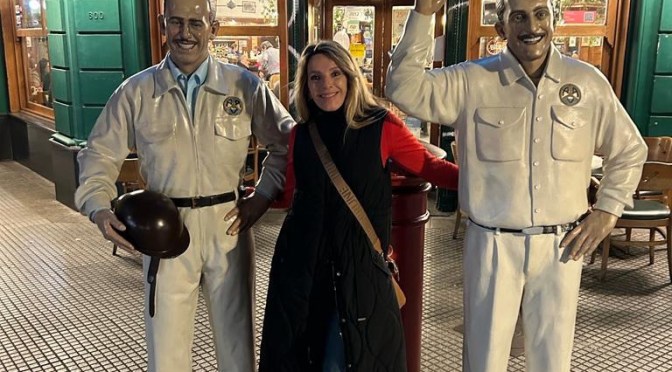
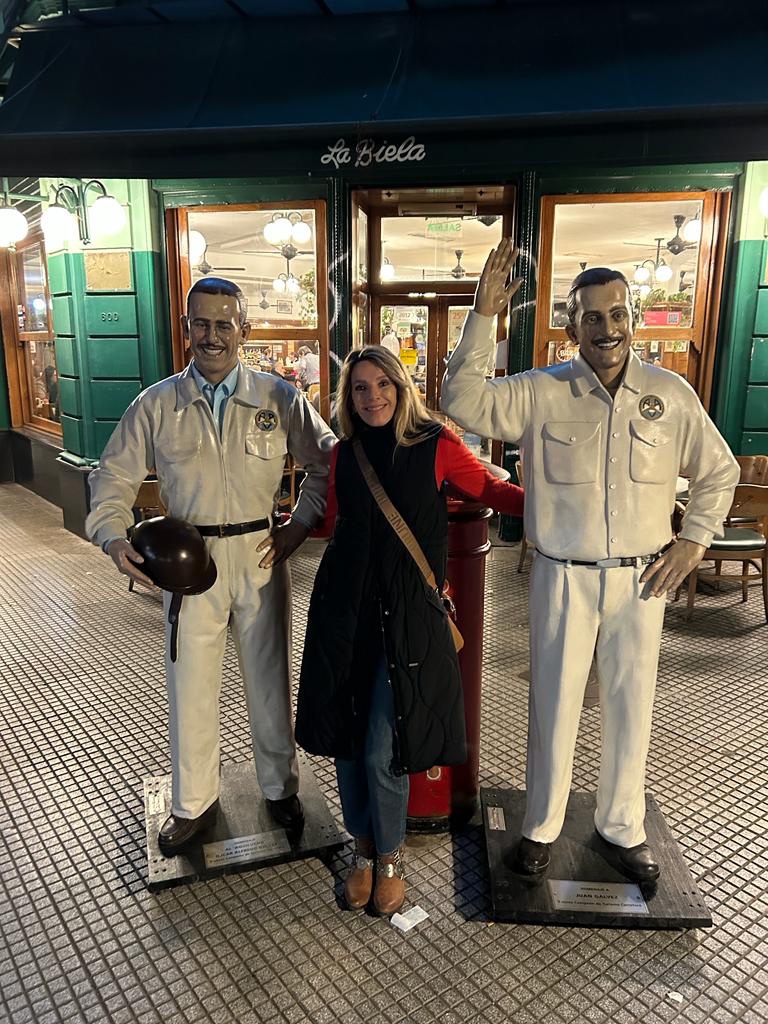
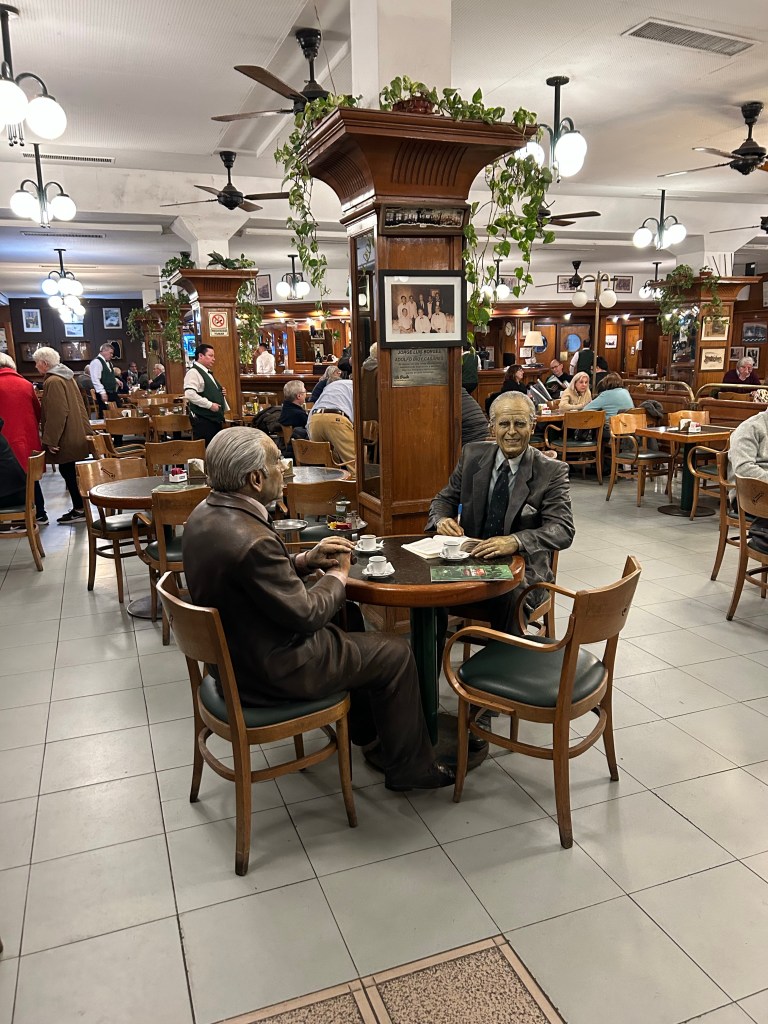
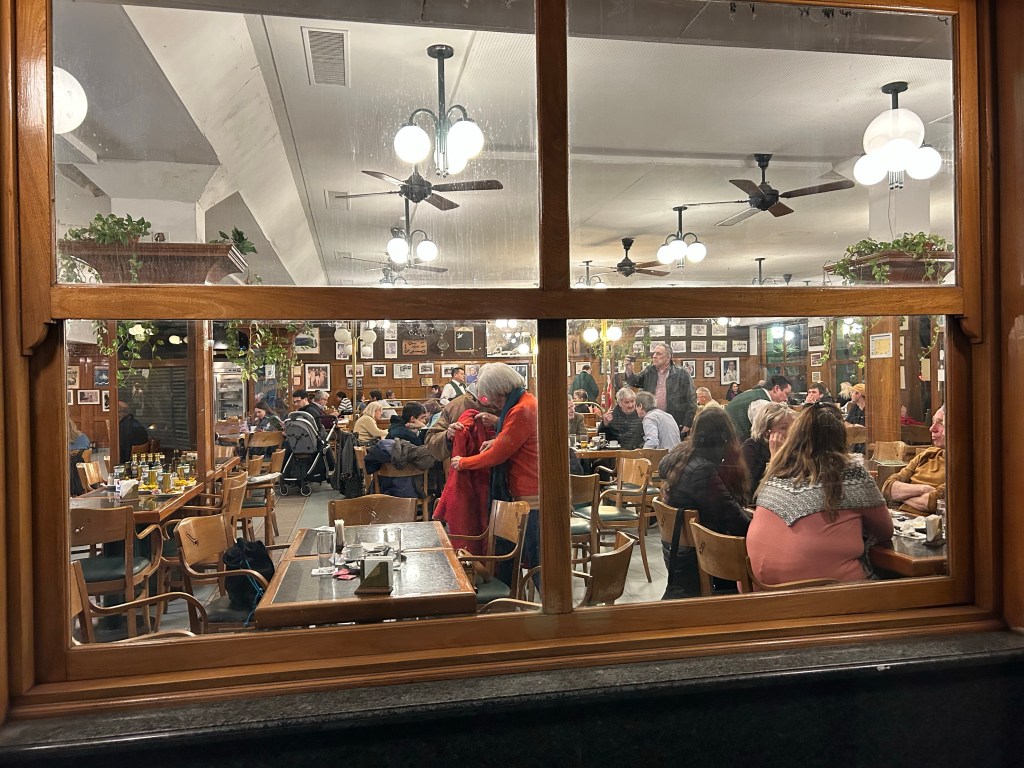
Quien estando en Buenos Aires no ha pasado o ha entrado por un café o una medialuna a “La Biela” el bar más famoso de Buenos Aires? Siempre vigente por su increíble ubicación, la amabilidad de su personal y por las miles de visitas de turistas y locales que lo ven como una parada ineludible a la hora de visitar lugares ilustres. No solo de turistas se nutre, también fue un lugar visitado por famosos escritores locales como Borges y Bioy Casares y de personalidades famosas del automovilismo deportivo mundial, como Juan Manuel Fangio y los hermanos Oscar y Juan Gálvez ganadores de varios premios en el Turismo Carretera. Como homenaje a estos grandes corredores, la confitería colocó sus estatuas en la vereda, que invitan a todo el que quiera a sacarse una foto y conocer un ícono de la Recoleta.
BORGES Y BIOY CASARES en LA BIELALA BIELA EN RECOLETA
LA BIELA, A CLASSIC OF LA RECOLETA
By Maria Gracia Inzaurraga
Who, while in Buenos Aires, has not passed or entered for a coffee or a croissant at «La Biela» the most famous bar in Buenos Aires?
Always current due to its incredible location, the friendliness of its staff and the thousands of visits from tourists and locals who see it as an unavoidable stop when visiting famous places.
Not only is it fed by tourists, it was also a place visited by famous local writers such as Borges and Bioy Casares and famous personalities from world motorsports, such as Juan Manuel Fangio and the brothers Oscar and Juan Gálvez, winners of several Road Tourism awards.
As a tribute to these great runners, the confectionery placed their statues on the sidewalk, which invite anyone who wants to take a photo and get to know an icon of Recoleta.
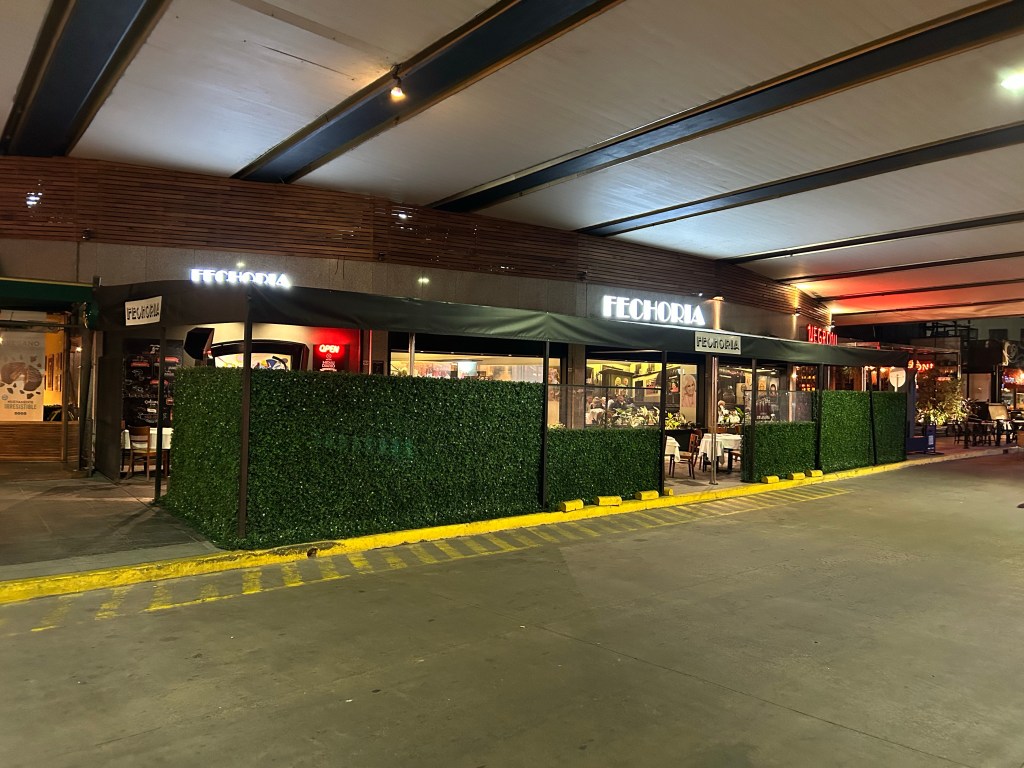
FECHORÍA presenta su tradicional buena cocina que lo hizo popular entre la farándula porteña.
FECHORÍA
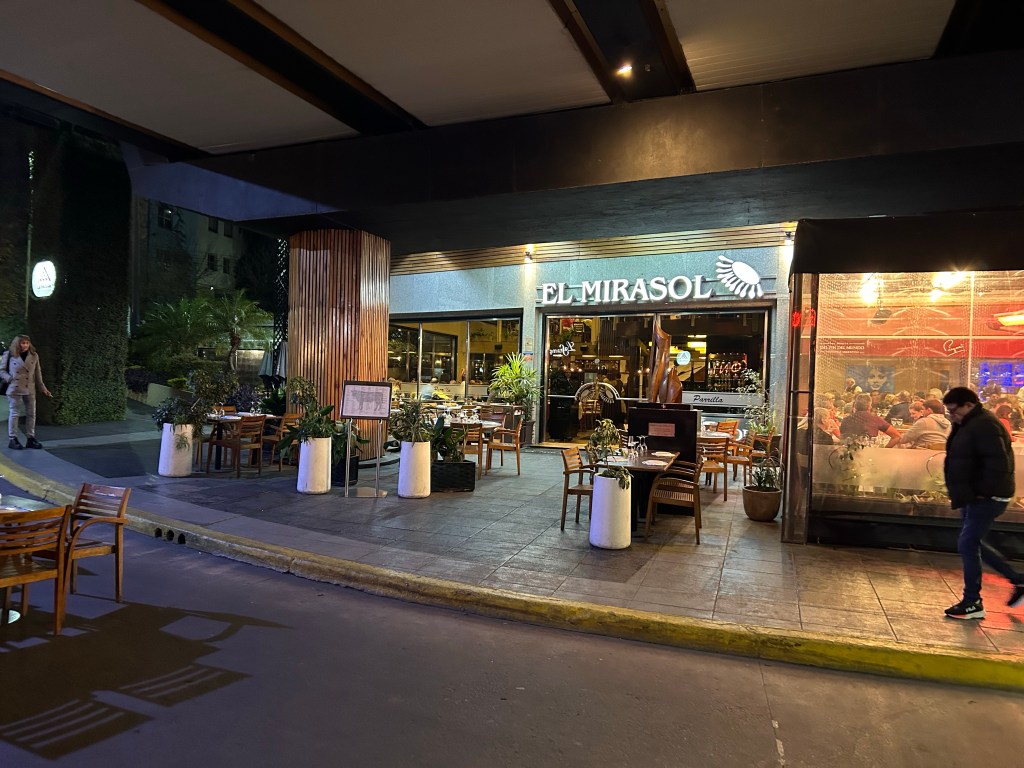
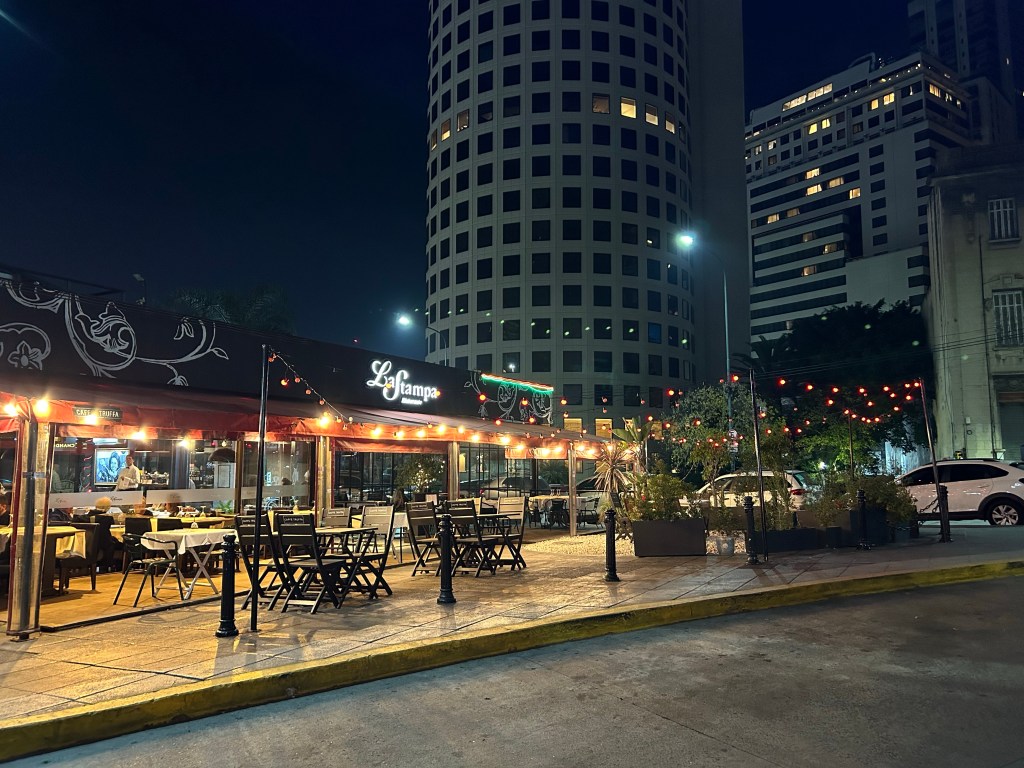
EL MIRASOL es otra de las más tradicionales parrillas de Buenos Aires que no se pueden perder. @lastampa.ristorante con sus pastas y pizzas es otra opción para pasarla bien en Recoleta.
EL MIRASOL
LA STAMPA con sus tradicionales pastas y pizzas es un clásico de la gastronomía porteña que atrae a todos los públicos.
LA STAMPA en RECOLETA
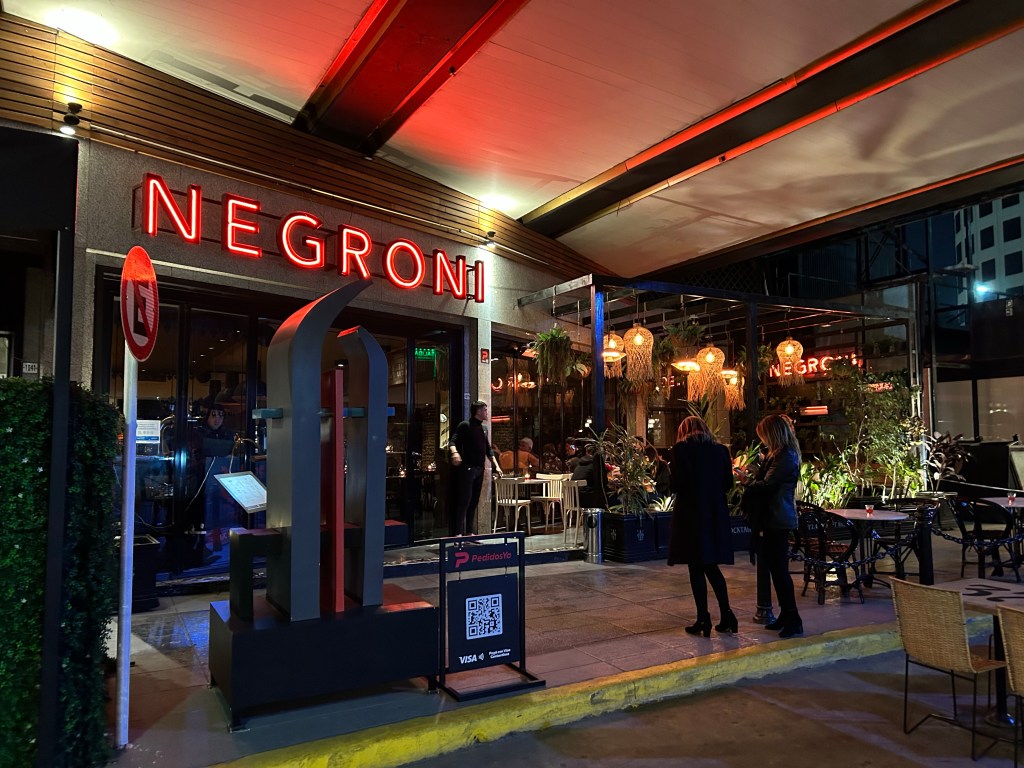
NEGRONI es el bar de la RECOVA con sus reconocidos tragos y tapas durante toda la noche.
NEGRONI
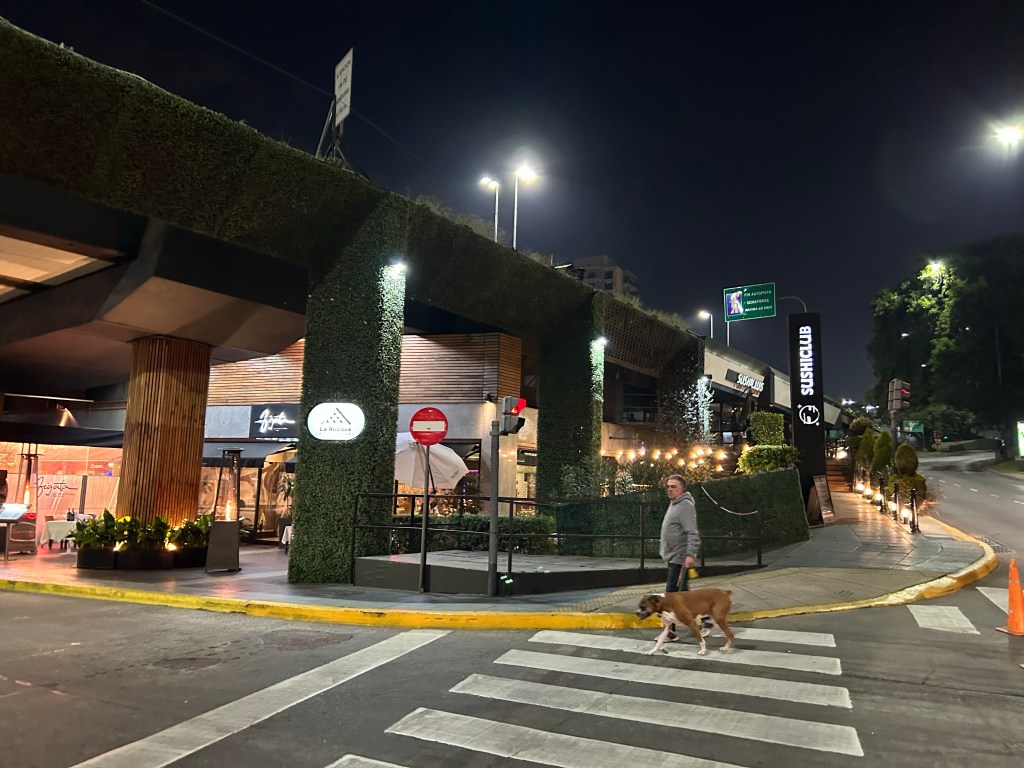
SUSHICLUB es la opción sushi de la zona con sus clásicos de comida japonesa y fusión.
SUSHICLUB Y FIGATA
FIGATA RESTAURANT ofrece una variedad de platos interesantes para todos.
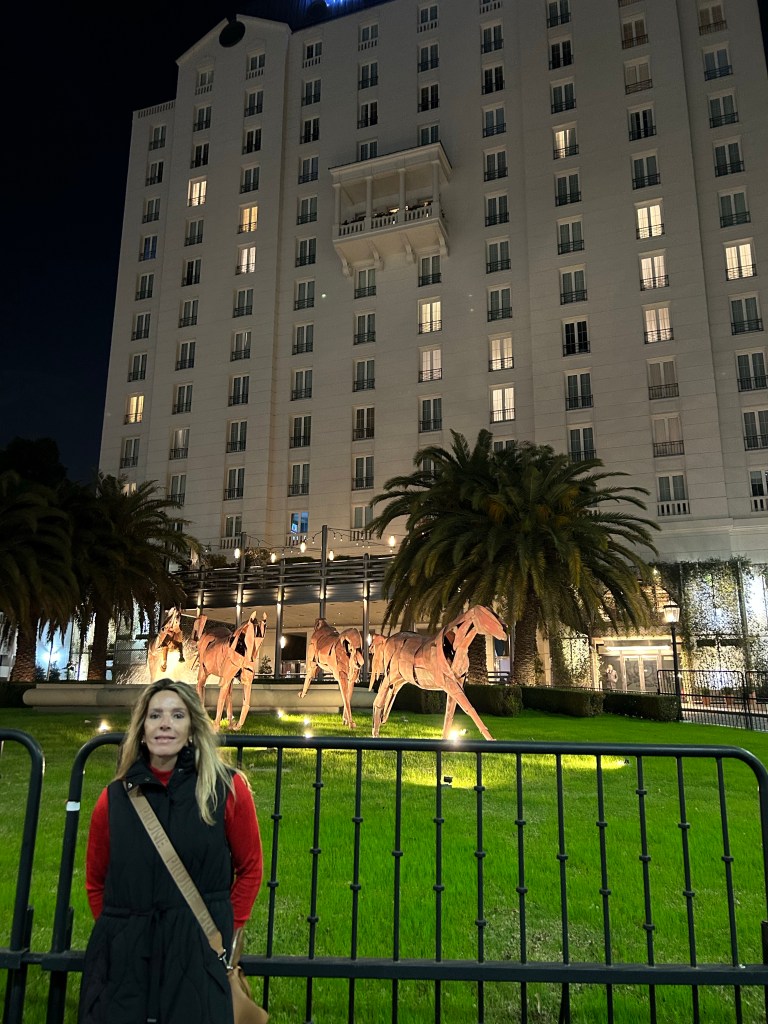
En el Hotel FOUR SEASONS esta el restaurante ELENA con su excelente carta internacional, con excelentes carnes, NUESTRO SECRETO con su parrilla en los jardines de la mansión y PONY LINE para cerrar la noche con buena música y sus famosos tragos.
ELENA Y PONY BAR EN FOUR SEASONS EN RECOLETA
Por ello la RECOVA de la Recoleta es un imperdible de Buenos Aires.
LA RECOVA DE RECOLETA AND ITS OPTIONS TO EAT AND DRINK
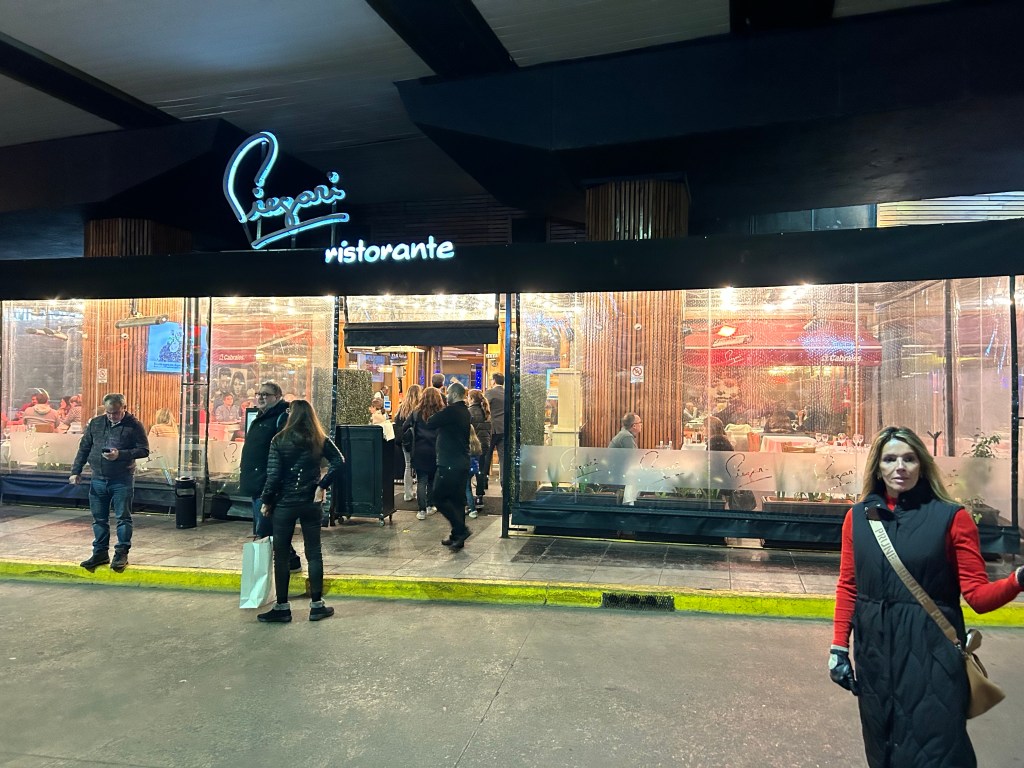
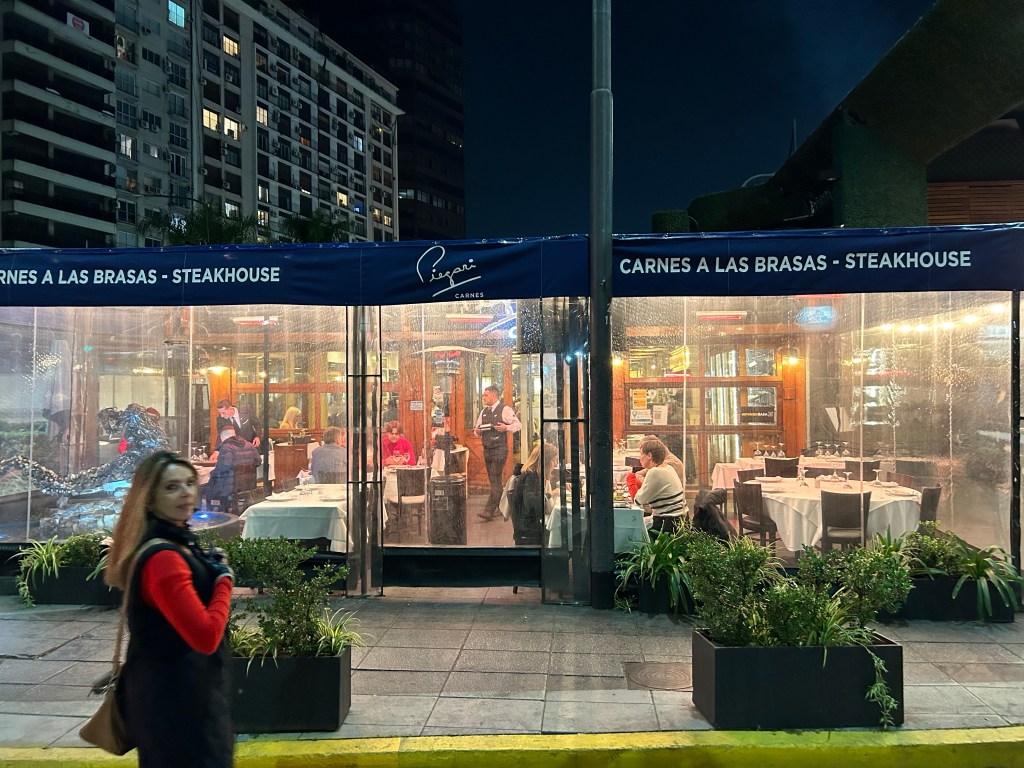
LA RECOVA DE POSADAS, in Recoleta, brings together several of the best restaurants in Buenos Aires in one place.
PIEGARI with its traditional pasta is an unavoidable point to get to know the best of the traditional Argentine gastronomic culture. In front, for those who like grilling, is PIEGARI CARNES, with the same level of service and attention.
FECHORÍA presents his traditional good cuisine that made him popular among the Buenos Aires show business.
EL MIRASOL is another of the most traditional grills in Buenos Aires that cannot be missed.
LA STAMPA with their pastas and pizzas is another option to have a good time in Recoleta.
NEGRONI is the RECOVA bar with its renowned drinks and tapas throughout the night.
SUSHICLUB is the sushi option in the area with its Japanese and fusion food classics.
FIGATA RESTAURANT offers a variety of interesting dishes for everyone.
At the FOUR SEASONS Hotel is the ELENA restaurant with its excellent international menu and PONY LINE to close the night with good music and its famous drinks.
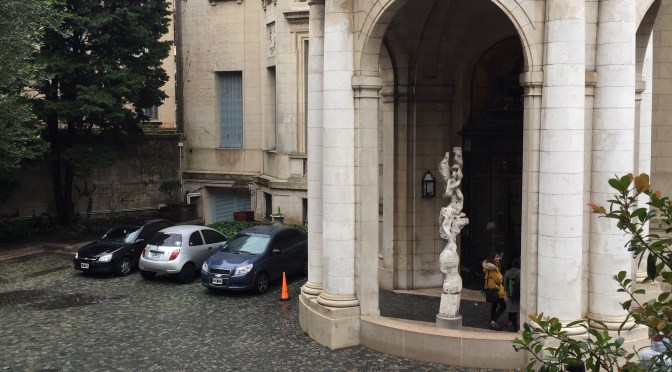
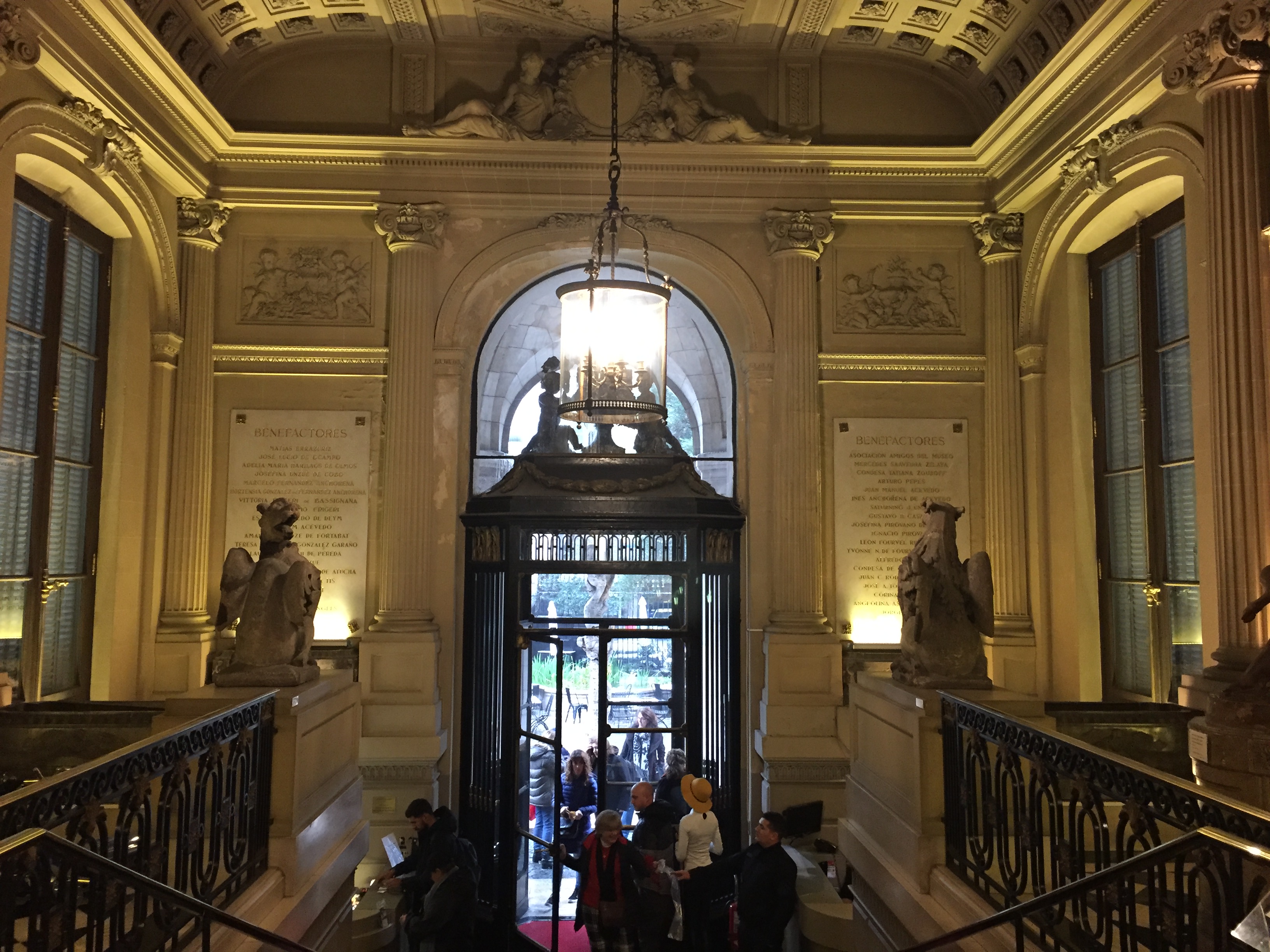
El Museo Nacional de Arte Decorativo es uno de esos lugares donde se puede apreciar la Belle Epoque del Buenos Aires de principios del siglo XX.
En este palacio ubicado en la Avenida del Libertador se creo en 1937 este museo luego de la adquisición, por parte del Estado, del edificio que fuera el palacio Errázuriz de Matías Errázuriz Ortúzar y su esposa Josefina de Alvear.
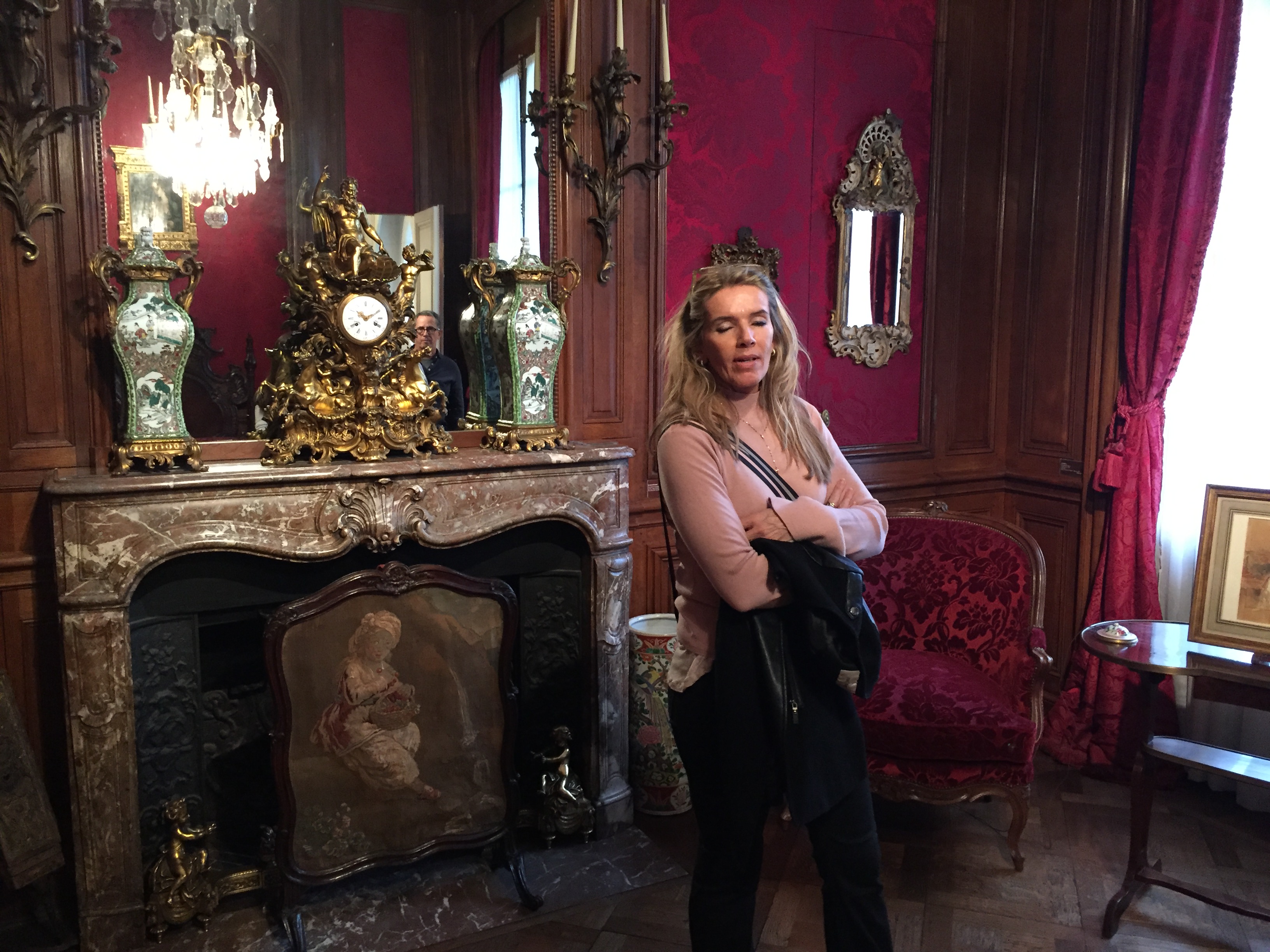
Ver todos sus espacios muestran el gusto de una de las familias emblemáticas de aquella época de Buenos Aires que no puede dejar de verse, siendo otro de los imperdibles de la capital porteña.
María Gracia Inzaurraga en Museo de Arte Decorativo
MUSEUM OF DECORATIVE ART: A LOOK AT THE GOLDEN AGE OF BUENOS AIRES
The National Museum of Decorative Art is one of those places where you can appreciate the Belle Epoque of Buenos Aires at the beginning of the 20th century.
In this palace located on Avenida del Libertador, this museum was created in 1937 after the acquisition, by the State, of the building that was the Errázuriz palace of Matías Errázuriz Ortúzar and his wife Josefina de Alvear.
Seeing all its spaces show the taste of one of the emblematic families of that time in Buenos Aires that cannot be missed, being another of the must-sees of the Buenos Aires capital.
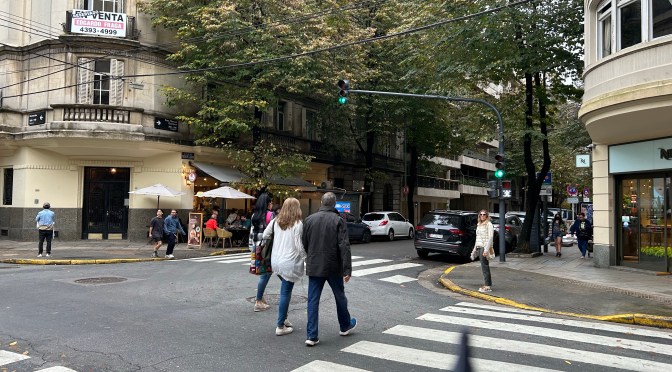
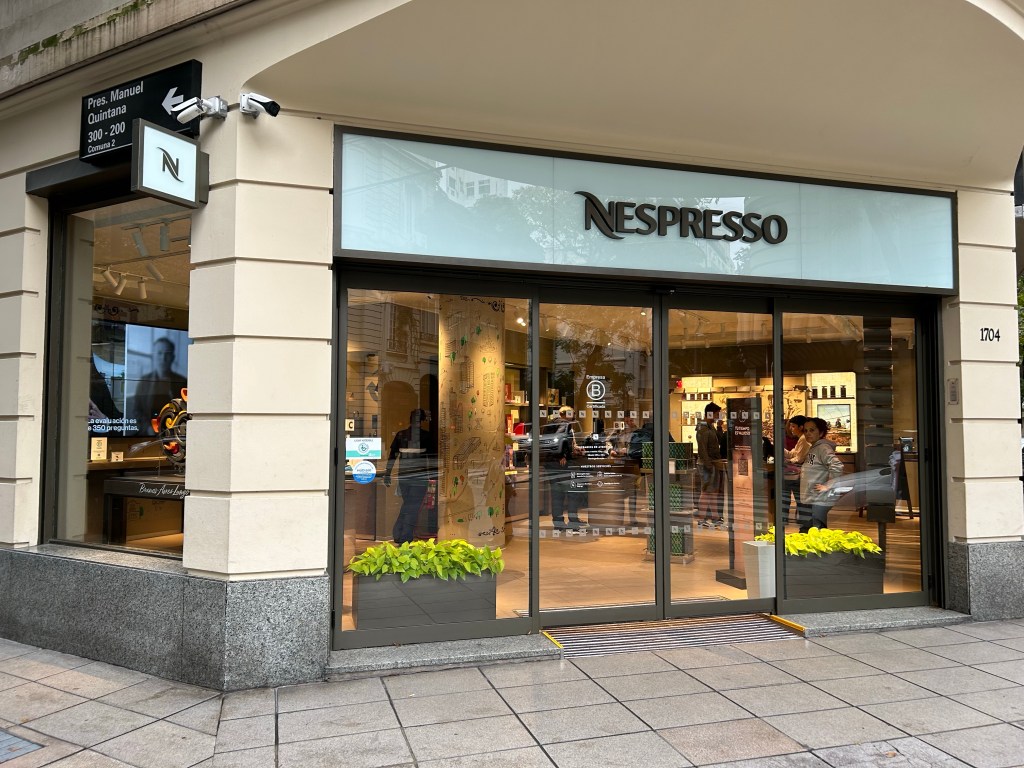
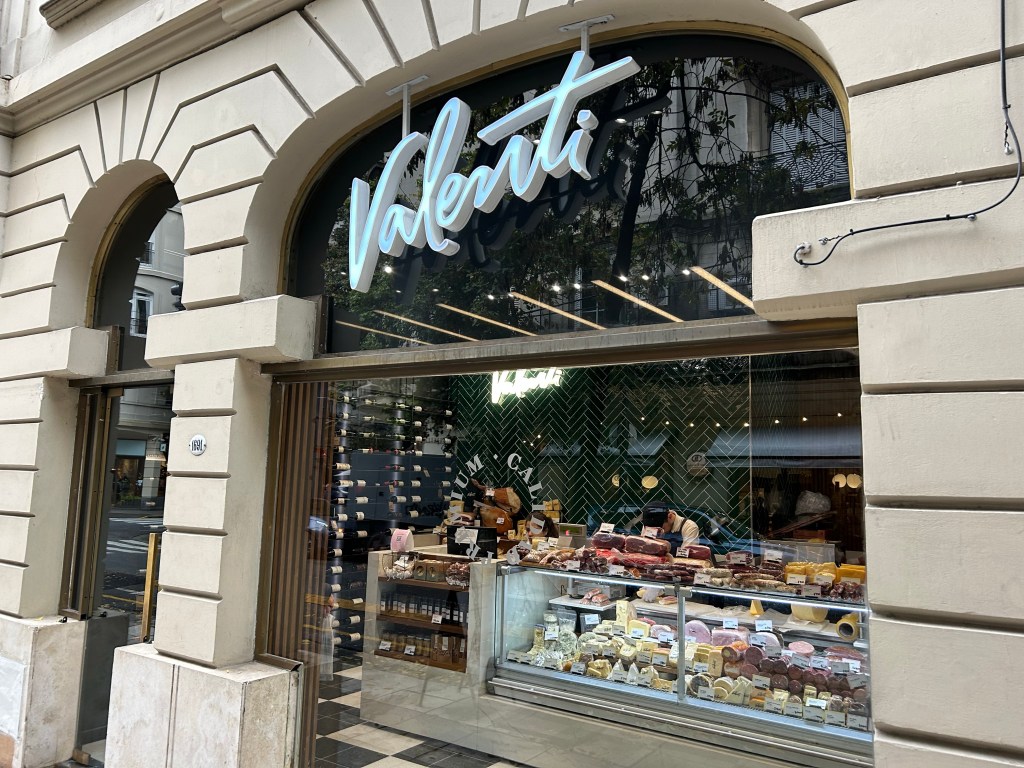
Pocas esquinas de la Recoleta tienen tantas opciones para desayunar, almorzar o tomar el té a la manera porteña, con la oportunidad de experimentar como lo hacen los vecinos de esa tradicional zona de Buenos Aires.
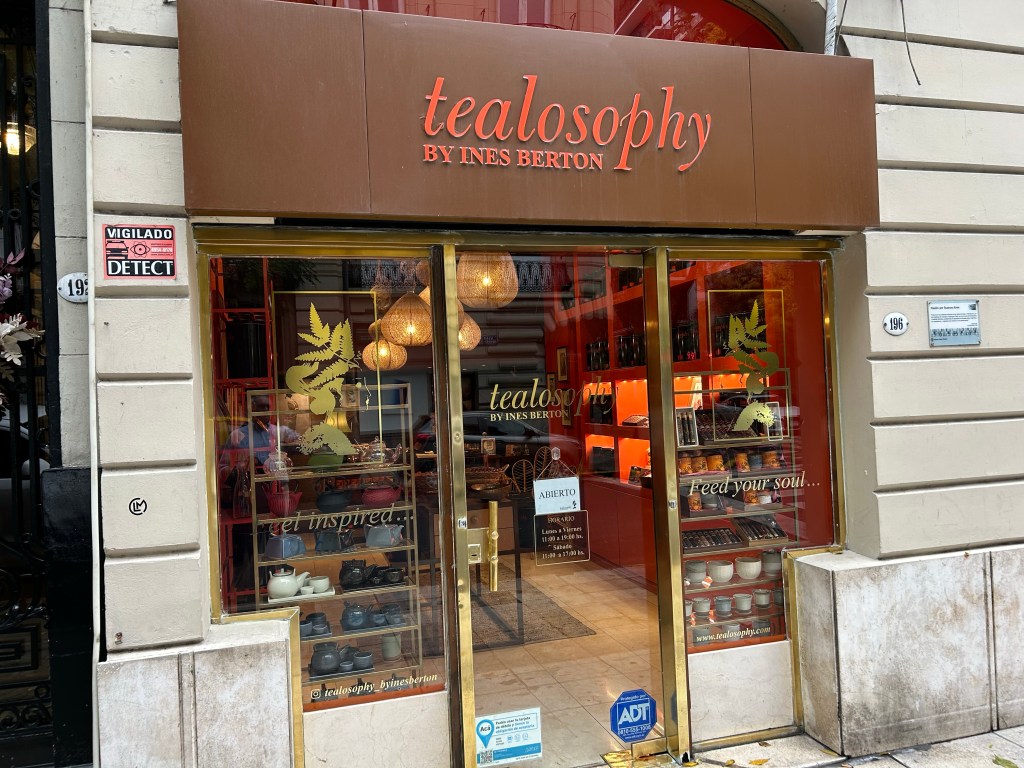
O elegir algo rico en Valenti, Tealosophy, Nesspresso o Violeta Massey entre otras opciones cercanas.
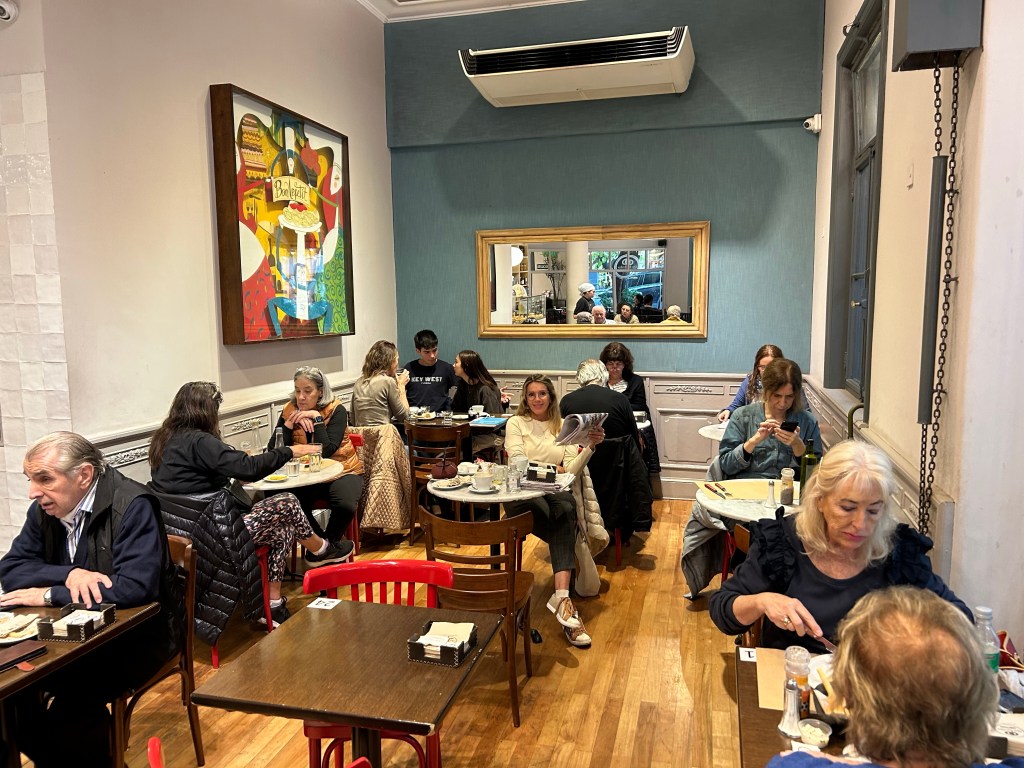
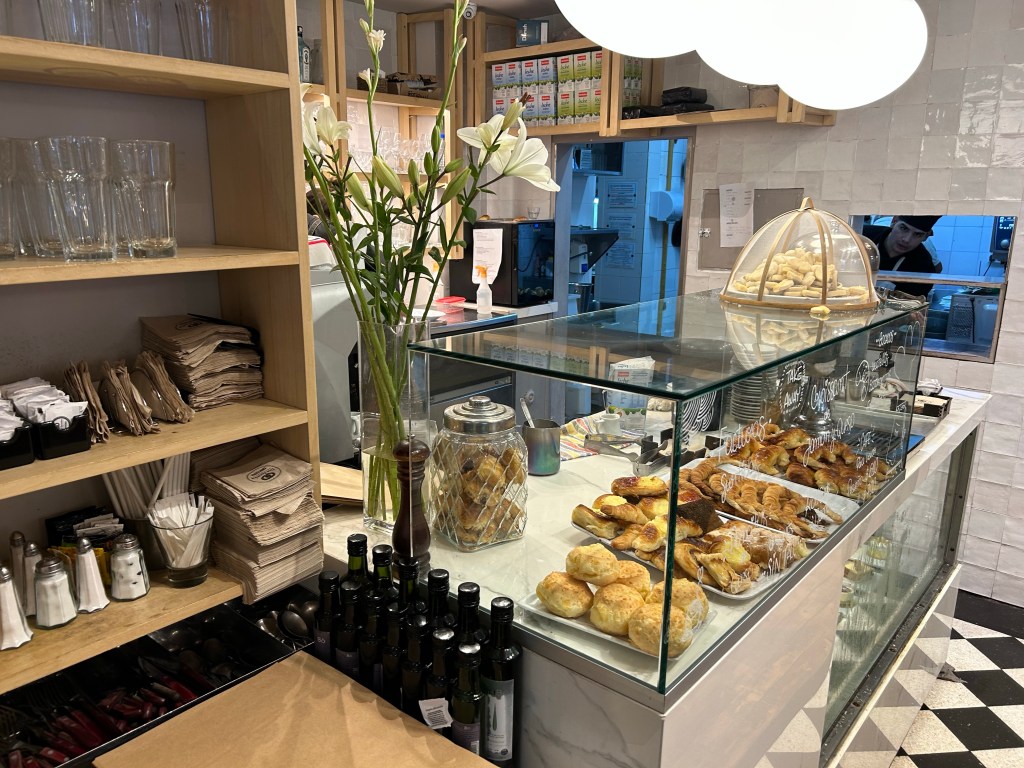
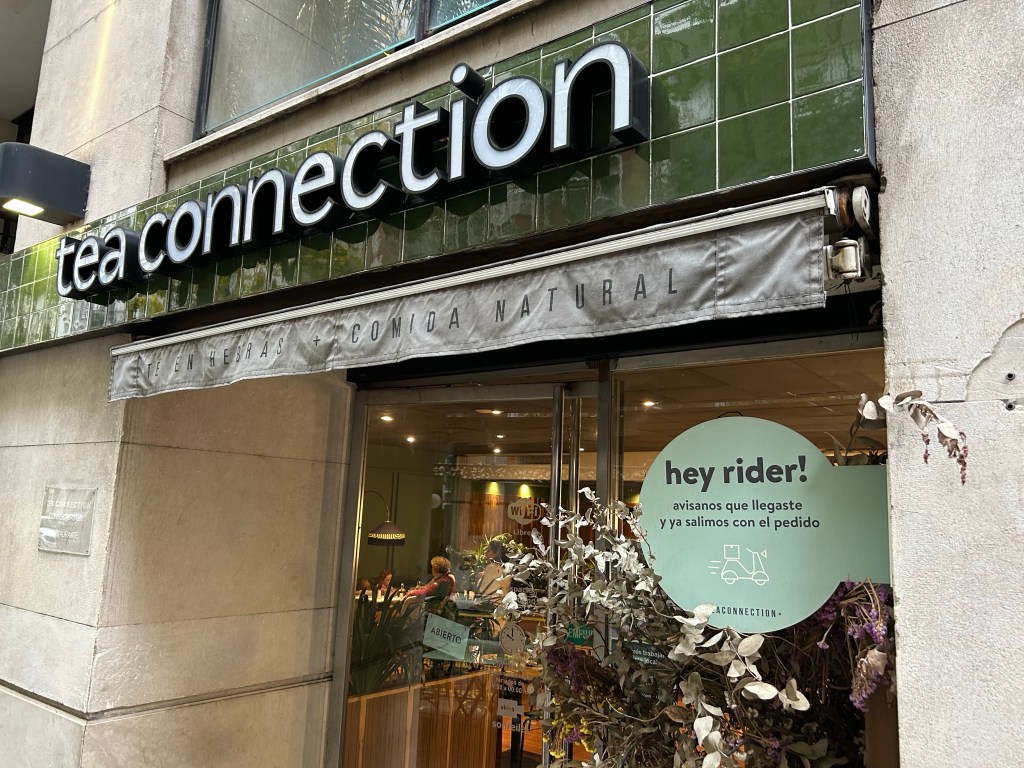
Desayunar leyendo en papel La Nación, Clarin o revistas como Noticias, tomarse un cafecito o tomar el té, de manera tranquila y sin los apuros de la vida tecnológica todavía es posible en las confiterías como Dos Escudos o Tea Connection.
Una esquina recomendable para vivir la Recoleta como un local.
Dos Escudos en Quintana y MontevideoLas delicias de Dos Escudos en Quintana y MontevideoTea Connection en Montevideo y QuintanaTealosophy en Quintana y MontevideoNespresso en Quintana y MontevideoValenti en Montevideo y Quintana
BA CORNERS: QUINTANA AND MONTEVIDEO
By Maria Gracia Inzaurraga
Few corners of Recoleta have so many options to have breakfast, lunch or tea in the Buenos Aires way, with the opportunity to experience how the residents of this traditional area of Buenos Aires do.
Or choose something delicious at Valenti, Tealosophy, Nesspresso or Violeta Massey among other nearby options. Having breakfast reading La Nación, Clarin or magazines such as Noticias on paper, having a coffee or tea, in a quiet way and without the hassles of technological life, is still possible in sweet shops like Dos Escudos or Tea Connection.
A recommended corner to experience Recoleta like a local.
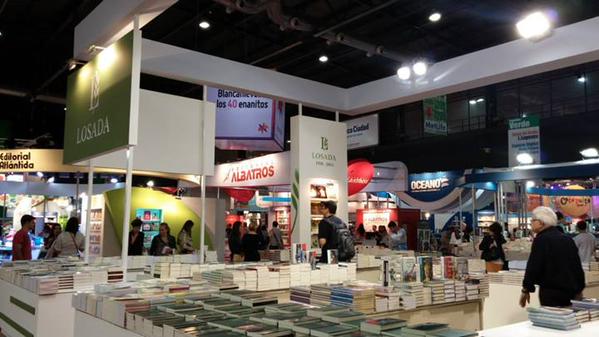
LA RURALes el principal predio ferial del país y uno de los grandes emblemas porteños, teniendo una ubicación privilegiada en el centro de Buenos Aires y con más de 12 hectáreas en la zona de Palermo, constituye sin duda un espacio único en su tipo.
Desde su creación, hace más de 135 años, haexperimentado un gran crecimiento, sobretodo con la construcción a fines de los noventa de los pabellones Ocre, Azul, Amarillo y Verde, se consolidó como el principal centro de ferias, exposiciones y eventos de la región.
El mejoramiento y redimensionamientos de sus instalaciones ha sido una constante acompañando el crecimiento de la actividad empresarial y cultural, con varias obras posteriores, de mejora y mantenimiento, destacándose en el año 2011 la terminación de la obra de colocación de piso articulado.
Tiene una imponente agenda de eventos para toda el año con actividades para todos los gustos y negocios.
LA RURAL is the main fairgrounds in the country and one of the great emblems of Buenos Aires, having a privileged location in the center of Buenos Aires and with more than 12 hectares in the Palermo area, it is undoubtedly a unique space of its kind.
Since its creation, more than 135 years ago, it has experienced tremendous growth, especially with the construction of the Ocher, Blue, Yellow and Green pavilions in the late 1990s, consolidating itself as the main center for fairs, exhibitions and events in the region. .
The improvement and resizing of its facilities has been a constant, accompanying the growth of business and cultural activity, with several subsequent improvement and maintenance works, highlighting in 2011 the completion of the articulated floor placement work.
It has an impressive calendar of events for the whole year with activities for all tastes and businesses.
Turismo, diversión, cultura y entretenimiento en Buenos Aires














 QUE HACER EN BA