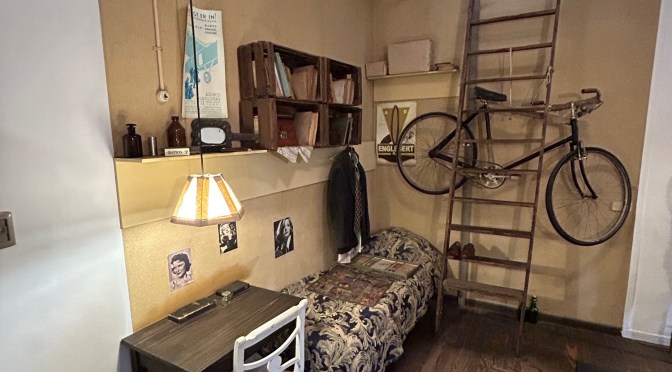
Por María Gracia Inzaurraga
Centro Ana Frank BA
“El diario muestra la inmensa tragedia del Holocausto, el desperdicio de vidas y talentos humanos, y el precio que hubo que pagar debido a que los pueblos libres no actuaron a tiempo para reprimir los grupos totalitarios.
Yahuda Lev
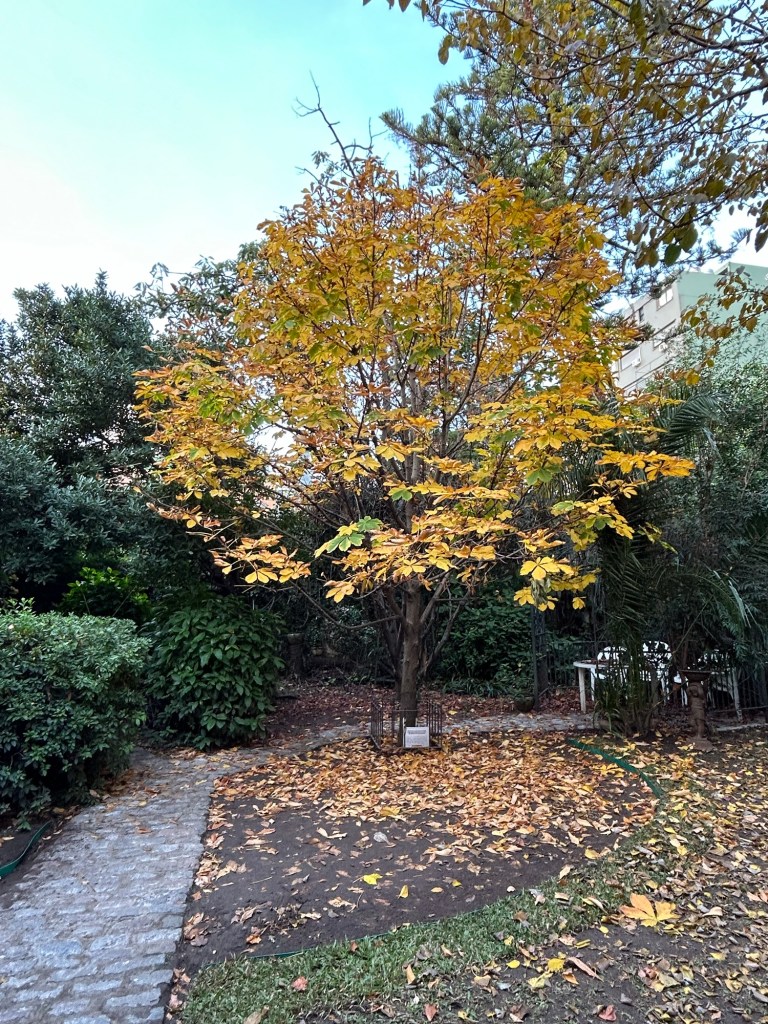
El número 263 de la calle Prinsengracht, es quizá la dirección más conocida en la historia de Àmsterdam, desde la ocupación nazi hasta hoy.
Correspondía a la fábrica propiedad de Otto Frank y apodada “la casa de atrás” por el nexo secreto acondicionado para sus ocupantes.
Con la persecución nazi, la casa fue el escondite secreto de Ana Frank, su familia y otras cuatro personas que durante dos años debieron compartir un espacio ínfimo y el mismo terror a ser descubiertos.
A meses de terminar la guerra la suerte no los acompañó y fueron denunciados el 4 de agosto de 1944 y enviados a campos de concentración.
Ana Frank contó su calvario en su ya famoso diario íntimo que luego de la guerra fue rescatado, devuelto a su padre y finalmente convertido en símbolo del Holocausto con 30 millones de ejemplares vendidos.
Esta es una muestra emotiva y singular porque es guiada por chicos de la misma edad que tenía Ana como una forma de trasmitir y ponernos en la piel de Ana.
Muy buena y muy emotiva.
Centro Ana Frank
Buenos Aires – Argentina
Superi 2647
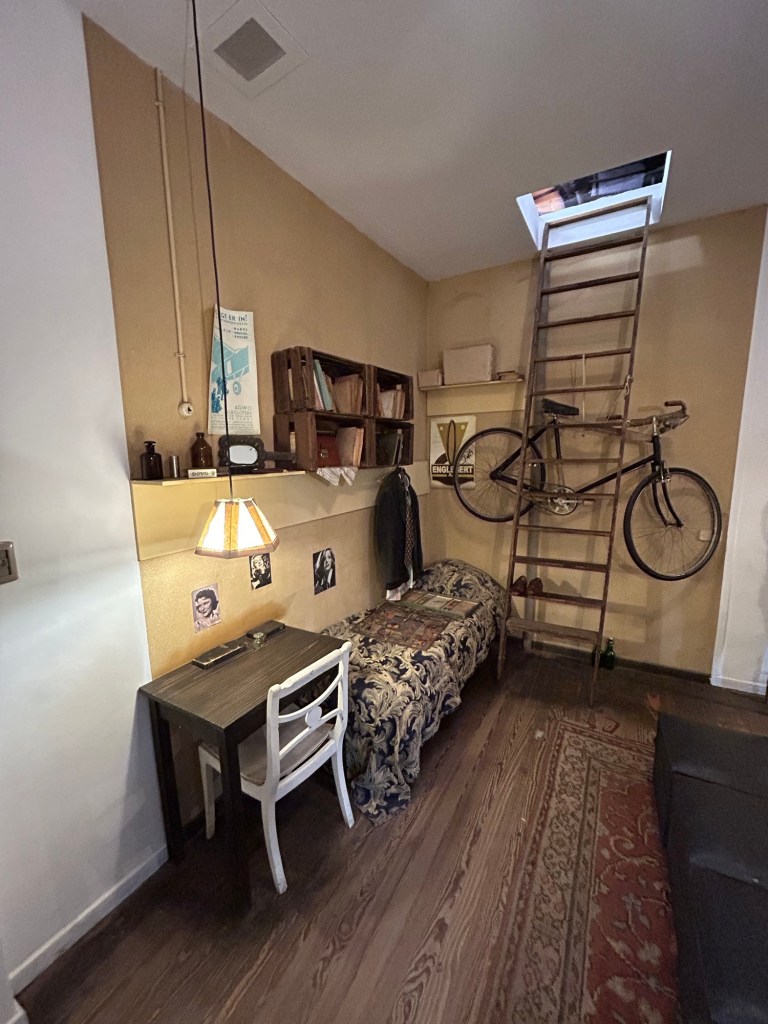
ANA FRANK CENTER BUENOS AIRES
By María Gracia Inzaurraga
Anne Frank Center BA
“The diary shows the immense tragedy of the Holocaust, the waste of human lives and talents, and the price that had to be paid because free peoples did not act in time to repress totalitarian groups.”
Yahuda Lev Anne
Number 263 Prinsengracht Street is perhaps the best-known address in the history of Amsterdam, from the Nazi occupation until today.
It corresponded to the factory owned by Otto Frank and nicknamed “the back house” because of the secret nexus set up for its occupants.
With the Nazi persecution, the house was the secret hiding place of Anne Frank, her family and four other people who for two years had to share a tiny space and the same terror of being discovered.
Months after the end of the war, luck was not on their side and they were denounced on August 4, 1944 and sent to concentration camps.
Anne Frank recounted her ordeal in her now famous intimate diary, which after the war was rescued, returned to her father and finally became a symbol of the Holocaust with 30 million copies sold.
This is an emotional and unique exhibition because it is guided by children of the same age as Ana as a way of transmitting and putting ourselves in Ana’s shoes.
Very good and very emotional.
Anne Frank Center
Buenos Aires, Argentina
Superi 2647
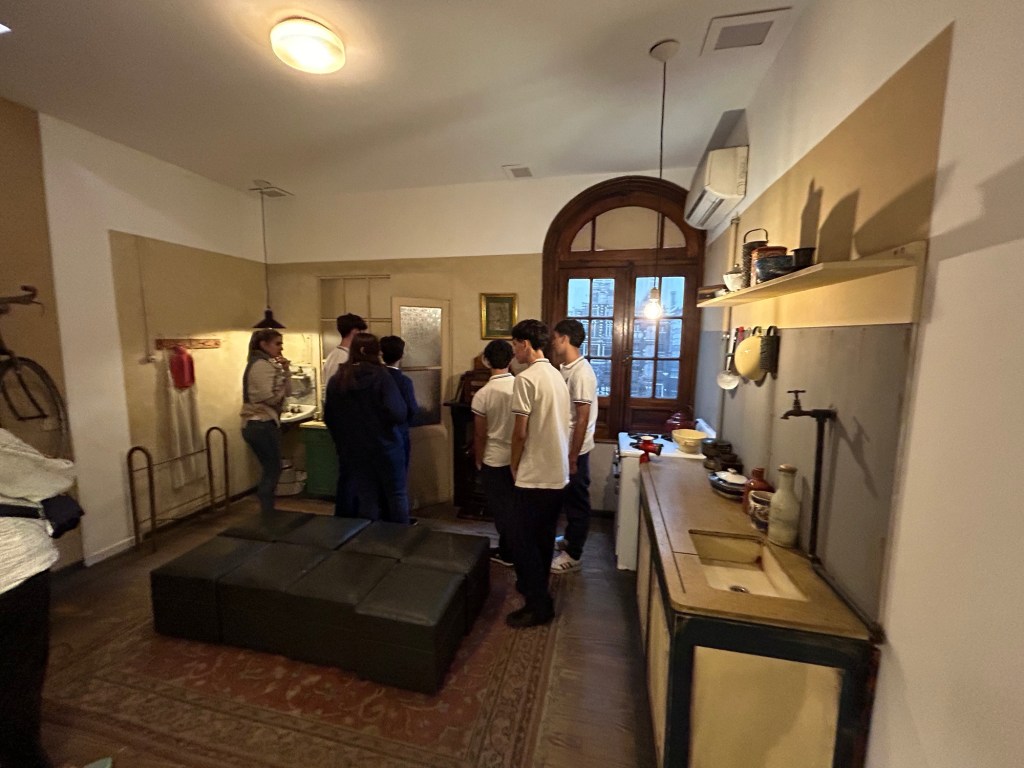
Centro Ana Frank en Buenos Aires – Foto María Gracia Inzaurraga
 QUE HACER EN BA